
- Sea Otter Behavior and Tool Use
- Importance of Diet in Sea Otters
- The Role of Enrichment in Captive Care
- Conservation Efforts for Sea Otters
- Insights into Otter Pup Development
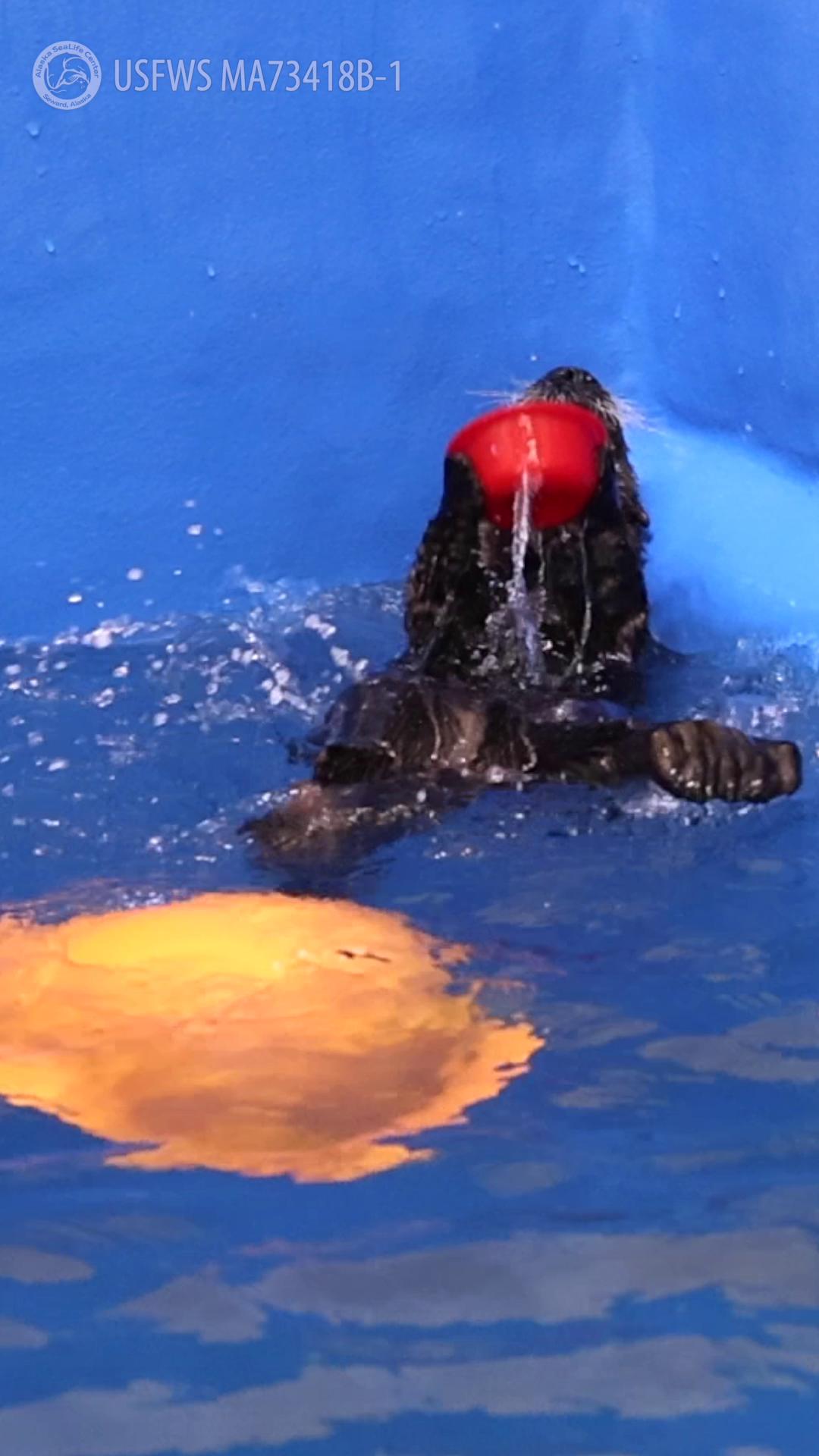
Sea otters exhibit fascinating behaviors that highlight their unique adaptations for survival. They have become renowned for their innovative use of tools, which sets them apart from many other mammals. This article focuses on Cali, a sea otter pup, and how her interaction with a frozen clam in an otter-safe bowl showcases these behaviors. Engaging in such activities is not only entertaining; it serves as a crucial demonstration of how these pups develop their skills in a safe environment.
Sea otters utilize tools skillfully, with their diet primarily consisting of marine invertebrates. They often use rocks to crack open hard-shelled prey like sea urchins and clams. In Cali’s case, the frozen clam provides both a source of nutrition and a fun challenge. Watching her manipulate the bowl reflects a natural inclination toward problem-solving. By trying to pry the clam from the ice using her paws and the bowl, Cali exhibits behaviors indicative of intelligence and learning.
The importance of diet in a sea otter’s life cannot be overstated. As a top predator in coastal marine ecosystems, sea otters play a vital role in maintaining the balance of these environments. A diverse diet not only meets their nutritional needs but also supports ecological health. In the wild, they may consume upwards of 25% of their body weight in food each day, which showcases their high metabolic demands. For Cali, this frozen clam serves as an excellent nutritional source, rich in protein and other essential nutrients critical for her growth.
In captive settings, enrichment activities like this are essential for the well-being of sea otters. Enrichment refers to various strategies employed by zookeepers to promote natural behaviors and mental stimulation. This can include providing new challenges, toys, or food items that require problem-solving skills. The otter-safe bowl allows Cali to explore her environment, encouraging her to think critically about how to access her frozen treat. These types of enriching experiences are fundamental for young otters, as they help foster their natural instincts and build confidence.
Conservation efforts focused on sea otters are vital to the species’ survival. Once on the brink of extinction due to fur trade and environmental changes, today, their populations are rebounding, mainly in protected areas along the Pacific coast. However, they still face numerous threats, including habitat loss, oil spills, and climate change. Engaging the public in sea otter conservation is crucial for sustaining their populations. Organizations often conduct educational programs to highlight the importance of these animals in marine ecosystems. As viewers watch Cali enjoy her clam, they are likely to gain a greater appreciation for her species, fueling interest in conservation measures.
Cali’s development as an otter pup is an exciting observation in the broader context of sea otter behavior. Young otters stay with their mothers for up to a year as they learn vital survival skills, including foraging and tool use. These formative months are essential for their survival in the wild. Mothers often teach their pups how to crack open shells, a skill that Cali is already beginning to demonstrate with her bowl and clam. Watching Cali work through this challenge offers insightful glimpses into the learning processes that occur in families of sea otters.
The bond between mother otters and their pups forms the basis of their social structure. Mothers not only teach their young how to find food, but they also instill essential social behaviors that ensure successful integration into otter populations. Cali’s interaction with her frozen clam can be viewed as a small but meaningful step in her journey toward adulthood. This early form of learning will serve her well as she encounters more complex challenges in the future.
Sea otters are also known for their playful behavior, which plays an essential role in their social and physical development. While eating can be serious business, otters often engage in fun activities that strengthen social bonds. Cali’s playtime with her bowl highlights the significance of fun in learning. Through play, otters develop their motor skills, spatial awareness, and social interactions, all vital for thriving in their natural habitats.
Factors affecting the well-being of sea otters in captivity involve not just their immediate physical care but also the intricacies of their behavior and natural instincts. Facilities that prioritize the physical fitness and emotional health of their animals create more enriching environments. Enclosures that replicate the natural habitat, complete with water and materials for foraging, foster more significant behavioral expression.
One key aspect of sea otter care involves regular nutrition assessments to ensure they are meeting dietary needs. Proper diet management in a zoo setting can include fresh seafood and necessary supplements, but providing enrichment like frozen clams enhances the overall feeding experience. Observation of how sea otters engage with enrichment items like these offers critical insights into their preferences and behavioral tendencies.
While Cali is a representation of hope for the future of sea otters, ongoing conservation challenges must not be overlooked. Despite recovering numbers in certain areas, factors like pollution and human encroachment continue to threaten their habitats. Raising awareness through education and responsible wildlife management practices is essential for the preservation of this species and its environment. Educational programs and partnerships with local communities can help to promote coexistence and sustainable practices that benefit both sea otters and their ecosystems.
Viewing Cali’s interaction with the frozen clam and her otter-safe bowl invites audiences into the intimate world of young sea otters. These moments of curiosity and exploration not only instill joy but also serve to educate viewers about the importance of sea otters as marine mammals. With engagement comes responsibility; as we appreciate the complexities of their lives, the need to act becomes clear.
As viewers become fascinated by Cali’s antics, they may also be inspired to support broader conservation efforts. Understanding the significance of species like the sea otter fosters a sense of stewardship for our oceans. Those inspired by Cali’s playful personality and intelligence can take actionable steps in their communities, such as participating in beach cleanups or advocating for sustainable seafood practices.
In addition, collaborative research efforts aimed at understanding the health and population dynamics of sea otters contribute valuable data to conservation strategies. Researchers are continually studying population movements, environmental threats, and genetic diversity to craft informed management practices. By investing in university and wildlife collaborations, researchers can gather the necessary scientific information to support the delicate balance of marine ecosystems where sea otters play an integral role.
Cali, the sea otter pup, showcases the charm and fascinating behavior of her species. She exemplifies how animals can engage audiences while highlighting the ongoing need for wildlife conservation. As she explores her surroundings, including her frozen clam and otter-safe bowl, she provides a look into the essential behaviors that define sea otters.
Caring for sea otters in rehabilitation centers or zoos nurtures the scientific understanding of these remarkable creatures. Visitors engage with the natural world through such experiences, fostering a connection between humans and wildlife. The more we learn about animals like Cali, the better equipped we become to advocate for their survival.
Her journey tells a larger story. The actions taken to preserve sea otter habitats, prioritize their health, and understand their behavior will define their future in the wild. As the balance of our underwater ecosystems shifts, it is crucial that observers become advocates, promoting practices that protect not only sea otters but also the intricate web of marine life they represent. By watching Cali and learning from her antics, we can all play a part in ensuring that future generations can enjoy the playful spirit of sea otters for years to come.
*****
Source Description
Frozen clam in an otter safe bowl makes great enlightenment for Cali the sea otter pup!
Sea otters are one of the few known animals to use tools, and Cali is showing a bit of those instincts off here. Watch as she works her way to getting the ice treat out of the bowl, then uses the bowl to try to break apart the ice.
