
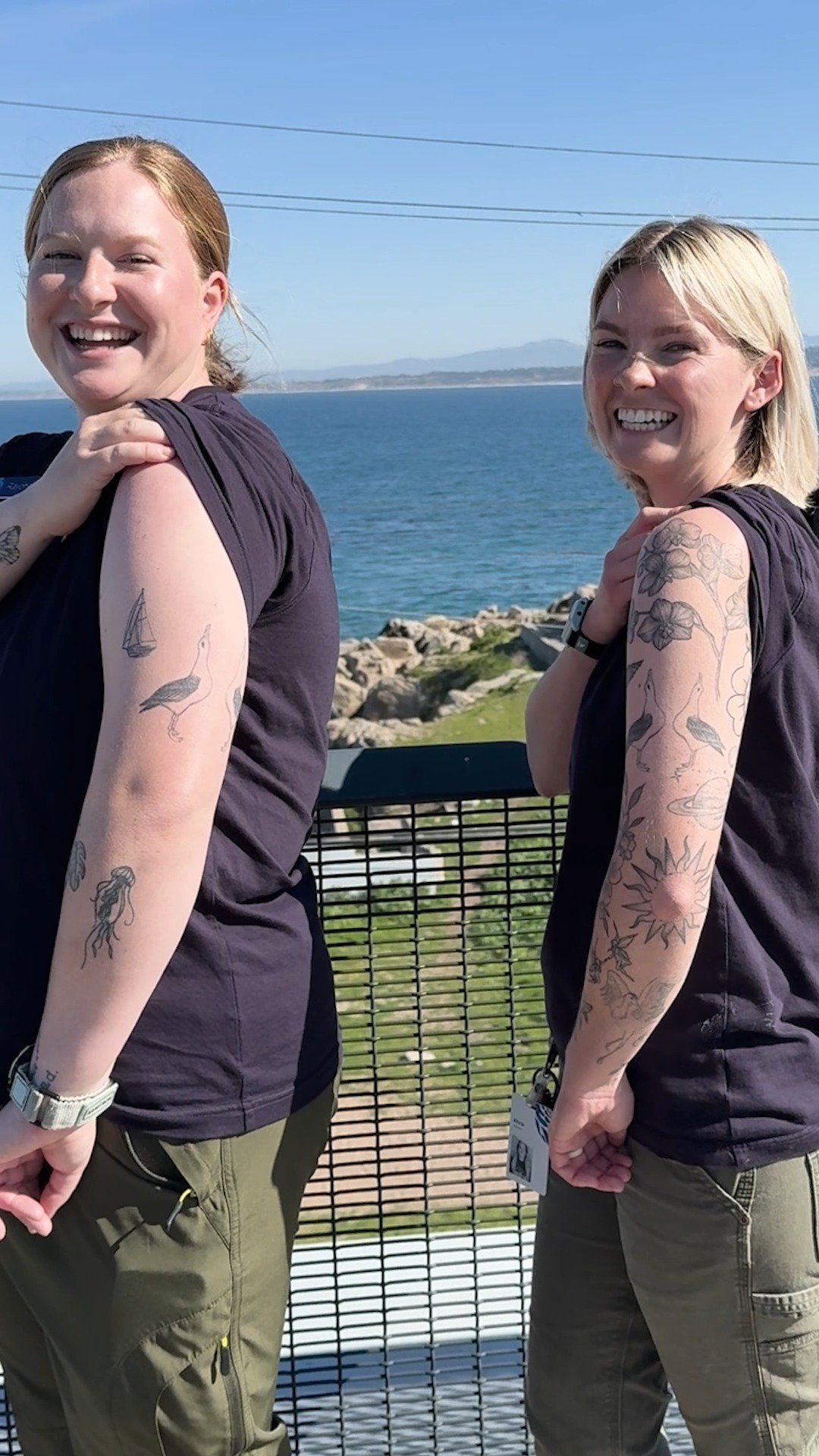
- The significance of tattoos in wildlife conservation
- An overview of Laysan albatross biology and behavior
- The roles Raychel and Alivia play as aviculturists
- The importance of community engagement in marine conservation
- Ways to contribute to the conservation of marine animals
Tattoos can serve as profound symbols of personal commitment and inspiration. For Raychel and Alivia, their matching tattoos of Laysan albatross represent more than body art; they signify a deep connection to the magnificent birds they care for daily. This decision underscores the convergence of passion for wildlife and the art of ink; it showcases how personal experiences and professional responsibilities can intertwine in meaningful ways.
The Laysan albatross (Phoebastria immutabilis) is a remarkable seabird found primarily in the North Pacific. With a wingspan that can exceed six feet, these birds are known for their incredible ability to soar long distances over the ocean. They can travel thousands of miles in search of food, primarily consisting of squid and fish, using a technique known as dynamic soaring. This method allows them to exploit the wind currents effectively, minimizing energy expenditure. Knowledge of their biology and behavior underscores the importance of protecting their habitats.
Raychel and Alivia, dedicated aviculturists, play vital roles in caring for two non-releasable Laysan albatross named Makana and Alika. Their daily tasks include feeding, monitoring health, and fostering an environment that allows these birds to thrive, even if they cannot return to the wild. The decision to get matching tattoos goes beyond mere aesthetics; it is a permanent tribute to the dedication and love they share for these magnificent creatures. Such acts reinforce the bond between humans and wildlife, generating awareness about the needs of these unique species.
Community involvement is crucial in marine conservation efforts. By connecting people to the animals they admire, organizations can foster support for initiatives aimed at preserving habitats and reducing threats such as pollution and climate change. Raychel, Alivia, and their colleagues are instrumental in inspiring visitors to engage with marine life and to understand their ecological significance. They provide educational programs and events that highlight the beauty and fragility of ocean ecosystems.
The plight of the Laysan albatross exemplifies broader issues faced by numerous marine species. These birds are vulnerable to various threats, primarily from plastic pollution. They often mistake plastic debris for food, resulting in ingestion that can lead to starvation or death. Climate change is another pressing factor, as rising sea levels and changing weather patterns affect breeding habits and nesting sites. Addressing these challenges requires collective action and a thorough understanding of ecological systems, further emphasizing the necessity of zoological institutions and dedicated staff like Raychel and Alivia.
For those interested in making a difference, there are many ways to support marine conservation. Simple actions such as reducing single-use plastics, participating in beach clean-ups, and advocating for clean oceans can significantly impact the health of marine ecosystems. Educational initiatives at zoos and aquariums like the one where Makana and Alika reside foster awareness and motivate action among visitors.
The tattoos that Raychel and Alivia chose serve as reminders of their commitment to their work and the messages they wish to convey. Tattoos have historically been used across various cultures as symbols of identity, belonging, and personal stories. For many, they are a means of expressing devotion, whether to individual passions or broader causes. By selecting the Laysan albatross as a symbol, they align their personal commitments with their professional responsibilities.
The story of the Laysan albatross is a narrative filled with triumph and hardship. These birds are remarkable not only for their physical attributes but for their intricate social and reproductive behaviors. Albatrosses are monogamous and tend to mate for life, forming strong bonds with their partners. They have unique courtship displays that involve elaborate dances in the air, emphasizing the importance of successful mating rituals for the continuation of their species.
The magnificence of Makana and Alika also symbolizes the power of interspecies connection. While Alika prefers a quieter life behind the scenes, Makana often delights visitors by hopping on her cart during educational programs at the Kelp Forest exhibit. Both birds illustrate the diverse personalities of wildlife and the essential role zoo staff plays in their care. Engaging with the public amplifies the message of conservation, showcasing individual stories that lead to collective understanding.
Community engagement in wildlife conservation cannot be understated. By fostering relationships among individuals passionate about protecting the environment, organizations can amplify their messaging. This alliance promotes both active participation and education, enhancing public understanding of conservation biology and ecology. Events that highlight the significance of ocean conservation resonate with audiences and catalyze behavioral changes on both individual and community levels.
A committed group of people, including aviculturists, researchers, and marine conservationists, are dedicated to ensuring the survival of species like the Laysan albatross. Their work not only preserves individual animals but also contributes to a larger mission of environmental stewardship. By teaching others about ecosystem interdependence and highlighting individual animal stories, they lay the groundwork for future generations to appreciate and protect marine life.
Unlike many stereotypical images of conservation, the message surrounding the care of albatrosses is filled with hope and action. Engaging community members stimulates curiosity and fosters a sense of responsibility toward the environment. Shared moments like those between Raychel and Alivia, along with their tattoos, encapsulate the spirit of unity and collective action driving marine conservation efforts today.
In essence, tattoos can be a avenue for storytelling across diverse experiences. As Raychel and Alivia showcase their shared passion for the Laysan albatross, they also advocate for a transformative approach to marine conservation. Their personal choices resonate widely, encouraging broader engagement in ocean welfare. This consciousness raises awareness about the threats faced by marine species and highlights the importance of community in addressing these challenges.
Consider how you can get involved. Every small action counts. Spreading awareness through social media, engaging in educational programs, or volunteering for conservation initiatives can contribute substantially. By forming networks based on shared values, individuals can collectively advocate for the health of our oceans.
The magnificence of albatrosses extends beyond their presence in the wild. Their stories weave through communities, cultures, and conservation efforts. In a world filled with ongoing environmental challenges, the commitment demonstrated by individuals like Raychel and Alivia serves as a beacon of hope.
Through both personal and professional endeavors, we can contribute to the narrative of marine conservation. Education is a powerful tool. Armed with knowledge, individuals can inspire others to act, forming a wave of change that encompasses empathy for all living beings. The intertwining stories of humans and wildlife create an environment of responsibility and care, highlighting the intricate balance necessary for the survival of species like the Laysan albatross.
Raising awareness through tattoos, educational programs, and community engagement demonstrates the potential for harmonizing personal and professional commitments. In the case of Raychel and Alivia, their dedication exemplifies how individual passions can intersect powerfully with conservation efforts.
Continuous efforts from all angles can pave the way toward enhanced understanding and action for ocean health. Encourage friends to join in advocacy, participate in education outreach, or simply take a moment to learn more about the Laysan albatross and similar species. The inked symbols of dedication serve as lasting reminders of the connection between human actions and the health of our planet’s oceans. Together, we can make waves, promoting change that resonates across species and generations.
*****
Source Description
Birds of a feather get inked together! 🪶🤍
Raychel and Alivia have a lot in common with Makana and Alika, our pair of non-releasable Laysan albatross. 👯♀️ The two aviculturists decided to get matching tattoos of the magnificent birds they care for.
You may be lucky enough to meet feathered and fabulous Makana when she chooses to hop on her cart and put on a special program at our Kelp Forest exhibit.
Alika’s more reserved and prefers a quiet life behind the scenes, but rest assured, she’s in the best company with her dedicated care team.
Thank you, Raychel, Alivia, and all our aviculturists for the ink-redible work you do! 👏👏👏
This join our staff and wider community of ocean lovers who are curious, hopeful, making waves for our blue planet. 🌊🌍
🕊️ Flutter over to the link in our bio for simple and meaningful ways you can make a difference for Laysan albatross and other precious marine animals! There’s wonder in ocean life and caring for it helps us all.
Artist: @amberlanetattoos
