
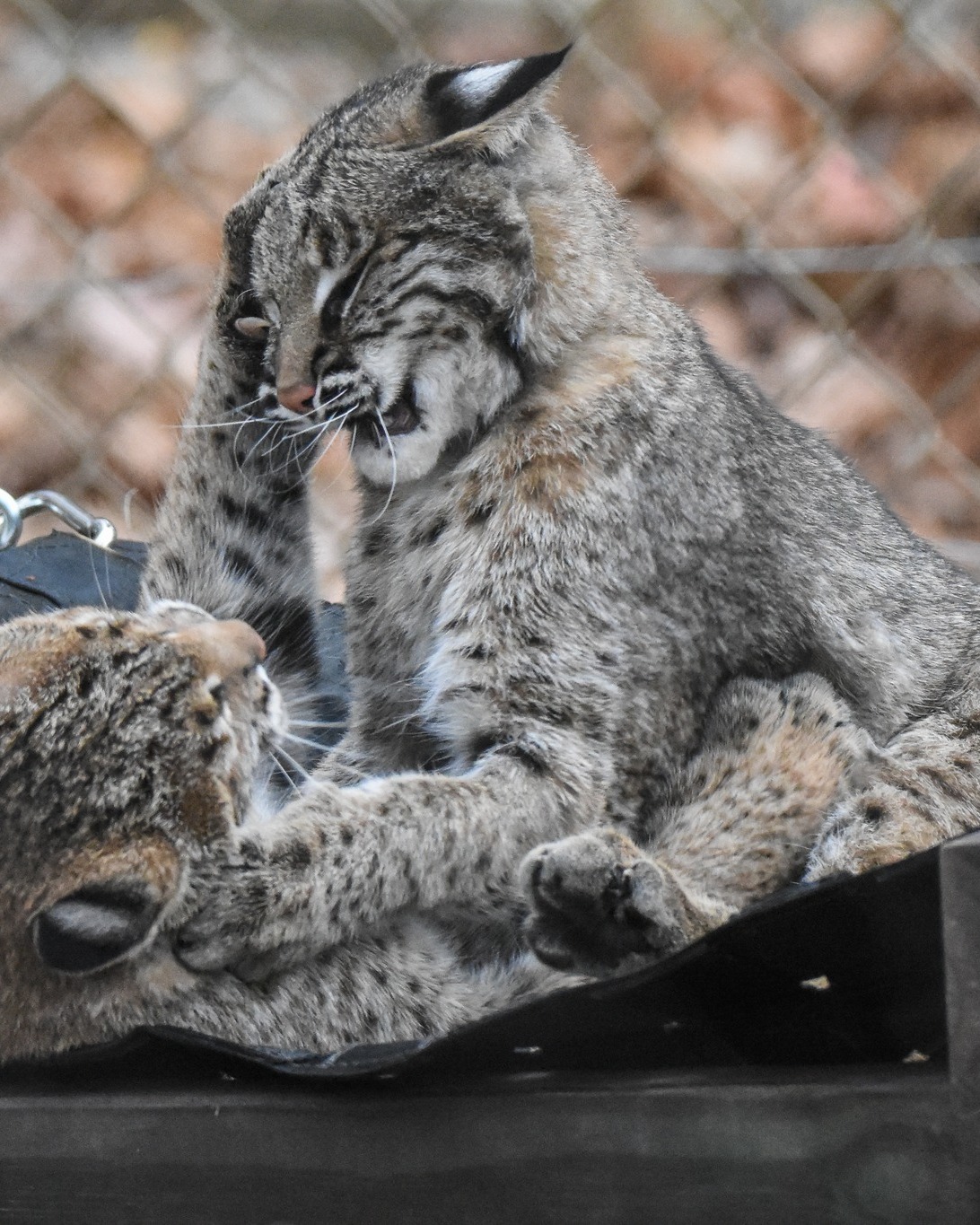
- The significance of wildlife education for children
- Insights into the role of animal keepers in zoos
- The impact of programs like Jr. Wild Walk on conservation efforts
- Engaging children in wildlife conservation and animal care
- Practical information for attending the Jr. Wild Walk
Wildlife education serves as a cornerstone of effective conservation. Programs like Saturday’s Jr. Wild Walk provide young participants with enriching experiences that foster an appreciation for animals and their habitats. Children ages 5 to 12 can discover the intricacies of animal care while learning about the vital role zoos play in global conservation efforts. Participating in activities gets kids excited about the animal kingdom, sparking curiosity and fostering empathy for the living beings they encounter.
Animal keepers play a vital role within the zoo ecosystem. They are charged with the daily care of animals, which includes not only feeding and maintenance but also health monitoring and enrichment activities. These professionals possess extensive knowledge of animal behavior, nutritional needs, and habitat requirements. They often tailor the care of each species to better meet the specific needs of that animal, enhancing their quality of life. During the Jr. Wild Walk, children will gain firsthand insight into what it means to be an animal keeper. They will learn about the unique characteristics of various species and how best to care for them. This hands-on experience is invaluable, as it allows young minds to grasp complex biological concepts in a fun and interactive setting.
The Jr. Wild Walk also plays an essential role in fostering a conservation mindset. The prevalence of environmental issues, like habitat destruction and climate change, has made it imperative to cultivate support for wildlife preservation. Engaging children in discussions about conservation during events like this emphasizes their capacity to make a difference. They learn about local ecosystems, endangered species, and how human actions impact animal habitats. These lessons lay the groundwork for a life-long commitment to sustainability.
Programs that connect children with wildlife can transform young observers into future advocates for animal welfare. Children participating in the Jr. Wild Walk are encouraged to think critically and express their feelings about the importance of animal conservation. This nurtures future leaders in environmental stewardship. Engaging the next generation in such a manner will create a ripple effect, as children share their newfound knowledge with family and friends. This collective effort can empower communities and inspire civic action related to wildlife protection.
For those interested in attending the Jr. Wild Walk, obtaining tickets is easily done online at www.wildwnc.org/calendar. Families planning to participate should note specific logistics regarding the event. Adult supervision is required for all participants, allowing for meaningful parental involvement that enriches the experience. This not only enhances learning but also promotes bonding through shared exploration of nature and wildlife.
Parents are encouraged to prepare their children by discussing the activities involved. A brief overview of what to expect can help ease any first-day jitters. Kids might wonder about the types of animals they will encounter and the activities they will partake in. Knowing that they will get to explore animal enclosures and participate in educational games can heighten excitement and anticipation.
Hands-on learning experiences are particularly effective in instilling a love for wildlife. The Jr. Wild Walk will include activities such as interactive demonstrations, nature crafts, and guided tours of animal habitats. These experiences are all structured to educate while keeping enjoyment at the forefront. By approaching wildlife education in this manner, young learners build lasting memories alongside crucial insights into conservation efforts.
In order to maximize the educational impact of the Jr. Wild Walk, consider discussing wildlife conservation beforehand. Children can learn how zoos assist endangered animals through breeding programs and habitat restoration. This provides a broader context for their experience. By understanding the challenges faced by wildlife, kids can appreciate the importance of conservation initiatives even more.
Moreover, storytelling can be a powerful tool in wildlife education. Discussing real-life success stories about species recovery and the efforts of animal keepers can inspire enthusiasm in children. Bringing attention to engaging anecdotes can captivate their imaginations and foster a connection to the subject matter. For example, sharing stories about endangered species being brought back from the brink could ignite a passion for animals and conservation within them.
The Jr. Wild Walk embodies a proactive approach to wildlife education. Through immersive activities, kids can connect the dots between animal care and conservation in a meaningful way. They experience firsthand the dedication required to protect wildlife populations and their habitats. This empowers them to become informed advocates for wildlife and the environment.
Another fundamental aspect of the Jr. Wild Walk is the integration of scientific principles into the activities. Understanding animal biology, ecosystems, and biodiversity are essential components of wildlife education. Workshops may include lessons about food chains, animal classification, and the interdependence of species within ecosystems. This conveys a holistic view of nature and how each organism plays a pivotal role.
In addition to formal education, the event strives to keep research and conservation at its core. Children may learn about ongoing projects related to species protection, habitat maintenance, and ecological restoration. Showcasing how scientists and zookeepers work together to devise effective conservation strategies can encourage children to look further into the field of zoology and related sciences.
Conversing about current environmental challenges can initiate thoughtful discussions between children and adults. This creates a balanced learning environment where the young can express their thoughts and opinions. Facilitated conversations about animal welfare, climate change, and habitat loss will engage their critical thinking abilities. Ultimately, such exchanges help solidify their understanding of these vital topics.
As a family-oriented program, the Jr. Wild Walk provides an excellent opportunity for parents and children to interact in a unique setting. It inspires collaboration and teamwork, facilitating opportunities for dialogues about nature and wildlife at home. Promoting these discussions can deepen children’s understanding of complex ecological issues while encouraging them to adopt eco-friendly practices.
Wildlife conservation is an ongoing effort requiring collective action. Programs like the Jr. Wild Walk highlight how crucial it is to instill awareness in young people. When they feel connected to wildlife, children are more likely to champion initiatives aimed at protecting endangered species in various capacities.
During the event, numerous educational materials will be available. Worksheets, brochures, and interactive displays can further extend learning beyond the immediate experience. These resources serve as tools for children to continue exploring wildlife themes at home. They can share their newfound knowledge with peers or initiate projects in school, further fostering a culture of conservation within their communities.
The experience of attending the Jr. Wild Walk is enriched by its interactive components. The abilities to ask questions, engage in discussions, and handle animal artifacts create a multi-sensory learning environment. Kids are more likely to remember information when it is presented in diverse formats, enhancing retention and understanding.
Ultimately, engaging children in wildlife education fosters empathy and responsibility for the environment. The Jr. Wild Walk exemplifies how such programs can shape young minds and cultivate an appreciation for the planet and its inhabitants. As children learn today, they will be better equipped to tackle tomorrow’s conservation challenges.
Wildlife education is essential in prepping future generations for environmental advocacy. Programs like Jr. Wild Walk make strides toward that goal, teaching young minds the value of wildlife. By merging fun and education, they create lasting relationships between children and nature. Booking a visit through the website ensures participation in this one-of-a-kind event that holds the potential to make a real difference.
*****
Source Description
🐾Let’s go WILD this weekend!
Sign up for Saturday’s Jr. Wild Walk. Kids get to step into the shoes of an animal keeper and discover behind-the-scenes secrets in this fun and educational program. Ages 5–12 with adult present.
🎟Get your tickets online today at www.wildwnc.org/calendar
