
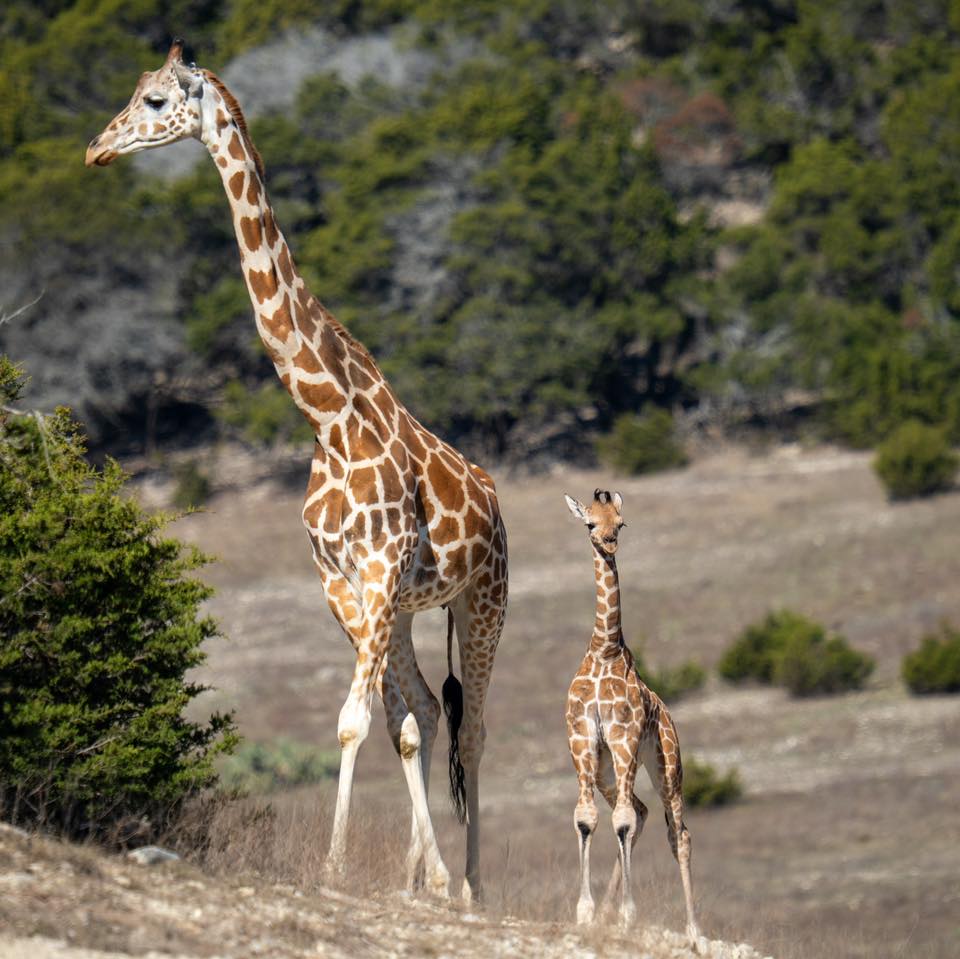
- Giraffe behavior and social structure within herds
- The importance of giraffe conservation initiatives
- The unique physiology of giraffes and how it supports their survival
- Engaging with the public: educational outreach and awareness
- The significance of experiencing wildlife on-site
The upcoming Giraffe live session this Friday at 10 am offers a unique opportunity to explore the fascinating social structures and behaviors of giraffes. These towering creatures form close-knit herds, usually comprising females, their young, and a few males. The complexities of their social interactions reveal an intricate system of communication and bonding.
Giraffes exhibit an intriguing social hierarchy influenced by factors such as age and reproductive status. Females tend to form stronger bonds than males, often seen nurturing and raising calves collectively. Young giraffes socialize through play, which helps them develop essential survival skills and establishes their role within the herd. Observing this live interaction allows viewers to witness genuine social dynamics in action.
The giraffe’s physical stature is perhaps the most notable trait. Adult giraffes can grow up to 18 feet tall, with long necks that facilitate feeding on treetops. Interestingly, even the newest addition to the herd, a calf, is approximately six feet tall. This impressive height underlines the concept of scaling within giraffe development. The calf may seem small compared to adults, but its verticality denotes a crucial stage of growth. Giraffes utilize their height not only for foraging but also for spotting predators. The live session allows viewers to appreciate these adaptations firsthand.
Conservation efforts for giraffes have gained momentum in recent years. Various organizations are committed to their preservation, focusing on habitat loss and poaching issues. Current estimates indicate that giraffe populations have decreased by nearly 40% over the past few decades. Habitat fragmentation, primarily due to human encroachment and agricultural expansion, threatens the species. Supporting wildlife conservation initiatives is vital for ensuring the species’ future.
Programs like the Giraffe Conservation Foundation work tirelessly to safeguard habitats while educating local communities about the importance of preserving their ecosystems. By fostering this understanding, communities become allies in conservation efforts, recognizing the giraffe’s ecological significance. As a species that contributes to seed dispersal and ecosystem balancing, giraffes play a crucial role in maintaining the health of their habitats.
The Giraffe live event isn’t just about observation; it serves as an educational platform. Engaging with the public through such experiences boosts awareness of giraffe conservation and fosters respect for wildlife. Education about giraffes goes beyond the basics; it includes understanding their ecological roles and the challenges they face. This type of communication is essential in catalyzing interest and action in protecting wildlife.
Zooming in on the giraffe’s physiology reveals tremendous adaptations. Giraffes have specialized cardiovascular systems that allow them to manage blood pressure despite their towering height. Their hearts are about two feet long and pump enormous volumes of blood to ensure adequate circulation. Moreover, their long necks have a unique structure, comprising only seven vertebrae—the same number found in humans—albeit significantly longer. This anatomical feature allows them to reach high foliage while also providing certain advantages, such as greater visibility against predators.
When people experience wildlife in a zoo or sanctuary setting, it can create lasting impressions that inspire future conservationists. Observing giraffes in person allows appreciators of nature to build connections and recognize the beauty and fragility of wildlife. The second day of spring provides an excellent backdrop to engage with nature, making the Giraffe live event an ideal occasion to immerse oneself in the world of these majestic creatures.
Public engagement is not just beneficial for individuals; it creates a ripple effect in the community. When individuals leave a live event with greater knowledge and understanding, they often share these insights with friends and family. This exchange fosters community awareness and encourages support for conservation initiatives over time.
The juxtaposition of spring’s new life with the giraffe herd is particularly poignant. Spring symbolizes renewal and the arrival of new life, underscored by the recently born calf. Yet it is also a critical period for wildlife, as many species are vulnerable during their reproductive cycles. Awareness and vigilance during this time can significantly impact conservation success.
Zoo education programs often equip visitors with facts about giraffes, their habitats, and the threats they face. These programs can include interactive displays, workshops, and talks that enrich the visitor experience. The more informed the public is, the more likely they are to advocate for policies that protect wildlife and fund conservation efforts.
Through initiatives like the Giraffe live event, the synergy between zoos and wildlife conservation becomes apparent. Zoos serve not just as places to observe animals; they actively participate in their preservation and education. The live session provides a chance to showcase behind-the-scenes activities, giving viewers context about how giraffes are cared for and the efforts made to replicate their natural habitats.
In addition, the live event allows for Q&A sessions, where knowledgeable staff can address public inquiries. This interaction helps clarify misunderstandings and augmentes knowledge on giraffe care, behavior, and conservation. Whether individuals are parents wanting to educate their children or wildlife enthusiasts seeking more information, these exchanges strengthen the community’s bond with nature and wildlife.
Geographically, the giraffe’s range was once expansive, covering vast tracts of Africa. However, their habitats are shrinking, and localized extinctions are becoming more common. This situation is exacerbated by climate change, which forces species to adapt to new environmental conditions or face extinction. The Giraffe live event can spotlight these critical issues, driving home the urgency for collective action in conservation.
By creating a tangible connection through experiences like this one, awareness accelerates. Visitors not only comprehend the giraffe’s ecological significance but also feel a sense of responsibility to participate in conservation. The importance of interacting with nature cannot be overstated; these experiences can inspire environmental stewardship in younger generations who become advocates for wildlife.
In summary, the Giraffe live session this Friday at 10 am represents more than just an educational opportunity. It’s a chance to understand the fascinating social structures of giraffes, recognize the value of conservation efforts, and appreciate the incredible adaptability of these remarkable animals. Observing a calf that stands nearly six feet tall amidst a herd of towering adults emphasizes the importance of nurturing wildlife and ecosystems.
This event marks a significant moment to foster discussion and inspire action related to giraffe conservation. As spring ushers in new life, it serves as a reminder that we must protect the environments that support these majestic creatures. Engaging with nature through firsthand experiences encourages advocacy for conservation, reinforcing the importance of community involvement in protecting the world’s wildlife.
*****
Source Description
Giraffe live this Friday at 10 am! Let’s spend the second day of spring with short stuff and the giraffe herd. 🦒
Did you know that even though the new calf is short relative to the rest of the herd, he is likely around six feet tall? So much for short stuff, huh?
