
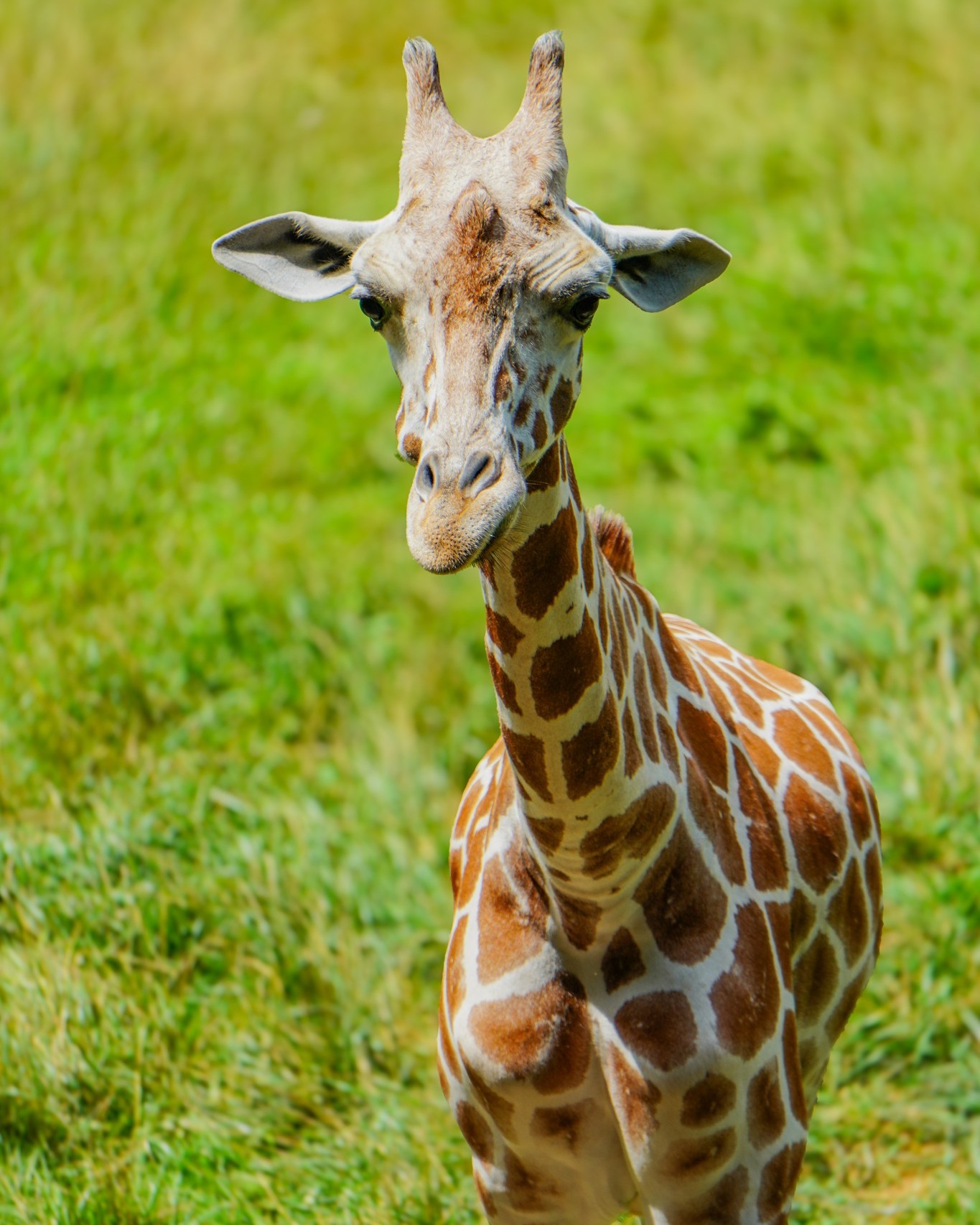
- The importance of seasonal care for zoo animals, with a focus on giraffes
- Highlights from Binder Park Zoo’s summer experiences with giraffes
- The role of zoos in wildlife conservation and education
- Understanding giraffe behavior and habitat needs
- The significance of visitor support in animal care year-round
As temperatures drop and chilly weather blankets many regions, animal care facilities, such as Binder Park Zoo, face critical decisions regarding animal habitats. Our giraffes, majestic and towering, have now moved into their winter space. This transition is not merely about physical space; it reflects a meticulous approach to animal welfare that responds to seasonal changes.
Seasonal care for zoo animals is vital for their health and well-being. Zoos must adapt to environmental shifts, ensuring that species accustomed to specific climates have suitable living conditions. For giraffes, this often means moving indoors to environments that replicate their natural habitat’s temperature and humidity, while also providing protection from the harsh elements. Such planning showcases the zoo’s commitment to animal welfare; it allows for ongoing research into each species’s needs throughout the seasons.
Although Binder Park Zoo closes for the winter, the care for these animals continues unabated. Dedicated staff members stay on-site, implementing feeding regimens, health checks, and enrichment programs to mimic natural behaviors. Importantly, giraffes, like all creatures in the zoo, require consistent environments. Regular monitoring during the colder months ensures their health and well-being remain a priority.
During the warm summer months at Binder Park Zoo, our visitors had the chance to observe some captivating giraffe moments. Each interaction, whether through feeding sessions, educational talks, or simple observations, brings the public closer to understanding these magnificent creatures. Giraffes, known for their long necks and unique coat patterns, fascinate people of all ages. Just as in the wild, rich experiences in the zoo enhance public knowledge and appreciation for these animals. Share your summer memories of seeing our giraffes; your stories contribute to a broader narrative about human-animal connections and the importance of wildlife conservation.
Another vital aspect of zoos like Binder Park is their role in wildlife conservation and education. Zoos are not merely entertainment venues; they are crucial players in protecting endangered species. As natural habitats dwindle due to urbanization, poaching, and climate change, species like the giraffe face increasing threats. By participating in species survival plans and breeding programs, zoos work toward preserving genetic diversity within animal populations. Binder Park Zoo collaborates with global conservation efforts. This commitment exemplifies how local actions can contribute to worldwide conservation needs.
Giraffes exhibit fascinating behaviors influenced by their social structures and environment. They are social animals that thrive in herds, often displaying complex behaviors, such as necking—a unique form of combat among males where they swing their necks in an effort to establish dominance. These interactions, combined with their natural grazing behavior, illustrate their adaptations to the savanna ecosystem. Understanding these behaviors is critical for zoo staff as they create enriching experiences in the zoo environment. Enrichment activities, such as climbing structures and varied feeding methods, aim to stimulate the animals’ natural inclinations, promoting both physical and mental health.
While the zoo is closed for the winter, the significance of visitor support cannot be overstated. Guest attendance provides essential funding to cover the costs of animal care, environmental enrichment, and habitat maintenance. The support of our community ensures that all animals, including our beloved giraffes, receive the needed attention year-round. Visitors play a crucial role in sustaining the zoo’s mission, and engaging with our summer giraffe events fosters a connection that lasts well beyond the seasons.
Reflecting on the past summer, many special moments with our giraffes remind us all of the warmth and joy that can come from respecting and understanding wildlife. The interactions shared by visitors contribute to a larger narrative focused on empathy for animals and the necessity of ongoing educational efforts. Engagement through memories makes the journey of wildlife care a community effort.
Transitioning into the winter space for our giraffes offers an opportunity for deeper learning about their physiology and biological adaptations. Giraffes, with their long necks and distinctive coat patterns, are beautifully adapted to their natural habitats. They have evolved to browse on the leaves of tall trees, which allows them to avoid competition with other herbivores. Their unique blood circulation systems are fine-tuned to manage blood flow when they lower and raise their heads, showcasing nature’s remarkable engineering. Understanding these adaptations enhances our respect and appreciation for these remarkable creatures.
Giraffe populations face challenges, particularly due to habitat loss and hunting. Various conservation organizations monitor giraffe numbers and their habitats, emphasizing the importance of an informed public. The more we know about them, the better we can advocate for their preservation. Education is a key component of this advocacy, empowering individuals to make choices that positively impact wildlife and their ecosystems.
As winter envelops the zoo, the giraffes and other animals are not merely inactive; they are undergoing a different phase of care. The dedicated staff engages in educational programs and research about winter animal care. This ongoing focus illustrates the importance of sustained investment in wildlife management practices. Each season presents its unique challenges and opportunities. For instance, assessing the dietary needs of giraffes in colder weather may require adjustments to supplements and hay arrangements. Such meticulous care ensures that all aspects of their health are accounted for through the changing seasons.
When engaging with our community during summer events, we often highlight the vital role that zoos play in fostering wildlife conservation. By providing a platform for learning and engagement, Binder Park Zoo connects visitors not just to animals but to the larger mission of environmental stewardship. The experiences shared during the summer months illustrate how closely intertwined our lives and the lives of these majestic beings can be.
The importance of supplying proper housing for our giraffes cannot be overstated. The winter space is designed with their physical and psychological needs in mind. Environmental enrichment within their habitats aims to replicate the challenges of foraging and exploring found in the wild. These adaptations are necessary for keeping the giraffes engaged and stimulating. Furthermore, the thoughtful design of their winter environment prioritizes their comfort and health, ensuring stability no matter the weather outside.
The past summer offered significant opportunities for both education and interaction with our giraffes. Visiting families, school groups, and conservation enthusiasts noted how these interactions increased their awareness of wildlife issues. Now, as winter arrives, these interactions serve as a reminder of the strong connections built through shared experiences. These narratives matter, shaping the way people perceive their roles in conservation and care.
As winter approaches, we invite our community to stay engaged. Learn about giraffe conservation efforts and support initiatives that invest in wildlife protection. Your commitment to visiting and supporting Binder Park Zoo enables continued care for giraffes and all animals. Through this partnership, we can ensure that future generations appreciate the beauty and complexities of wildlife.
The journey of wildlife conservation is ongoing and requires communal involvement. Visiting a zoo extends beyond mere observation; it cultivates a sense of responsibility towards wildlife. Each encounter adds depth to our understanding of animals and fosters a shared mission of conservation.
Reflecting on the summer experiences brings warmth to the chilly winter months. Our giraffes’ adventures symbolize the interconnectedness of human and animal lives. Even as the zoo closes, the essence of these experiences remains alive through your stories and support. Share your treasured moments with our giraffes, as they represent more than just animals; they embody a shared commitment to wildlife preservation.
The giraffes at Binder Park Zoo represent the dedication of conservation efforts, animal well-being, and public education combined. The transition into winter space is not merely a seasonal change; it is part of a long-term vision focused on sustainable practices and ecological health. The work that takes place behind the scenes is vital in maintaining an environment where giraffes—and all living creatures—can thrive, demonstrating the profound impact of community involvement in wildlife conservation.
*****
Source Description
🥶As the chilly weather rolls in, our giraffes have moved into their winter space for the season! While Binder Park Zoo is closed for the winter, we wanted to share a few of our favorite giraffe moments from this past summer to bring a little sunshine to your feed. ☀️🦒
Even though the zoo is closed, our giraffes — and all the animals — remain right here at home, receiving the same dedicated care all year long. Your visits and support during the season help us continue that care throughout the winter months, and we’re so grateful for it!
Share your summer giraffe memories below!
