
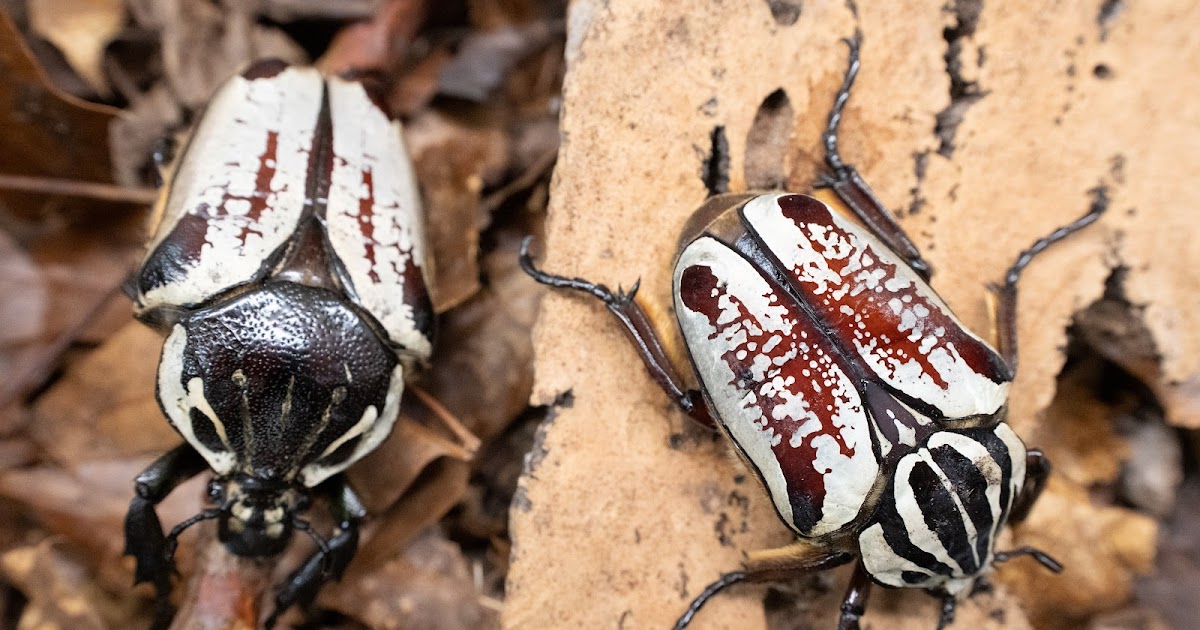
Summary of The Goliath beetles are HERE!:
The article highlights the fascinating Goliath beetles, the largest and heaviest insects, known for their impressive size—males can exceed 4 inches. Native to central and west Africa, these gentle giants are mostly harmless to humans but can be aggressive towards other males. The beetles undergo a complex life cycle that includes larva and pupa stages, lasting up to a year.
At the Woodland Park Zoo, keepers have dedicated efforts to nurture these beetles through their life stages, ensuring specific environmental conditions for their growth. The recent emergence of adult beetles, which began pupation in January 2025, is celebrated as a significant achievement for the zoo. Males can be identified by a distinctive “Y” shaped horn used in battles for food and mates.
Goliath beetles play a vital role in their ecosystem, contributing to soil health by breaking down various organic materials. The article underscores the appreciation for the care provided by the zoo keepers in fostering the beetles’ development.
- Goliath beetles are among the largest and heaviest insects in the world.
- The life cycle of Goliath beetles involves distinct stages, including larva, pupa, and adult.
- Goliath beetles contribute significantly to their ecosystems by aiding in nutrient cycling.
- Males and females exhibit different physical characteristics and behaviors.
- The care and conservation efforts at facilities like Woodland Park Zoo reflect important practices in zoology.
Goliath beetles, specifically Goliathus goliatus, are a fascinating species that capture the attention of both entomologists and casual observers alike. These insects are not just remarkable for their size; they are also vital participants in their ecosystems. Males can grow to over 4 inches in length and weigh close to 3 ounces, making them one of the largest subspecies of beetles on the planet. Their impressive size makes them stand out, but their life cycle and ecological roles are equally intriguing.
The life cycle of the Goliath beetle is an elaborate process comprised of several stages: egg, larva, pupa, and adult. Beginning as eggs laid in moist, decaying organic matter, these larvae spend a significant portion of their lives in the underground phase. The larval stage can last up to several months, during which they consume a diet rich in rotting fruit and plant matter, playing a significant role in the decomposition process. This nutrient-rich environment supports their growth and transforms them into pupae. In the pupal stage, Goliath beetles undergo metamorphosis—a period that can last from weeks to months. During this time, they are highly vulnerable but are later rewarded for their patience by emerging as magnificent adults, ready to establish their territory.
The adult Goliath beetles are spectacular both in appearance and behavior. Males have a distinctive “Y” shaped horn on their heads, which they use in combat against other males. These battles can determine access to food resources and potential mates, indicating a highly competitive aspect of their biological existence. Female Goliath beetles lack this horn, showcasing a notable sexual dimorphism within the species. This difference is important; it underscores the distinct roles that each gender plays in the ecosystem, not just regarding reproduction but also in their behavioral adaptations.
Importantly, Goliath beetles play a significant role in their habitats, particularly in tropical rainforests of Central and West Africa. Their feeding habits contribute to nutrient cycling, which is critical for maintaining soil health. Adult Goliath beetles tend to consume different types of organic matter compared to their larvae. As adults, they may feed on flowers, fruit, and rotting vegetation. This varied diet helps break down plant and animal matter, enriching the soil and facilitating the growth of new plants.
Conservation efforts for Goliath beetles reflect broader trends in zoological management and environmental stewardship. At facilities like Woodland Park Zoo, dedicated keepers work diligently to create optimal habitats for the beetles from the larval stage through to adulthood. This includes ensuring the right levels of humidity, temperature, and food varieties for the beetle’s specific needs. These efforts are not only vital for the survival of the species in captivity but also serve as a model for conservation practices globally.
The arrival of adult Goliath beetles at the Woodland Park Zoo marks a significant achievement. The beetles that emerged in late June 2025 underwent a rigorous care process by Bug World keepers. The adult beetles that resulted from this careful management provide unique opportunities for education and engagement within the community. Observational studies on how these beetles interact with each other and their environment can give invaluable insights into both their behavior and their ecological importance.
Furthermore, community education about Goliath beetles extends to the vital role of insects in ecosystems at large. Many people overlook how essential insects like Goliath beetles are to the functioning of habitats. Their contributions to nutrient cycling, soil health, and even as food sources for other animals highlight the interconnectedness of all species. Teaching visitors about these connections enhances public awareness and underscores the need for ongoing conservation efforts.
Make no mistake, Goliath beetles are impressive in more than one respect. They remind us of the beauty and complexity of biodiversity. Each individual beetle embodies thousands of years of evolutionary adaptation, allowing them to thrive in increasingly fragile ecosystems. As the climate continues to change, the relevance of studying and conserving such species becomes even more pertinent. The challenges facing Goliath beetles, such as habitat loss and climate change, mirror the broader threats to insect biodiversity.
In summary, Goliath beetles serve as both educational tools and subjects of serious scientific inquiry. Their life cycle intricately links them to their environment and underscores their role in maintaining ecological balance. The efforts of zoos and wildlife facilities illuminate partnership approaches for care and conservation, shedding light on our shared responsibility for the health of all species.
By understanding the complex lives of Goliath beetles, we are better equipped to appreciate and protect the ecosystems in which they play a vital role. Through continued research and education, we can foster a greater appreciation for these beetles and ensure that future generations experience their remarkable presence.
