
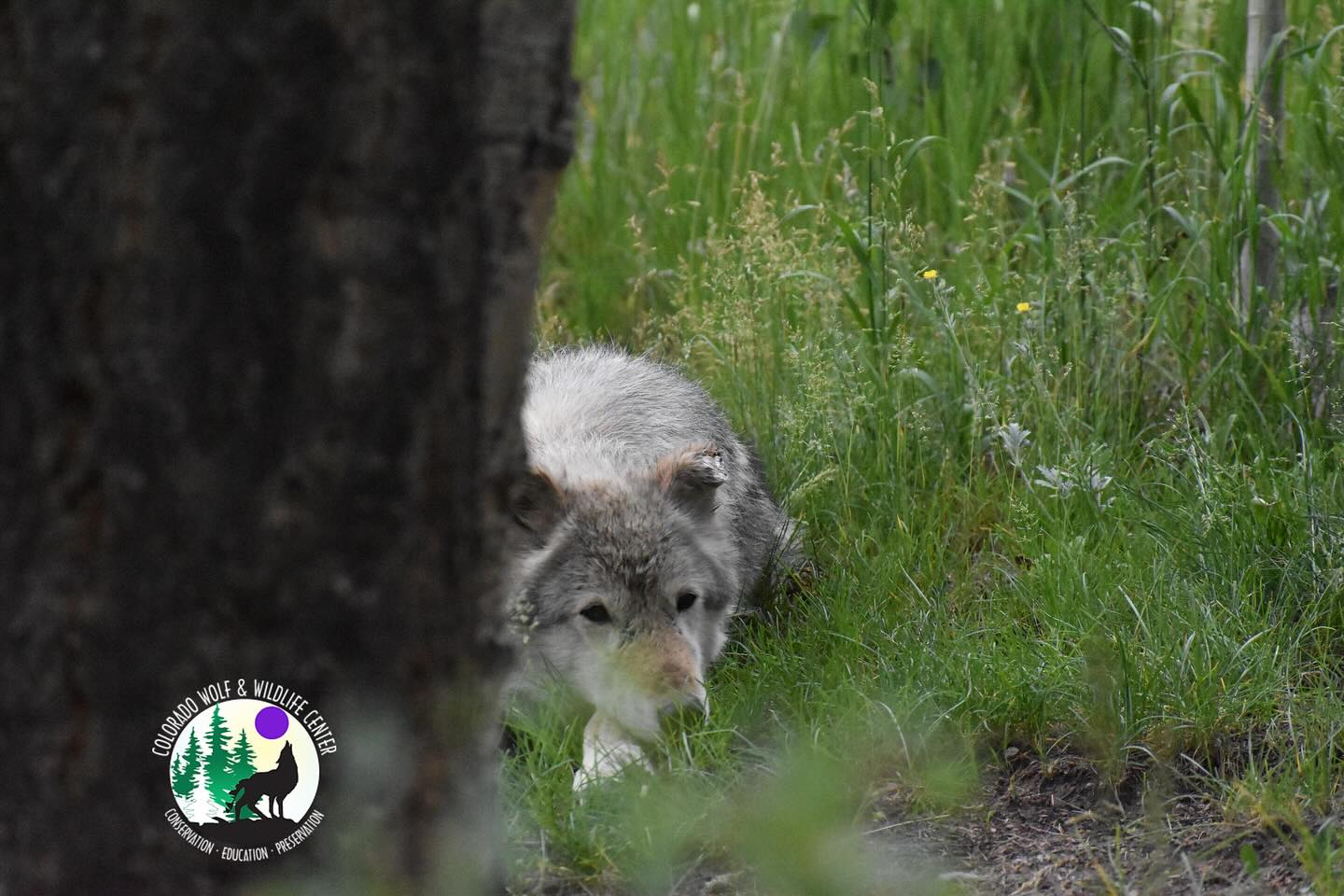
- Overview of “Goodnight Tala!” and its thematic elements
- Insights into the animal characters featured in “Goodnight Tala!”
- The role of “Goodnight Tala!” in promoting wildlife conservation
- Effective techniques in zoo management illustrated in the book
- The educational impact of “Goodnight Tala!” for children and families
“Goodnight Tala!” is a captivating children’s book that artfully explores themes of wildlife, environmental stewardship, and bedtime rituals through a story that centers around the character Tala. The book interweaves elements of zoology and conservation, presenting young readers with both entertainment and education.
At its core, “Goodnight Tala!” offers a gentle narrative that introduces children to various animal species as they prepare for sleep. Each character represents different traits and habitats, allowing young readers to learn basic facts about them. The animals feature prominently in the illustrations and storylines, transforming the reading experience into a journey through different ecosystems.
For instance, the chapters may include creatures like the majestic elephant, the playful dolphin, or the vibrant parrot. Each character is depicted engaging in their bedtime rituals, which model the importance of rest and relaxation. This aspect serves as an excellent opportunity for young readers to learn not just about these animals but also about their natural behaviors and habitats.
The character development within “Goodnight Tala!” plays a vital educational role. Children can form connections with the animals, fostering early empathy and understanding toward wildlife. By integrating accurate scientific information into relatable narratives, the book emphasizes the importance of each creature within its ecosystem. The text likely includes facts about the elephants’ social structures, the dolphins’ communication methods, and the parrots’ diets, effectively grounding the story in zoological truths.
“Goodnight Tala!” also acts as a tool for promoting wildlife conservation. The story highlights the interconnectedness of species and habitats, subtly advocating for respect and care for nature. When children learn about the behaviors and struggles of animals, they become advocates for conservation efforts. This could include practical steps they can take, such as recycling, reducing plastic use, and supporting wildlife organizations.
Zoo management principles can also be discussed in relation to “Goodnight Tala!” Effective zoos aim to educate the public about animals while providing them with enriched habitats that mimic a natural environment. In a similar manner, the book sets a precedent for how stories can frame wildlife in an engaging yet educational context.
For instance, zoos often implement programs based on animal behavior that stimulate natural instincts. “Goodnight Tala!” can serve as an example of how storytelling can enhance understanding of these principles at a young age. By presenting animals as relatable characters, the book encourages awareness of their needs and the challenges they face in the wild.
Zoo management also involves animal care, breeding programs, and habitat conservation. Learning about these practices can inspire children to think critically about conservation strategies. The principles of humane treatment and ethical considerations in wildlife management exemplified in the book can foster a sense of responsibility amongst young readers.
The educational impact of “Goodnight Tala!” cannot be overstated. It transcends mere storytelling, becoming a resource for families to discuss important topics related to wildlife and the environment. The incorporation of factual information within a narrative framework resonates more strongly than a standard textbook approach. Engaging children through vivid illustrations and relatable characters captivates their interest while promoting knowledge retention.
In addition to fostering a love for reading, the book can initiate lively discussions about zoo visits, wildlife encounters, and conservation efforts. Families can use it as a springboard for further exploration—visiting local zoos, investigating wildlife sanctuaries, or participating in conservation projects.
Educators can also harness the power of “Goodnight Tala!” to enhance curriculum goals. Integrating the book into lesson plans allows for multidisciplinary learning opportunities, spanning science, art, and even moral studies. Students can engage in art projects inspired by animal characters, develop presentations on animal care, or even start initiatives aimed at environmental preservation.
“Goodnight Tala!” not only serves as a bedtime story but as a catalyst for long-term engagement with environmental issues. Children learn that bedtime is not just about winding down but is part of a greater cycle involving nature and wildlife. The rhythmic nature of its prose can lull children to sleep, while the morals and messages linger in their minds, fostering curiosity about the natural world around them.
In summary, “Goodnight Tala!” is more than a charming bedtime story. It engages children in wildlife education and conservation through relatable animal characters and simple but impactful lessons. The detailed portrayal of animals encourages empathy, while the underlying messages promote environmental stewardship. The book exemplifies how literature can enrich the understanding of zoology and inspire the next generation of conservationists.
Through the enchanting journey offered in “Goodnight Tala!” young readers can learn about the roles animals play in ecosystems, understanding that each species is vital to maintaining balance. By establishing emotional connections with these animal characters, children are more likely to carry forward an appreciation for wildlife and advocate for their protection.
Educators and parents are provided with a resource to instill a love for nature in children, guiding discussions on sustainability and conservation efforts. Furthermore, the principles suggested in the book can often mirror successful zoo management strategies, paving the way for a deeper understanding of how societies can coexist with nature.
Ultimately, “Goodnight Tala!” acts as a multi-dimensional tool, blending storytelling, education, and ecological responsibility. Through its lessons, it emphasizes the significance of nurturing an ethical relationship with wildlife. Children are encouraged to take an active role in caring for the environment and advocating for those who have no voice.
The future of wildlife conservation rests on creating informed and compassionate stewards of the earth. “Goodnight Tala!” not only entertains but fosters a sense of responsibility among its young readers. Understanding that every creature plays a role can encourage thoughtful actions at every level of society. Through literature, awareness can be raised, and young minds can be inspired to embrace the mission of wildlife protection as they drift off to sleep.
*****
Source Description
Goodnight Tala!
