
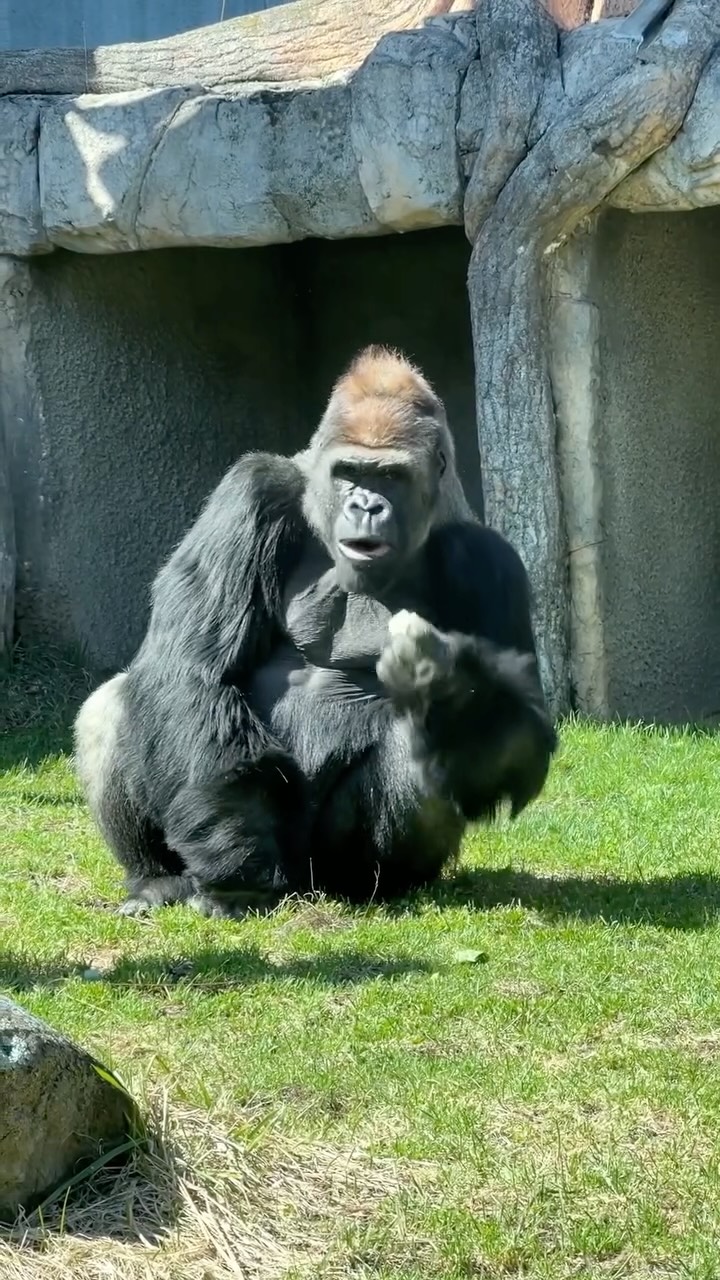
- Behavior and Habitats of Gorillas
- Seasonal Changes and Their Implications for Zoo Animals
- The Role of Zoos in Conservation and Education
- Unique Gorilla Behaviors Observed at Zoo de Granby
- The Importance of Visitor Engagement in Conservation Efforts
Gorillas are fascinating creatures, captivating many with their strength, intelligence, and social dynamics. With their impressive stature and complex social behaviors, they are often the star attraction at zoos worldwide. Today, our understanding of gorillas goes beyond mere observation; it encompasses their behavior, habitat needs, and the intricate roles zoos play in their conservation and education efforts. One such event highlighting these aspects occurred at Zoo de Granby, where the gorillas enjoyed their first spring outing, taking advantage of the fine weather.
Gorillas are known for their adaptability to forest environments across central Africa, inhabiting tropical and subtropical regions. Their social structures are typically centered around family units led by a dominant silverback. These leaders are recognized for their protective nature and essential role in group cohesion. Interactions within these groups are intricate, featuring communication through gestures, sounds, and physical contact, reflecting their advanced social capabilities.
Seasonal changes have a significant impact on the lives of zoo animals. As natural habitats dictate behaviors, replicating these conditions in zoos fosters well-being and promotes natural behaviors. Spring outings, like the one at Zoo de Granby, provide gorillas with enrichment opportunities, allowing for exploration, play, and social interaction in a different environment. This shift breaks the monotony of winter confinement and stimulates their natural instincts, essential for mental and physical health.
Zoos are not merely places of entertainment but are pivotal in wildlife conservation. They provide safe havens for endangered species while supporting global conservation programs. By participating in breeding programs, research, and habitat preservation initiatives, zoos contribute significantly to the survival of species like gorillas. Education is a cornerstone of their mission, aiming to inform visitors about conservation’s critical importance and inspiring future generations to appreciate and protect wildlife.
The behavior of gorillas at Zoo de Granby offers unique insights into their adaptability and intelligence. Observing Louis, one of the gorillas, walking upright is a striking sight, drawing attention to the evolutionary traits shared with humans. Such behaviors challenge our understanding of gorilla capabilities and prompt discussions about their cognitive complexity. These observations enhance visitor engagement, fostering a deeper connection between humans and these magnificent animals.
Visitor engagement is crucial for successful conservation efforts. Educated and engaged visitors are more likely to support environmental and conservation initiatives. By creating interactive and educational experiences, zoos like Zoo de Granby promote awareness and understanding. These interactions are invaluable, encouraging a collective effort toward wildlife preservation.
In conclusion, the highlight of gorillas at Zoo de Granby demonstrates the multifaceted roles that zoos play in the conservation and understanding of wildlife. By providing environments mimicking natural habitats, engaging in educational outreach, and spearheading conservation programs, zoos contribute significantly to preserving these remarkable creatures. The encounter with Louis and his group serves as a reminder of our responsibility toward wildlife and the importance of continued efforts in conservation and education.
*****
Source Description
Aujourd’hui, les GORILLES ont profité de la belle température pour leur première sortie du printemps! ☀️🦍 C’est toujours impressionnant de voir Louis se déplacer debout! 🤯 Venez les voir ce week-end au Zoo de Granby! 🤩
