
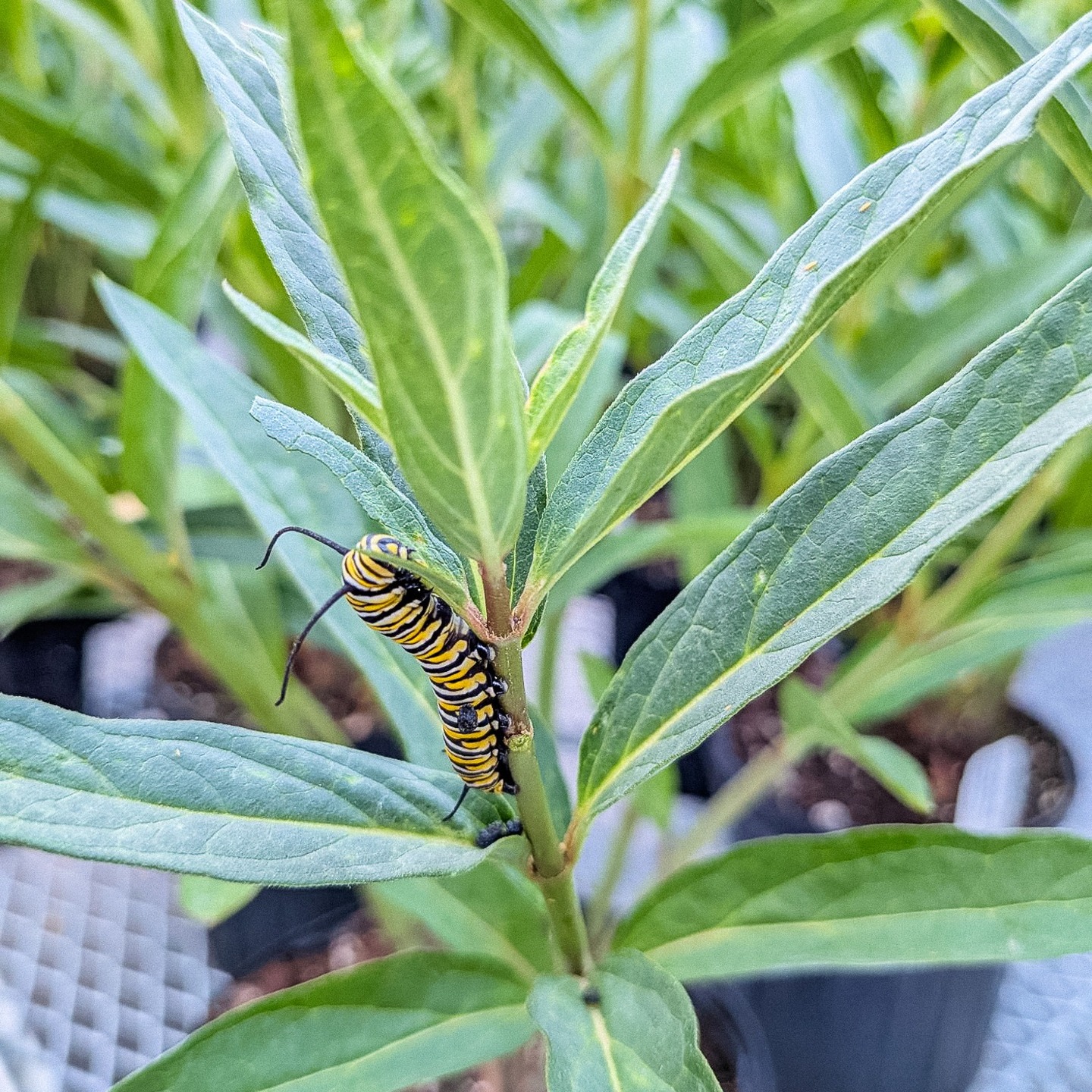
- The significance of milkweed as a host plant for monarch butterflies.
- The environmental benefits of promoting milkweed in local ecosystems.
- Tips for caring for milkweed and the caterpillars it hosts.
- Details about the Spring Plant Sale and how to participate.
- The importance of community engagement in wildlife conservation.
As spring unfolds, many gardeners and nature enthusiasts look to enhance their outdoor spaces. The arrival of our Spring Plant Sale on April 18th provides an ideal opportunity to discover exciting plants, including an essential species: milkweed. This remarkable plant plays a critical role in the lifecycle of monarch butterflies and has significant implications for local ecosystems.
One of the primary reasons to cherish milkweed is its status as the exclusive host plant for monarch butterfly caterpillars. Monarchs are well-known for their captivating migration patterns, traveling thousands of miles from North America to central Mexico. However, their survival highly depends on milkweed, which is the sole food source for their larvae. Without it, monarchs cannot complete their lifecycle, making it crucial for gardeners to understand and support this relationship.
The various species of milkweed, especially Swamp Milkweed (Asclepias incarnata), provide not only nourishment for monarch caterpillars but also a habitat for numerous other pollinators. The plant attracts a variety of bees, wasps, and other beneficial insects. By incorporating milkweed into gardens, you contribute to a thriving ecosystem, helping to support biodiversity in your local environment.
Understanding the environmental benefits of milkweed extends beyond its role as a caterpillar food source. Its flowering enhances pollinator habitats, making it a vital plant for anyone interested in wildlife conservation. Pollinators play significant roles in food production; around 75% of the world’s flowering plants rely on them, including many crops essential to human diet. Planting milkweed not only provides food for monarchs but also contributes to the overall health of garden ecosystems.
To successfully cultivate Swamp Milkweed and support the life it nurtures, certain care tips are important. Initially, plant milkweed in a sunny location with well-draining soil. This plant thrives in wetland conditions but can adapt to a variety of settings. Regular watering during dry spells helps to establish the plant and supports its growth.
When engaging with any caterpillars on your milkweed, handle them delicately. Monarch caterpillars are often found munching on the leaves of this plant, and their survival hinges on the availability of milkweed. Avoid removing them from the plant; instead, take the opportunity to observe this fascinating lifecycle from caterpillar to chrysalis to butterfly. Witnessing these transformations right in your own garden can be an enriching experience, offering a tangible connection to nature.
Moreover, our Spring Plant Sale on April 18th presents an ideal occasion for people to acquire Swamp Milkweed and engage with the larger community concerning wildlife conservation. The sale will take place from 9:30 AM to 2 PM, providing ample time for attendees to explore a variety of plants while learning about native species’ ecological roles. Not just a gathering of plant lovers, this event serves as a platform for community awareness around environmental stewardship.
Active participation in local initiatives, such as our plant sale, fosters a collective commitment to preserving natural habitats. By investing in native plants like milkweed, you are making a statement about the importance of biodiversity. Communities that come together to propagate and protect native flora will wind up benefiting the local fauna as well.
Encouraging discussions about the urgency of protecting pollinators, particularly monarchs, is vital. Sadly, populations of these butterflies have been declining due to habitat loss, climate change, and pesticide use. By creating environments rich in milkweed, we contribute to reversing these trends. Each individual can make a significant impact by transforming their gardens into monarch-friendly zones.
In addition to milkweed, consider including a range of other native plants to encourage even more diversity. Plants like coneflowers, black-eyed Susans, and bee balm complement milkweed and attract various pollinators, further enriching your garden and supporting local species.
As we prepare for the Spring Plant Sale, remember that this event is more than just a chance to expand your garden. It serves as a reminder of our roles in supporting the environment. Each plant chosen and each caterpillar nurtured is a step towards a more sustainable future. The importance of milkweed echoes beyond our gardens; it encapsulates the broader narrative of wildlife conservation—the interconnectedness of species and the shared responsibility to protect our natural world.
Educating friends and family about the significance of milkweed can also amplify the impact of this initiative. Simple conversation starters about the role of this plant can inspire others to contribute. Awareness leads to action, and collective action can create a ripple effect, motivating others to adopt similar environmentally friendly practices.
Beyond the immediate benefits of planting milkweed, consider the long-term implications for local ecosystems. When you plant native species, you are fostering resilience within your community’s environment. Native plants require less water and fewer chemical inputs, making them better suited for local conditions compared to exotic species. Hence, by choosing milkweed, you are endorsing a holistic approach to gardening that aligns with sustainable practices.
As we prepare for the upcoming Spring Plant Sale, take a moment to reflect on the profound implications of the choices we make in our gardens. Every plant has a role to play, and milkweed is a critical piece of that puzzle. By selecting Swamp Milkweed, you are not just enhancing your garden; you are actively supporting the lifecycle of the majestic monarch butterfly.
Finalize your plans to visit us on April 18th, where you can learn more about milkweed and its importance firsthand. Explore narratives from experts and fellow enthusiasts about their experiences with monarchs and innovations in wildlife conservation. Engaging in these conversations can deepen your understanding and commitment to protecting essential species like the monarch butterfly.
In essence, the significance of milkweed extends far beyond its aesthetic qualities. This plant symbolizes hope and resilience for the future of our natural environment. By prioritizing pollinator-friendly practices, we become part of a larger movement focused on conservation and sustainability. Embrace your role in this narrative, and consider the impact you can have right in your own backyard.
As we gather for the Spring Plant Sale, let’s celebrate the connections we share with nature, the importance of our local ecosystems, and the responsibility we hold in preserving them for future generations. The choices we make in our gardens not only influence our immediate environment but also contribute to the broader narratives of wildlife conservation. A garden enriched with milkweed is a garden that nurtures life, hope, and a sustainable future.
*****
Source Description
With our Spring Plant Sale happening tomorrow, April 18th, we wanted to remind you of the importance of milkweed.
Milkweed is a native host plant for monarch butterfly caterpillars. Monarch caterpillars rely on milkweed as their food source and cannot survive without it, making it an incredibly important plant.
If you are planning on taking home a Swamp Milkweed tomorrow at our plant sale, we simply ask that you care for both the plant and the life it supports. Handle gently, avoid removing caterpillars, and enjoy the rare chance to witness one of nature’s most incredible transformations right in your own yard or garden.
Spring Plant Sale
Saturday, April 18th | 9:30 AM – 2 PM
