
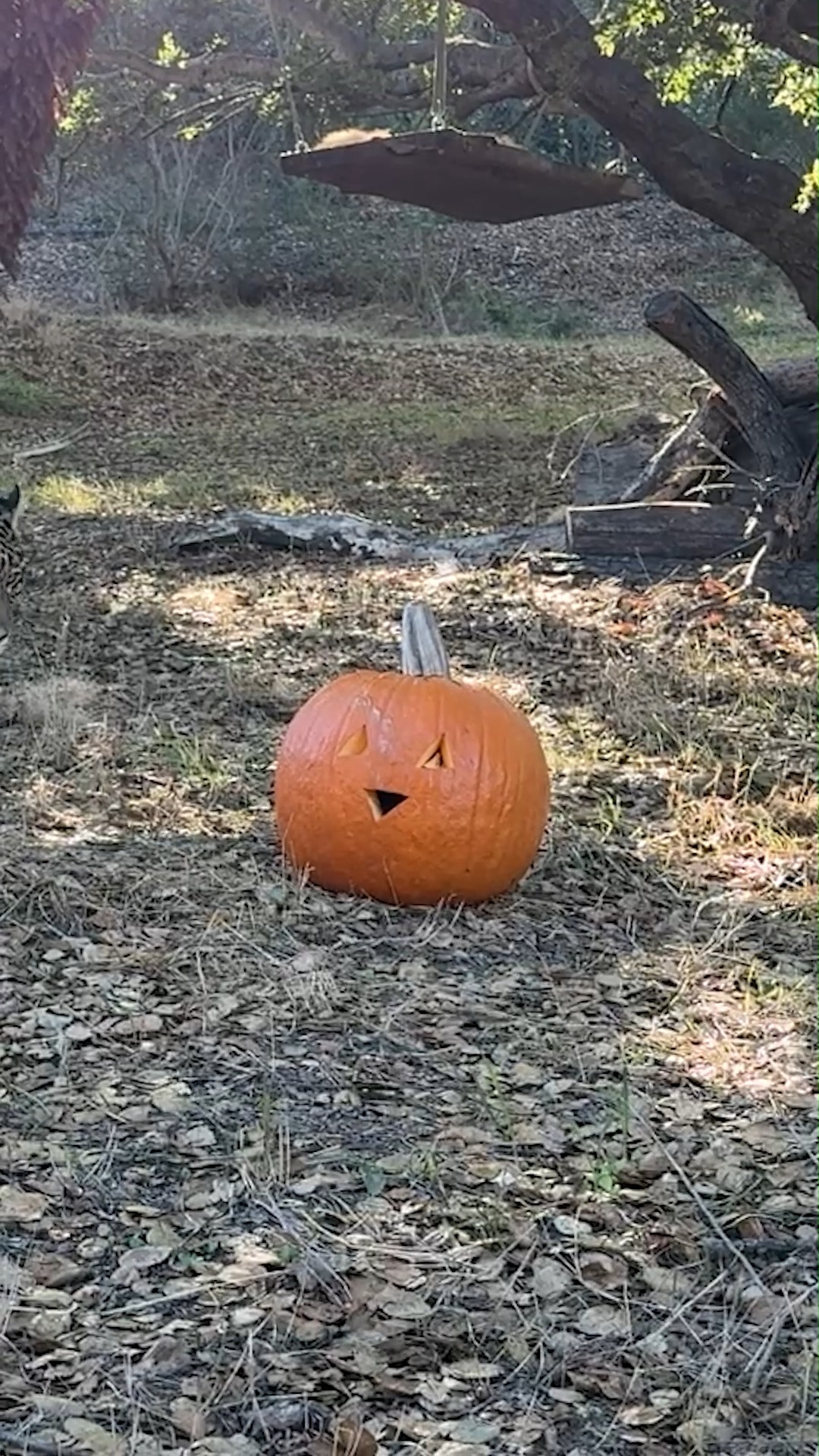
- Introduction to Gourd Luck and Its Significance
- Understanding Emma and Her Playful Nature
- The Role of Keeper Alicia in Gourd Luck Management
- Integrating Animal Behavior and Gourd Luck Dynamics
- Conservation Implications of Gourd Luck Practices
Gourd luck refers to the utilization of specific enriching elements—often crafted from natural materials—in the habitats of certain animals. These elements play a significant role in enhancing the well-being of animals in zoological environments. The connection between gourd luck and the behavior and psychology of animals is critical for zoo management practices.
Emma, a charming and playful creature, embodies the spirit of engagement that many animals show in controlled environments. Fascinatingly, her interactions and activities can provide invaluable insights to custodians about the mental and physical needs of similar species. When she is in the mood to play, the presence of gourd luck becomes essential. These playful acts underscore a deeper understanding of how environmental enrichment influences animal health.
Keeper Alicia plays a vital role in managing these interactions effectively. Through her experience and attention to detail, Alicia can create an environment that supports engagement between Emma and her gourd luck. This involves more than just providing physical objects; it requires understanding the nuances of behavior and playfulness.
A fundamental aspect of zoo management is integrating insights from animal behavior studies into the development of enrichment tools. Gourd luck is not merely a decorative item; it serves practical functions such as providing cognitive challenges and facilitating natural behaviors. This is particularly important for species that have evolved through rich interactions with their environment.
The practices surrounding gourd luck extend beyond entertainment; they contribute to broader conservation efforts by fostering a more holistic understanding of species’ needs in artificial settings. By acknowledging the vital role of animal enrichment, zoos are better equipped to contribute to conservation goals and education.
Gourd luck holds significant importance in zoo settings, as it encourages animals like Emma to engage in natural behaviors. This type of enrichment mimics conditions found in the wild, stimulating both physical activity and cognitive engagement. When animals are allowed and encouraged to interact with their environment in creative ways, their overall health improves. Research indicates that animals in enriched settings experience lower stress levels, improved socialization, and better physical health.
Emma’s playful nature exemplifies the joy derived from environmental interaction. Play serves multiple purposes in the animal kingdom, including social bonding, learning different skills, and practicing hunting or foraging techniques. Animals, especially those in protected environments, benefit extensively from playtime as it mimics natural behaviors they would otherwise engage in the wild.
Human intervention, like that of Keeper Alicia, becomes essential for ensuring these behavioral needs are met effectively. Each piece of gourd luck must be carefully selected or designed to encourage exploration, manipulation, and various forms of interaction. Different animals may respond uniquely to specific types, so careful observation is necessary to discern which items elicit the best responses.
For example, a hollowed gourd may provide hiding spots or a basis for problem-solving activities. Emma may push, roll, or even carry these items, engaging her cognitive skills and strengthening her physical abilities. This thoughtful consideration enhances the welfare of animals and positions zookeepers as essential facilitators in animal care.
As Keeper Alicia integrates gourd luck into Emma’s daily routine, it reflects a strong ethos of animal husbandry that prioritizes well-being. Developing these enriching environments requires studying animal behavior, cognition, and health. With this knowledge, caregivers can optimize their areas, providing stimulating and safe spaces where animals can thrive.
When evaluating the effectiveness of gourd luck, one must also consider how these items can contribute to social interactions. Some species are more socially inclined than others, and enhancing those dynamics can lead to enriched relationships among individuals. For primates or social mammals, gourd luck can facilitate sharing behaviors and communication, making it a multifaceted tool in animal management.
The relationship between animal behavior and enrichment strategies is critical. Research has shown that animals with varied enrichment tend to exhibit fewer signs of stress and engage more in their surroundings. Gourd luck, then, becomes a cornerstone of a well-rounded care regimen, promoting innate behaviors rather than simply serving as a distraction.
In the context of larger conservation goals, effective gourd luck management can showcase to the public the importance of creating naturalistic environments. These practices serve an educational function, demonstrating how species interact with their habitats and one another. They also highlight the importance of holistic care methodologies, bridging animal welfare with conservation messaging.
The role of Keeper Alicia in this context serves as a testament to effective zoo management. Alicia must continually assess and adapt the gourd luck based on Emma’s responses and behaviors. This ongoing assessment is vital for maximizing the benefits of enrichment tools, leading to healthier and more engaged animals. It also requires a concerted effort in data collection, evaluation, and implementation to ensure the highest standards of animal care are achieved.
Moreover, the interplay between gourd luck, animal behavior, and science opens communication channels with the public. When visitors observe Emma engaging with her surroundings, they are more likely to appreciate the complexities involved in animal care. It transitions from being merely an exhibition to an informative experience that teaches visitors about animal dynamics and conservation practices.
Importantly, the use of gourd luck benefits the larger conservation discourse. As animals thrive in enriched environments, they become less stressed and more adaptable to varying conditions. This adaptability is crucial for species that may face habitat loss, climate change, or other environmental pressures. Sharing these insights in outreach initiatives enhances the awareness of conservation issues and fosters a sense of responsibility among the audience.
In summary, the multifaceted relationship between gourd luck, animal behavior, and effective management practices provides a robust framework for understanding life in zoological settings. Keeping a lid on enriching practices, especially when Emma is ready to play, nurtures an environment conducive to optimal animal welfare and conservation efforts.
This combination of planning, observation, and inventive application strengthens the interaction between keepers and animals. As more facilities adopt these principles, the future of wildlife care looks promising. It leads to healthier animals, enhanced educational opportunities, and a broader public consciousness regarding wildlife conservation. The thoughtful implementation of gourd luck, under the careful guidance of individuals like Keeper Alicia, stands as a vital part of modern zoology.
*****
Source Description
Gourd luck keeping your lid on when Emma’s in the mood to play! 👻
📸: Keeper Alicia
