
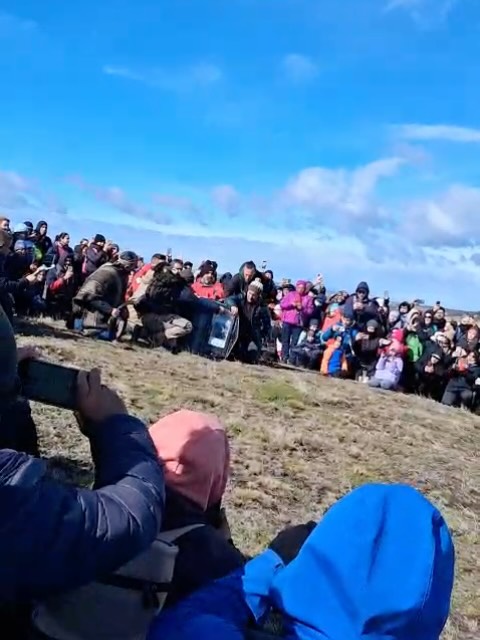
- GRAN MOMENTO: The story of Walaq, an Andean condor’s journey from rehabilitation to freedom
- The recovery process: from injury to reintegration in Patagonia
- The significance of satellite tracking in wildlife conservation
- Collaboration among organizations for successful wildlife rehabilitation
- The ecological importance of the Andean condor in its natural habitat
The narrative of GRAN MOMENTO revolves around Walaq, an injured Andean condor found in Santa Cruz, Argentina. This majestic bird, known for its impressive wingspan and ability to soar high in the mountainous regions, suffered severe injuries that left him unable to fly. His story is one of resilience and hope, highlighting vital aspects of wildlife rehabilitation and conservation efforts in Patagonia.
Walaq’s journey began when he was discovered unable to take flight. The local community, along with conservationists, recognized the urgency of his situation. Immediate action was taken, and he was transported to the Veterinary Hospital of Fundación Temaikèn. Here, dedicated professionals provided the necessary medical treatment, including assessment and care for his wounds. The medical staff’s expertise ensured that Walaq received essential attention to increase his chances of recovery.
During his stay at Fundación Temaikèn, Walaq underwent various procedures aimed at helping him regain strength and health. This facility is well-known for its commitment to wildlife healthcare and rehabilitation, offering an environment conducive to the recovery of injured animals. The combination of veterinary care, nutrition, and safe rehabilitation spaces allowed Walaq to begin his recovery process.
Following his initial recovery phase, Walaq was transferred to the Wildlife Recovery Center (CRET), where he continued receiving specialized care tailored to his needs. Here, rehabilitation consisted of integrating him into a controlled environment that simulated his natural habitat. This stage was critical for reconditioning his muscles and regaining flight capabilities, preparing him for his eventual return to the wild.
As part of his rehabilitation, Walaq’s team placed a satellite transmitter on him prior to his reintroduction into the wild. This device serves a crucial role in conservation efforts, allowing researchers to track his movements as he adapts back to life in his natural environment. Satellite tracking technology has revolutionized wildlife conservation, providing invaluable data on animal behavior, migration patterns, and habitat use. In Walaq’s case, this technology will help scientists understand better how Andean condors navigate their territory after rehabilitation.
The collaboration among various organizations highlights the collective effort required for successful wildlife extraction and rehabilitation. Gendarmería Nacional, the Provincial Agricultural Council of Santa Cruz, and several other partners played an essential role in supporting Walaq’s recovery mission. The engagement of multiple stakeholders demonstrates the importance of teamwork in conservation initiatives. This cooperative approach maximizes resources and expertise, ultimately enhancing the outcomes for wildlife in need.
The Andean condor is a keystone species in the Patagonian ecosystem. These birds play a critical role in maintaining the balance of their environment by serving as scavengers. Their diet mainly consists of carrion, which helps in the decomposition process and allows ecosystems to regenerate healthier. By protecting and rehabilitating condors like Walaq, we help sustain their populations and, by extension, the health of their habitats.
The story of Walaq exemplifies how wildlife rehabilitation can positively impact conservation efforts. The successful recovery and reintegration of Walaq into the wild do not just reflect on his personal journey but also signify a more extensive network of conservation and ecological monitoring in action. With the help of employees from various organizations, Walaq’s story becomes a narrative of hope and collaboration, encouraging more community involvement in conservation practices.
Tracking Walaq’s post-release journey will offer insights into his behavioral patterns after rehabilitation. Researchers are eager to observe how he reestablishes himself in the wild—whether he finds suitable mates, navigates through territorial challenges, and finds reliable food sources. Each data point collected from the satellite transmitter adds to the understanding of Andean condors at large, influencing future conservation strategies and programs aimed at this vulnerable species.
Moreover, Walaq’s story serves as an educational tool, emphasizing the importance of wildlife preservation. It serves to raise awareness about the threats faced by Andean condors, which include habitat loss and poisoning due to lead in shot. By illustrating the journey of Walaq, conservationists aim to inspire public engagement in protecting not only the condor but other endangered species as well.
In summary, Walaq’s rehabilitation—from injury to a triumphant return to the skies over Patagonia—highlights the multifaceted efforts involved in wildlife conservation. Each step of his journey provides valuable lessons on the importance of collaboration, the advancements in technology that assist in monitoring wildlife, and the rich ecological role that the Andean condor plays in its habitat. The collective efforts of various organizations showcase that every bird can make a difference, creating a ripple effect that benefits entire ecosystems.
The return of Walaq to the cliffs and valleys of the Patagonian steppes is not just a success story; it is a powerful reminder of our shared responsibility to protect and preserve wildlife for future generations. As we continue to learn from these conservation efforts, it becomes increasingly clear that each action towards protecting species like the Andean condor contributes significantly to the intricate web of life.
*****
Source Description
🦅 GRAN MOMENTO – Walaq volvió a volar en la estepa patagónica.
Este cóndor andino fue hallado en Santa Cruz sin poder volar y, tras un operativo conjunto, fue trasladado al Hospital Veterinario de Fundación Temaikèn.
💚 Ahí comenzó su recuperación y continuó el proceso en el CRET, hasta estar listo para regresar a la naturaleza.
Antes de su reinserción, se le colocó un transmisor satelital, que permitirá monitorear sus movimientos, junto al equipo de @conservacioncondorandino .
Gracias a todas las instituciones que hicieron posible esta historia de conservación: Gendarmería Nacional, el Consejo Agrario Provincial de Santa Cruz, @aerolineas_argentinas , Jet Paq, @ecoparqueba , Fauna Provincia de Buenos Aires ( @agrariopba )
📹Carina Wodiak
