
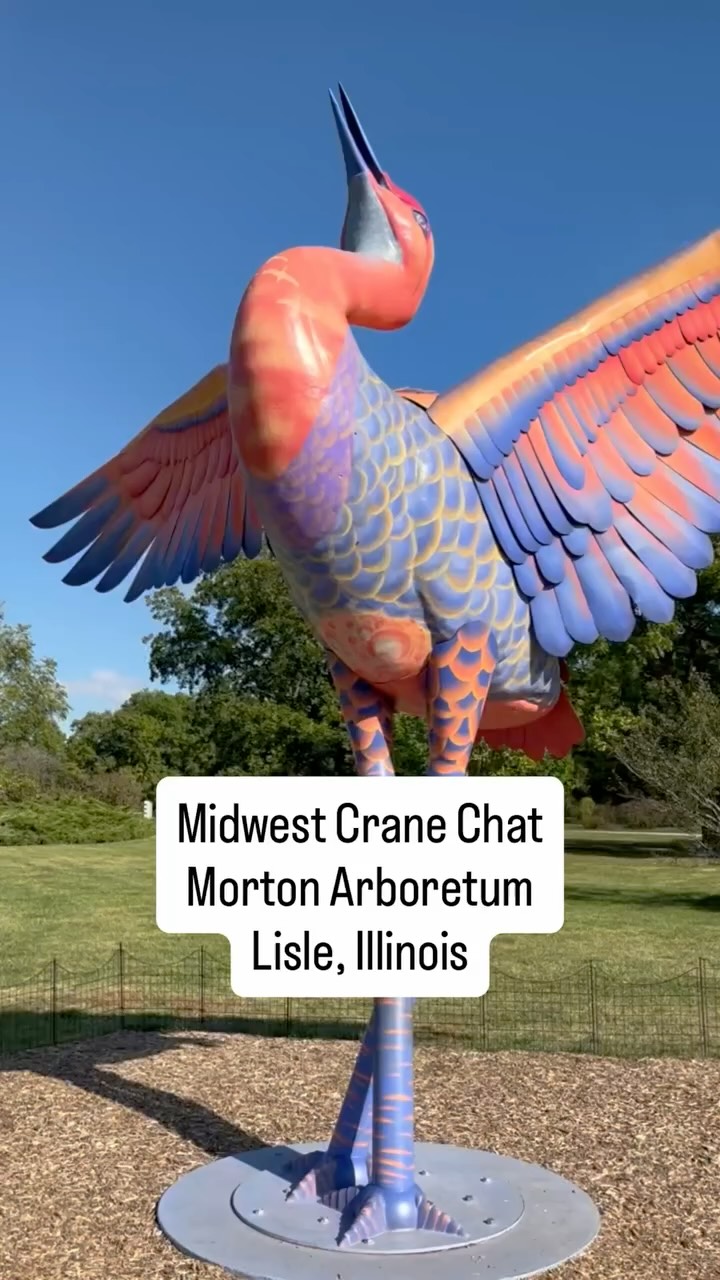
- The significance of crane conservation in North America
- Overview of the upcoming Midwest Crane Chats
- Insights on the role of local communities in crane preservation
- Key facts about North American crane species
- The contributions of experts in crane conservation
Cranes are not just striking birds; they play significant roles in their ecosystems and are vital indicators of environmental health. In North America, crane populations have faced numerous challenges, thus underscoring the importance of conservation efforts aimed at their protection. Their elegant stature and unique behaviors have captured the fascination of bird watchers and nature lovers alike.
The Midwest Crane Chats series is an exciting opportunity for those interested in cranes and their conservation. Scheduled in various locations across the Midwest, the Crane Chats will provide platforms for sharing knowledge and fostering community involvement in conservation efforts. The events kick off tonight in Lisle, Illinois, where attendees will gain insights into the world of cranes from leading experts.
Continuing this series will be events in Carmel, Indiana, Valparaiso, Indiana, and Madison, Wisconsin. Each event will feature a presentation and a Q&A session with crane expert Anne Lacy, whose wealth of knowledge will help demystify the challenges these birds face. Offering free access to anyone interested, these events aim to build a community devoted to crane preservation.
Local communities play a critical role in the conservation of crane populations. By engaging community members through educational presentations, such as the Crane Chats, the International Crane Foundation seeks to create a network of informed advocates. Involvement can range from simple acts like birdwatching to more dedicated efforts in local conservation tasks, reflecting a deep-rooted connection between people and nature.
In North America, there are several well-known crane species, including the Sandhill Crane, the Whooping Crane, and the Common Crane. Sandhill Cranes are widespread and known for their migratory patterns across North America. Their adaptations to various habitats contribute greatly to their resilience. Meanwhile, the Whooping Crane, with its striking white feathers and long wingspan, is one of the continent’s most endangered bird species. Conservation initiatives focused on protecting their breeding grounds and migration routes have seen gradual success, highlighting the need for sustained efforts.
The contributions of experts like Anne Lacy cannot be understated. With extensive research in crane behavior, population dynamics, and habitat management, Lacy has been pivotal in many conservation projects across North America. Her insights into crane communication, breeding habits, and environmental threats enrich community understanding and engagement.
Cranes are also vital indicators of land health. Their presence often correlates to the overall well-being of wetlands and grasslands, ecosystems essential for numerous wildlife species. Protecting cranes not only aids their survival but also helps maintain the ecological balance of these rich environments.
Participating in educational events like the Midwest Crane Chats can cultivate a broader interest in wildlife conservation beyond cranes. Workshops and discussions are crucial avenues to foster connection, increasing awareness about sustainable practices and the importance of biodiversity. Attendees leave not just with newfound knowledge, but with practical actions they can take in their communities.
The events will also encourage dialogue among crane enthusiasts, allowing for the sharing of personal experiences, tips for observing cranes in the wild, and methods for contributing to ongoing conservation efforts. Each city in which a Crane Chat is held has its local environment and community-specific challenges. The insights offered during these discussions can vary widely, enriching the overarching knowledge pool about cranes.
One approach to community involvement is habitat restoration. Many areas in the Midwest have seen their local wetlands and grasslands degraded. By participating in local conservation efforts, community members can directly assist in habitat restoration initiatives. Such projects may involve planting native vegetation, removing invasive species, or even creating nesting sites for cranes and other wildlife.
Technological advancements have also played a critical role in crane conservation. Organizations now use toolsets that include satellite tracking to monitor migratory patterns, ensuring conservation efforts are well-directed and tailored to actual needs on the ground. The information gathered provides essential data for making informed decisions and shaping future conservation strategies.
The benefits extend beyond crane populations; healthy ecosystems support a myriad of species, thus maintaining biodiversity. Educational events not only raise awareness but also inspire actionable steps. Workshop attendees can blossom into advocates for wildlife conservation, developing programs at local schools or directing funds toward environmental causes.
Cranes play significant cultural roles in many societies as well. Various Native American tribes and other cultures celebrate these birds through stories and artistry. Engaging with local traditions often opens new avenues for conservation conversations. By intertwining cultural relevance with formal educational efforts, we foster a more profound respect for these birds.
Scientific research continues to deepen our understanding of cranes. Recent studies, for example, have illuminated the impact of climate change on crane migration patterns and nesting success. As these birds face shifting environments, ongoing research is critical for developing adaptive management practices.
The role of organizations such as the International Crane Foundation cannot be overstated. Their commitment to global crane conservation reflects the interconnectedness of local and international efforts. Collaboration with partners worldwide helps share valuable information and strategies that benefit crane populations everywhere.
Throughout these educational meetings, the focus remains on empowering communities. Each participant is encouraged to realize the impacts their engagement can have, both for the cranes and for the broader ecosystem. This empowers individuals to take ownership of local environmental issues and fosters a sense of community responsibility.
As attendees learn about crane conservation, they also discover ways to approach wildlife protection holistically. Through local projects, they can create and sustain environments favorable for cranes while also addressing other local wildlife needs. This multi-species approach is crucial for developing healthy, resilient ecosystems.
Midwest Crane Chats also represent a convergence of ideology and practical action. They offer critical learning experiences, allowing individuals from diverse backgrounds to unite under the common goal of protecting these majestic birds. Conversations can inspire collaborative initiatives that bridge gaps between urban and rural stakeholders in conservation efforts.
Ultimately, the grassroots movements launched through such events can lead to transformative changes. Whether increasing local volunteerism or fostering advocacy for policy changes, the ripple effects of these gatherings will extend far beyond the initial discussions. It showcases how individuals can collectively work toward achieving lasting benefits for crane populations and the ecosystems they inhabit.
Each Midwest Crane Chat aims to mobilize community engagement and promote broader awareness of conservation strategies. By joining these discussions, attendees become stakeholders in the preservation of their natural surroundings. The Midwest Crane Chats offer a unique chance for local residents to engage with conservation experts, enhance their knowledge, and make tangible contributions to the preservation of cranes.
As more individuals join the conversation surrounding crane conservation, the potential for impactful change grows. The collective efforts of community members can help revitalize local bird populations, transform ecosystems, and instill a long-lasting appreciation for wildlife. Through events like the Crane Chats, not only do participants learn about cranes, but they also are encouraged to advocate for their protection actively.
Educating oneself about the critical role cranes play in our environment unifies communities. It empowers people to take action, ensuring robust populations of these birds for future generations to appreciate. Each event carries the potential to inspire local stewardship, fostering deeper connections between communities and their natural environments.
*****
Source Description
🍂 Attention, Midwest craniacs: We are heading your way with a series of free Crane Chats near you this season—we are in Lisle, Illinois tonight! You’ll meet fellow crane enthusiasts, learn about cranes in your backyard, and discover connections to crane conservation worldwide. Join us for a presentation and Q&A with our North American crane expert Anne Lacy:
Remaining presentations:
Wednesday, Oct. 15, 3 p.m. Cool Creek Nature Center, Carmel, Indiana
Thursday, Oct. 16, 3 p.m. Valparaiso University, Valparaiso, Indiana
Friday, Oct. 17, 6 p.m. Monona Terrace, Madison, Wisconsin
Midwest Crane Chats are free and open to anyone. To help us plan and to reserve your spot, please register at savingcranes.org
📸 Sara Gavney Moore/International Crane Foundation
