
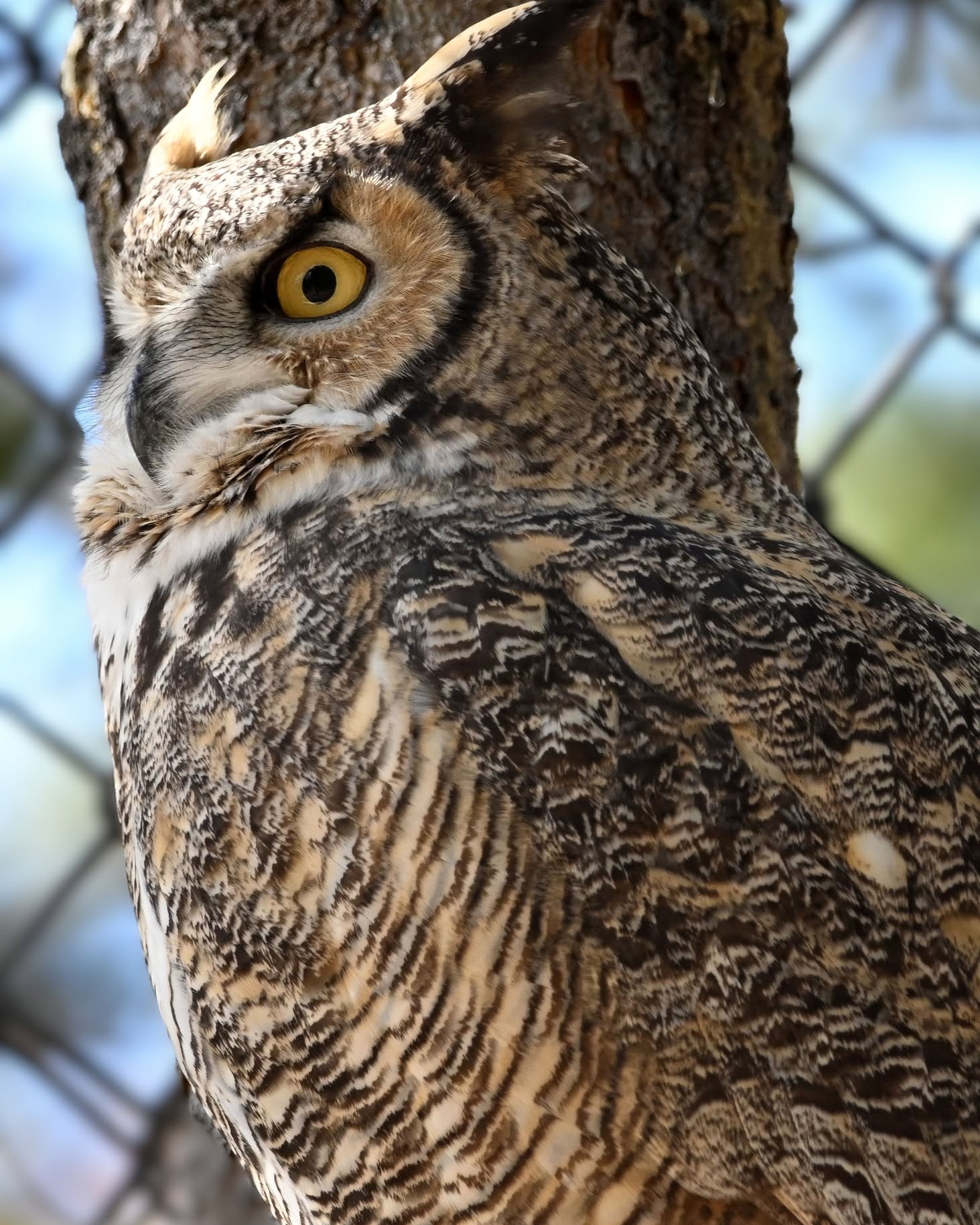
- The biology and behavior of Great Horned Owls.
- The ecology and habitat preferences of Red-tailed Hawks.
- The significance of these raptors in ecosystem balance.
- Conservation efforts and challenges faced by avian species.
- The future presence of Bald Eagles and Turkey Vultures in aviaries.
Understanding the biology and behavior of Great Horned Owls paints an important picture for both wildlife enthusiasts and conservationists alike. These formidable birds of prey belong to the family Strigidae and are known for their tufted “horns,” which are actually feathered tufts. Adults commonly weigh between 2 to 5.5 kg (4.4 to 12.1 lbs) with a wingspan that reaches up to 1.5 meters (5 feet). They possess strong talons, a sharp beak, and exceptional night vision. A notable feature of their hunting strategy is their ability to fly silently, which they achieve through specialized wing feather structure. This trait helps them approach unsuspecting prey, primarily small mammals, birds, and even reptiles.
Great Horned Owls are highly adaptable and can be found in various habitats, from forests to urban areas. Their vocalizations, which include deep hoots, are often heard at night and serve various functions, including territory establishment and mating calls. The Great Horned Owl’s reproductive process is intriguing; they often use nests built by other large birds, such as hawks, or choose tree cavities. Nesting occurs earlier than most other birds, typically between January and March, allowing their young to fledge early in the spring when prey is abundant.
The Red-tailed Hawk, another significant raptor, captures attention with its beautiful plumage and impressive hunting techniques. These birds can range from 0.6 to 1.5 kg (1.3 to 3.3 lbs) with wingspans of about 1.2 meters (4 feet). This species is easily identifiable by its bright red tail, which becomes more pronounced as it matures. Known for soaring high above fields and woodlands, the Red-tailed Hawk scans the ground for prey, primarily small mammals. Their keen eyesight enables them to spot potential meals from great heights, and their hunting technique often involves a dramatic dive to capture unsuspecting creatures.
The ecology surrounding Red-tailed Hawks is equally intriguing. They thrive in open spaces such as fields, deserts, and even suburban areas. This adaptability has allowed them to spread across North America, with an estimated population of around 1 million. Their presence helps regulate small mammal populations, maintaining a balanced ecosystem. These hawks are often seen perched on roadside utility poles or soaring in the sky, making them a familiar sight for many.
As these birds make their way out to their aviaries for the season, their role in maintaining ecosystem balance becomes ever more critical. Both species contribute to controlling rodent populations, which, if left unchecked, could lead to the overbrowsing of vegetation. This ecological interaction emphasizes the significance of both Great Horned Owls and Red-tailed Hawks within their respective habitats.
In addition to their ecological importance, conservation efforts targeting avian species remain crucial. Both Great Horned Owls and Red-tailed Hawks face several challenges including habitat loss, poisoning from rodenticides, and collisions with vehicles. Organizations dedicated to wildlife conservation actively monitor these species and implement necessary protection strategies, including habitat preservation and public education initiatives.
Furthermore, the imminent arrival of Bald Eagles and Turkey Vultures to aviaries underscores a broader trend in avian conservation. Bald Eagles, once endangered due to habitat destruction and pesticide use, have made a remarkable recovery thanks to conservation efforts, breeding programs, and environmental regulations. Their return symbolizes a success story in wildlife management and the importance of continued protections.
Turkey Vultures, often overlooked in discussions about raptors, play a crucial role in the ecosystem as scavengers. They primarily feed on carrion, helping to prevent the spread of diseases. Their flight patterns and social behavior also contribute to recycling nutrients back into the environment. As vultures return to their aviaries, their role in the ecosystem provides an excellent opportunity for public education on the importance of every species, big or small.
The presence of these birds in aviaries serves a dual purpose. They provide critical educational experiences for visitors while simultaneously creating a safe environment for understanding avian behaviors and characteristics. Many zoos and conservation organizations work to educate the public about the significance of these species, their habitats, and the challenges they face in the wild.
Creating awareness around these avian species involves not only discussing their remarkable biology but also their roles in the cultural and ecological landscapes. For instance, both the Great Horned Owl and the Red-tailed Hawk hold symbolic meanings in various Native American cultures, often representing wisdom and strength. Incorporating such cultural significance into public outreach can deepen the community’s connection and commitment to wildlife conservation.
As we anticipate the arrival of Bald Eagles and Turkey Vultures, it becomes critical to appreciate the interconnectedness of these raptors within ecosystems. Each species adds a layer of complexity and stability, and protecting one often supports the survival of others. Ongoing efforts to restore habitats, reduce human-made hazards, and create safe breeding grounds are essential.
In summary, the seasonal emergence of Great Horned Owls and Red-tailed Hawks poses an opportunity for wildlife enthusiasts and conservationists alike. Their fascinating biology and behavior, along with the essential roles they play, highlight the intricate balances within ecosystems. Moreover, the anticipation of Bald Eagles and Turkey Vultures arriving in aviaries provides a broader context for ongoing avian conservation efforts.
As raptors continue to adapt to changing environments, collaboration between wildlife management, conservation organizations, and the community is paramount. This cooperative approach can pave the way for successful initiatives aimed at protecting and preserving these exceptional species for future generations. An informed public is a powerful ally in conservation, creating a united front to promote sustainable practices and protect wildlife habitats.
In the face of numerous challenges, the ongoing efforts to monitor and rehabilitate these majestic birds emphasize the importance of vigilance in conservation. Supporting local and national organizations striving for wildlife protection can enhance our shared resolve to foster healthier ecosystems. Whether through volunteering time, donating resources, or simply educating oneself, every action contributes to the overarching mission of protecting raptors and their habitats.
Thus, as the Great Horned Owls and Red-tailed Hawks grace aviaries for the season, they inspire not only awe and admiration but also a commitment to focused conservation efforts that can affect positive change.
*****
Source Description
The Great horned owls and Red-tailed hawk have made their way out to their aviaries for the season. They will be followed by the Bald eagles and Turkey vulture in the very near future.
