
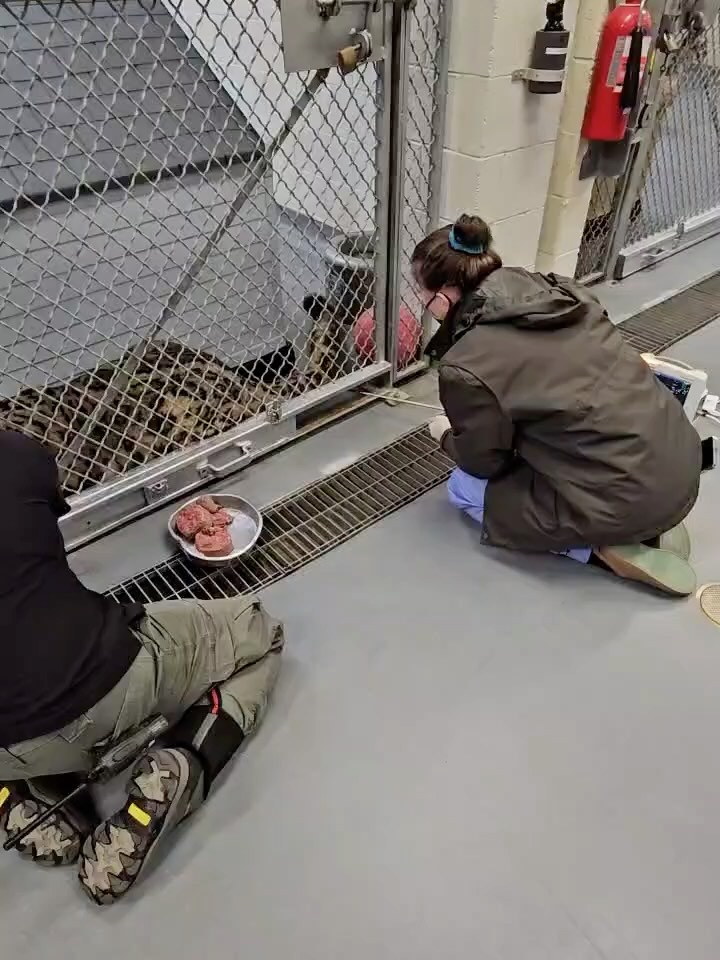
- Our training methods for snow leopards support veterinary care without sedation.
- The importance of habituation and positive reinforcement in animal training.
- Operational setup for training sessions in a safe and controlled environment.
- Ongoing monitoring and evaluation of animal health through regular procedures.
- Enhancing animal welfare through voluntary participation in veterinary activities.
Training methods for snow leopards focus on allowing these majestic animals to be examined and treated by veterinary staff without the need for sedation. This innovative approach not only safeguards the well-being of the snow leopards but also enhances the efficiency of veterinary care. By enabling trained snow leopards to position themselves for routine blood pressure tests, the welfare of the animals is prioritized, creating a stress-free environment. Throughout this process, animal welfare is a driving force, underscoring the dual objectives of health monitoring and ethical treatment.
The mechanics of the training involve positive reinforcement techniques that can significantly influence animal behavior. The snow leopards are encouraged to associate medical procedures with rewarding experiences, primarily through the use of meaty treats when they maintain desired positions. The success of this training relies heavily on the principles of operant conditioning, where behaviors followed by a rewarding stimulus are reinforced. This method not only builds trust between the animals and their caretakers but also ensures that the animals remain comfortable during the necessary medical examinations.
Regular training sessions are integral to maintaining the consistency of the trained behaviors in the snow leopards. These sessions take place in the snow leopards’ off-exhibit night quarters, which are specifically configured to facilitate routine veterinary tasks. This controlled environment is optimized for safety and comfort, creating an atmosphere where the snow leopards can engage in training without distractions or stressors. Welfare considerations are paramount; thus, the quarters are designed to be both functional and enriching.
Within these specialized quarters, keepers employ a method involving a hook to assist in positioning the snow leopards’ tails. This technique is executed with care, as ensuring the animal’s comfort and safety is critical. Veterinary technician Nina, as part of the veterinary team, utilizes this positioning to effortlessly obtain vital health metrics such as blood pressure. While the snow leopards enjoy a meaty reward, they are conditioned to remain still, allowing for accurate monitoring. This tactical framework illustrates the effectiveness of employing well-designed behavioral training strategies in veterinary care.
Maintaining animal health is an ongoing concern in zoological institutions, and routine evaluations such as blood pressure tests contribute significantly to this effort. Blood pressure is a crucial health indicator and can reveal a variety of underlying health issues. By conducting these assessments regularly, the veterinary team can react quickly to signs of distress or illness. This proactive approach to health monitoring exemplifies effective wildlife management in a zoological setting, where the needs of the animals are always prioritized.
The training of snow leopards doesn’t stop at blood pressure tests. These majestic cats are also trained to station themselves for blood draws and voluntary injections, which are essential for vaccinations or necessary medications. Vaccination programs are a cornerstone of preventative health care. They protect the snow leopards from potential pathogens and diseases, thereby supporting an overall robust health profile. The combination of training and behavioral conditioning enables the animals to participate willingly in these vital health procedures, which are often routine but can be crucial for their well-being.
Effective training necessitates an ongoing commitment to both the snow leopards and the keepers involved in their care. Regular scheduling of training sessions helps cement learned behaviors, strengthening the bond shared between the animals and their caretakers. Additionally, this routine enables the veterinary staff to recognize any shifts in the animals’ behavior or health, providing immediate insights into their condition. Such attentiveness cultivates an environment that favors both animal and caretaker, easing anxiety and creating a cooperative atmosphere for health assessments.
The methodologies employed in training snow leopards serve as a model for animal welfare within zoological facilities. By employing a combination of behavioral enrichment, positive reinforcement, and humane handling techniques, facilities can foster an environment where the health and happiness of animals are paramount. This focus not only serves the animals in their care but also raises awareness about the broader impacts of human-animal interactions in conservation contexts.
The ongoing evaluation of snow leopards’ well-being through these innovative training routines reflects a growing trend in wildlife management, blending animal care with scientific approaches. By refining these methods through consistent monitoring and feedback, both the human and animal partners can enjoy a richer and more fulfilling relationship. This mutually beneficial dynamic between trainers and trained animals echoes the overarching goals of wildlife conservation, emphasizing the significance of collaboration in preserving these species for future generations.
The use of this training not only highlights the imperative of health management but opens up avenues for research and education surrounding snow leopards. Training programs can be disseminated to other institutions, contributing to a wider understanding of animal care, veterinary practices, and the welfare of species under human management. As conservationists strive for better practices, successful behavioral conditioning models can significantly influence how animals are treated in recreational and conservation settings.
Ultimately, the training of snow leopards to participate in their own health checks represents a remarkable evolution in the intersection of animal management and veterinary medicine. By minimizing the need for sedation and incorporating voluntary participation, the practices in place serve not only to enhance health protocols but set a standard for how animals are integrated into routine veterinary assessments. This multifaceted approach ensures safer procedures and respects the animals’ autonomy while working toward their health and longevity.
Innovative approaches in wildlife care reflect an overarching commitment to enhancing animal welfare and facilitating more humane interactions. The ethics of using positive reinforcement for training techniques underscore a significant shift in how wildlife institutions approach health monitoring. Through these careful training strategies, snow leopards and other animals can receive the quality care they need to thrive in their environments.
The implications of such training extend beyond the confines of individual institutions. This growing paradigm impacts conservation efforts globally. As more facilities adopt humane training practices, the potential for improving species populations increases significantly. Trained animals become more adaptable to rehabilitation, and their chances of successful reintegration into their natural habitats rise. Investing in these methods doesn’t merely serve the immediate context but reverberates through conservation strategies aimed at protecting species in the wild.
Furthermore, educating the public about the importance of these techniques can bolster community support for conservation initiatives. Engaging visitors in understanding the role of training in animal care fosters a deeper appreciation of wildlife and helps bridge the gap between human and animal interactions. This knowledge creates advocates for conservation, inspiring future generations to prioritize wildlife preservation.
In navigating the forward path of conservation, the combination of modern veterinary practices and innovative animal training will continue to be instrumental. As more research is conducted and practices refined, the future looks promising for snow leopards and other species in zoological care. It exemplifies how collective efforts in animal management can lead to sustainable and positive outcomes for wildlife both in captivity and in their natural habitats. The comprehensive approach to caring for these magnificent animals through training encourages an ethic of responsibility and commitment as society moves forward in its conservation goals.
*****
Source Description
Our snow leopards have been trained to position (station) so that our veterinary staff can perform routine blood pressure tests without the need for sedation. We schedule the training sessions regularly so that the behavior remains consistent. The snow leopards are also trained to station for blood draws and voluntary injections used for routine vaccinations or medication if needed. This training occurs in the snow leopards’ off-exhibit night quarters which are designed to safely support this activity. In this training, keepers use a hook to safely position the tail allowing veterinary technician Nina to take a blood pressure reading while the snow leopard eats a meaty reward for maintaining its position.
📷: WCS Photographer, Terria Clay
