
- The physical characteristics and behavior of the Green-winged Macaw.
- The natural habitat and diet of the Green-winged Macaw.
- Reproduction and lifecycle of the Green-winged Macaw.
- Threats to their population and conservation efforts.
- The role of zoos in educating the public about the Green-winged Macaw.
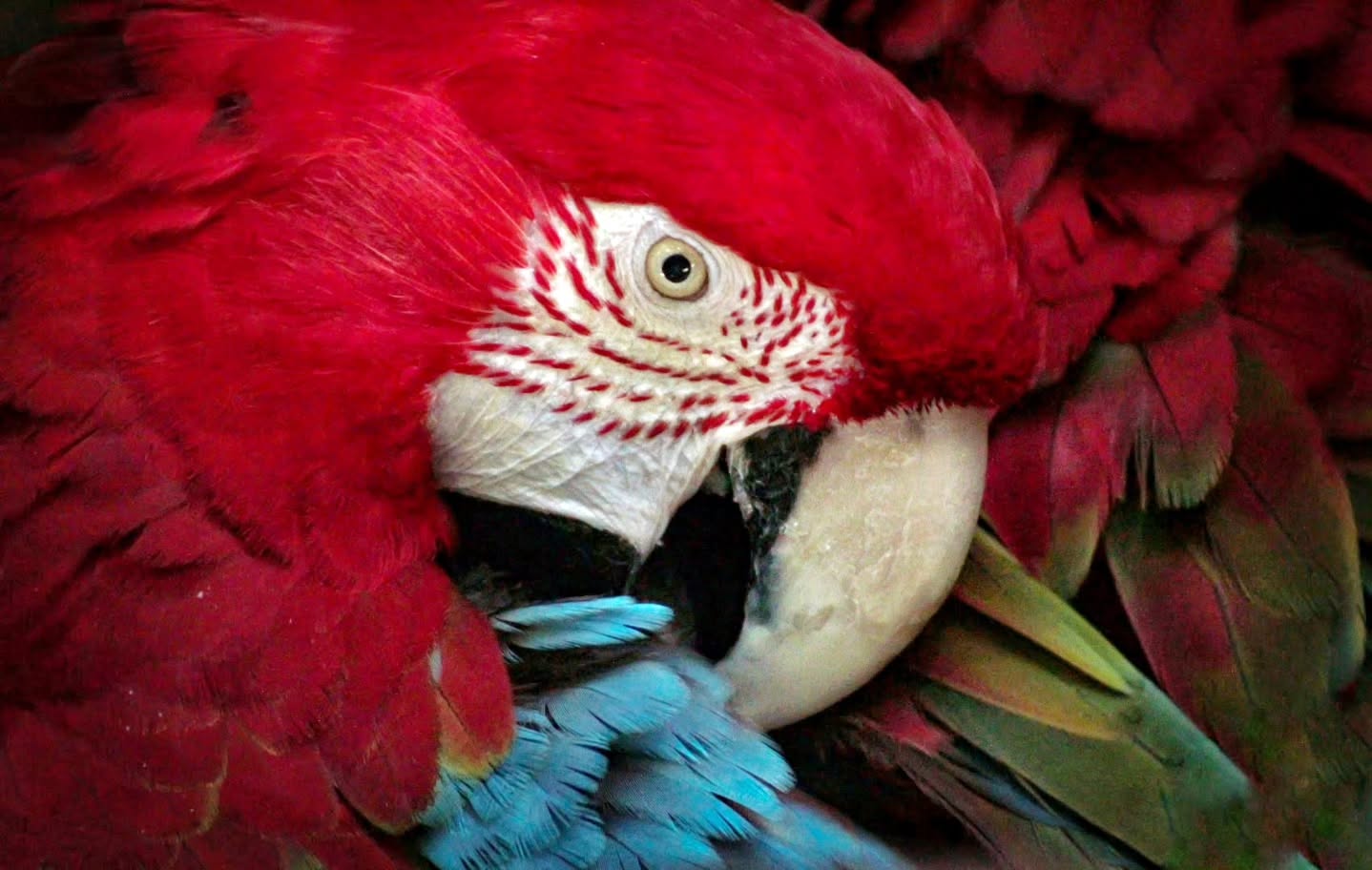
The Green-winged Macaw (Ara chloropterus) is a large and vibrant bird found primarily in South America. This species is notable for its striking plumage, characterized by a combination of vibrant red, green, and blue feathers, which serve both functional and aesthetic purposes. These macaws exhibit various behaviors, including social interactions and vocalizations, that reflect their intelligence and social nature. They are highly vocal and form strong bonds with their partners, often engaging in playful antics within their flocks.
In terms of physical traits, the Green-winged Macaw displays an impressive wingspan that can reach up to 3 feet. Its head is predominantly red with a distinctive patch of green on the wings, complemented by blue tail feathers. This striking color pattern not only helps them communicate within their social structures but also plays a critical role in mate selection. Males and females can be distinguished by the size and shape of their beaks; males tend to have larger, more robust beaks that help them crack open tough nuts and seeds.
In their natural environment, Green-winged Macaws inhabit tropical and subtropical forests, often near rivers and other large water bodies. They are primarily found in areas with abundant fruit-bearing trees, as fruit constitutes a significant portion of their diet. Their food selection includes various fruits, seeds, and nuts, with dietary preferences varying by region. This diet necessitates a high-digestive efficiency, which the Green-winged Macaw achieves through a specialized crop that allows for the fermentation of fibrous plant material.
Reproduction in Green-winged Macaws is a fascinating process that begins with courtship displays. The mating season usually spans from September to December, during which these birds engage in elaborate displays of affection. After successful pairing, the female will lay two to four eggs in a hollowed-out tree. Both parents participate in incubating the eggs, typically for about 28 days. Once hatched, the chicks remain dependent on their parents for food and protection for several months. They fledge roughly three months after hatching, a critical time when they learn essential survival skills.
Like many exotic birds, the Green-winged Macaw faces several threats to its survival, primarily due to habitat loss and the illegal pet trade. Deforestation and land conversion for agriculture significantly reduce their natural habitat. In many regions, these birds are captured for the exotic pet market, further depleting their populations. The International Union for Conservation of Nature (IUCN) has classified the Green-winged Macaw as “near threatened.” This status highlights urgent conservation priorities, including habitat rehabilitation and stricter enforcement against poaching.
Conservation efforts for the Green-winged Macaw are multifaceted, involving various stakeholders, including government agencies, non-profit organizations, and local communities. One approach is to establish protected areas that preserve their habitats, allowing these birds to thrive in their natural surroundings. Education plays a crucial role in these efforts. Programs designed to inform the public about the ecological importance of macaws contribute to a greater understanding of their conservation needs.
Zoos also play an essential role in raising awareness about the Green-winged Macaw. Facilities like Brookfield Zoo focus on educational initiatives, providing visitors with valuable insights into the behavior and ecology of these birds. Zoo programs often include interactive exhibits, feeding sessions, and presentations that allow guests to learn about macaw biology, social structures, and conservation message.
Engagement with the public extends to breeding programs aimed at preserving genetic diversity and facilitating research. These initiatives contribute to the broader understanding of macaw behavior, social structures, and health management practices. By raising awareness and fostering appreciation for these magnificent birds, zoos encourage community involvement in wildlife conservation efforts.
The importance of the Green-winged Macaw goes beyond its captivating appearance. This species is a vital component of its ecosystem, contributing to seed dispersal and forest regeneration. Their feeding habits help maintain the balance in their environment, supporting a diverse array of flora and fauna. The conservation of this macaw thus holds ecological significance, which resonates with biologists and conservationists.
In summary, the Green-winged Macaw embodies not only beauty and intelligence but also highlights critical conservation issues. Through extensive education and awareness initiatives, stakeholders can collaborate to safeguard this remarkable species and its habitat. As environmental stewards, we are tasked with protecting not only the Green-winged Macaw but also the intricate ecosystems they inhabit—ensuring that generations to come can appreciate their splendor.
*****
Source Description
Green-winged Macaw (Ara chloropterus) 📷 @ the @brookfieldzoo
