
- The educational benefits of a field trip to the Queens Zoo
- Key wildlife species to explore and their conservation status
- The role of zoos in education and wildlife preservation
- Practical planning tips for teachers organizing a zoo trip
- Special programs and activities available for school groups
A field trip to the Queens Zoo transforms the conventional classroom into a vibrant, living environment full of wildlife and educational opportunities. This dynamic setting invites students to connect with nature and learn about the intricate relationships that exist within ecosystems. It cultivates curiosity and facilitates experiential learning, making the zoo an ideal environment for educators.
The educational benefits of a field trip to the Queens Zoo extend far beyond observing animals in habitats. Naturally curious, students become engaged when they can interact with their surroundings. Guided by educational signage, they can explore wildlife habitats and learn about animal behavior, anatomy, and biology in real-time. These observations can foster a deeper appreciation for biodiversity and ecosystem dynamics. For teachers, this is a prime opportunity to introduce concepts such as food chains, adaptation, and environmental stewardship in an interactive format.
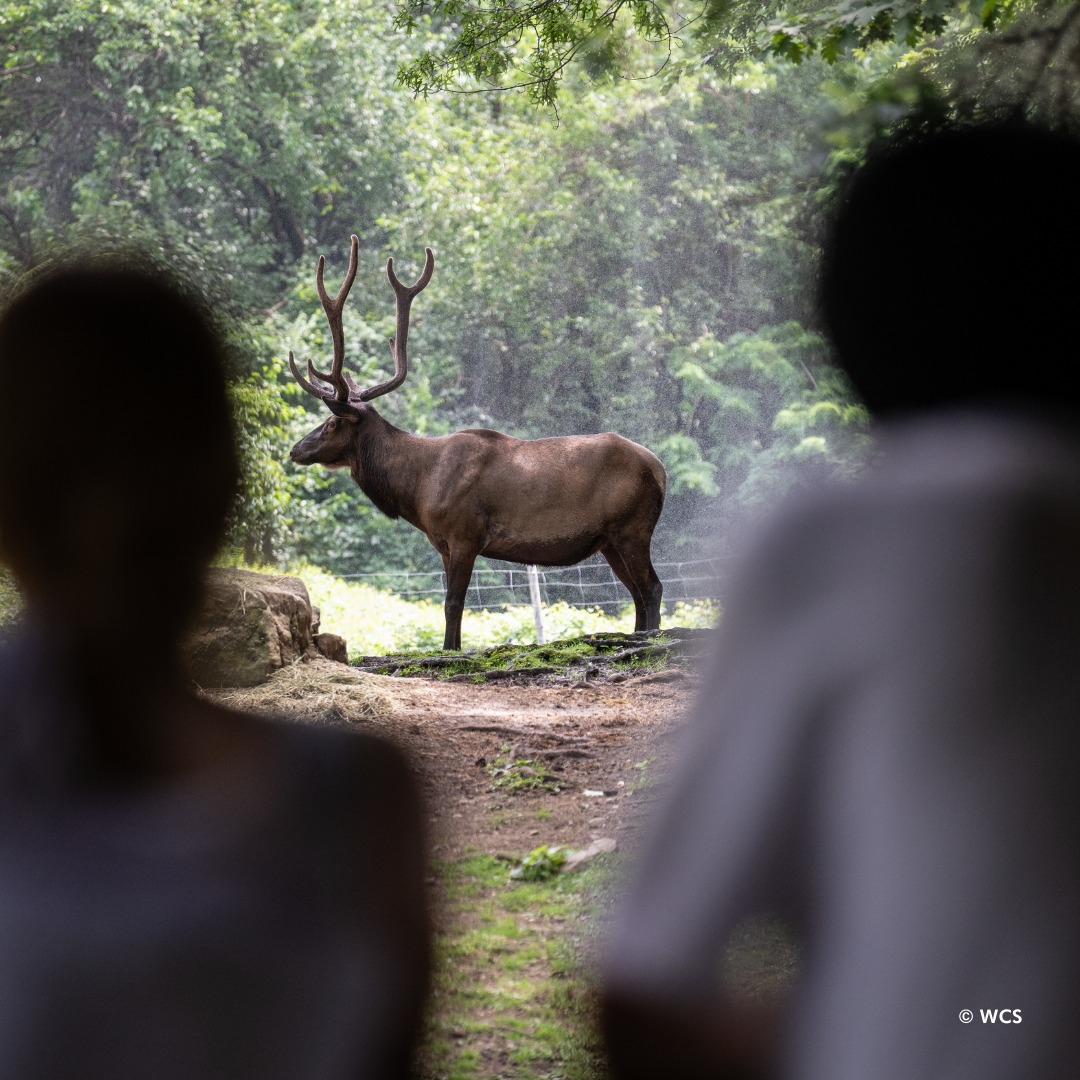
Taking a closer look at the zoo’s inhabitants reveals fascinating species that serve as excellent subjects for study. The Roosevelt elk is one of the many animals visitors can encounter. This large mammal, native to North America, plays a critical role in its ecosystem. Understanding how Roosevelt elk contribute to forest health demonstrates the importance of each species in maintaining ecological balance. Similarly, the pudu, the world’s smallest deer, captivates students while revealing the impacts of habitat loss on smaller species. Discussing these creatures’ roles introduces students to the importance of conservation efforts.
Pumas are another highlight. These elusive predators are emblematic of the wildlife in North America. Their behavior, including territorial instincts and hunting techniques, provides students with insights into predator-prey relationships. Alongside pumas, Andean bears showcase adaptations that allow them to thrive in diverse environments. Exploring the lives of these animals emphasizes the complexities of survival in changing climates and habitats. Each species’ unique adaptations offer rich material for ecological discussions around adaptation and survival.
The role of zoos in education extends beyond species observation. The Queens Zoo embodies a commitment to wildlife preservation and education. This dual mission enriches students’ understanding of the challenges biodiversity faces today. Zoos collaborate with conservation organizations to provide critical information and funding for research initiatives. Programs aimed at habitat restoration and species recovery involve students in real-world challenges, instilling a sense of agency regarding environmental issues. Understanding how zoos contribute to global conservation efforts highlights the interconnectedness of wildlife and human impacts.
Practical planning tips are essential for teachers looking to organize a successful zoo trip. Begin by reviewing the zoo’s website to explore available resources, special rates, and educational material. Booking a self-led field trip allows teachers to create a customized itinerary. It’s vital to align the visit with specific learning objectives. Be sure to prepare students with background information on species of interest. This grounding will enhance their engagement and understanding during the visit.
Consider preparing pre-visit activities that introduce students to basic zoological concepts. These could include interactive lessons about animal habitats, diet, and conservation efforts. Discussing safety measures is also recommended, ensuring students understand expectations for behavior while exploring the zoo. Providing students with field guides to fill out can promote active observation, encouraging them to look for specific animals and behaviors. These guides can serve as a springboard for post-visit discussions or projects.
Communicating with zoo staff can also enhance the experience. The Queens Zoo offers educational programs tailored for school groups, including guided tours and animal encounters. These programs often include hands-on experiences that encourage deeper understanding of wildlife biology. Teachers should consider integrating such opportunities into their trip plans.
Special programs and activities available for school groups further enhance the educational experience at the Queens Zoo. The zoo offers workshops that may focus on themes like animal behavior, habitats, and conservation science. These programs often include interactive learning experiences that align with curricular goals. They serve as excellent complements to self-led explorations, providing specialized insights into specific areas of interest.
Moreover, the zoo’s commitment to educating young minds about wildlife and habitats forms an integral part of its mission. Engaging students in these educational programs fulfills the broader goals of instilling respect and curiosity about the natural world. They encourage young learners to ponder their roles in wildlife conservation and appreciation.
Additionally, these trips can serve as catalysts for ongoing discussions about the environment. After the visit, students can be encouraged to participate in projects that promote local conservation efforts, further extending their learning journey. Teachers might organize activities such as habitat restoration projects or citizen science initiatives, reinforcing lessons learned during the zoo visit.
In conclusion, a visit to the Queens Zoo offers teachers and students an exceptional opportunity to engage with wildlife education. By immersing students in a rich, interactive environment, these field trips can enhance understanding of complex biological concepts and the importance of conservation. With thoughtful planning and alignment with educational goals, trips to the zoo can inspire the next generation of environmental stewards. The invaluable lessons gleaned from observing animals in a naturalistic setting can resonate long after the trip, fostering lasting connections to wildlife and the environment.
Educators are encouraged to seize the chance to bring the rich, educational tapestry of the zoo into the classroom context. The potential for growth in understanding and appreciation of animal life and environmental conservation within the students is immense. As the Queens Zoo proclaims, this living classroom awaits, bringing the extraordinary variety of wildlife to the forefront of education.
*****
Source Description
📣Calling all teachers! Imagine the entire zoo as your classroom for a day! Take your class on a self-led field trip to the Queens Zoo and let them explore our exciting exhibits and wonderful wildlife in the heart of Queens. Introduce them to Roosevelt elk, pudu, pumas, Andean bears, and more! We offer special discounted rates for school groups. Book your next class trip today: Link in Profile.
📸: WCS photographer, Terria Clay
