
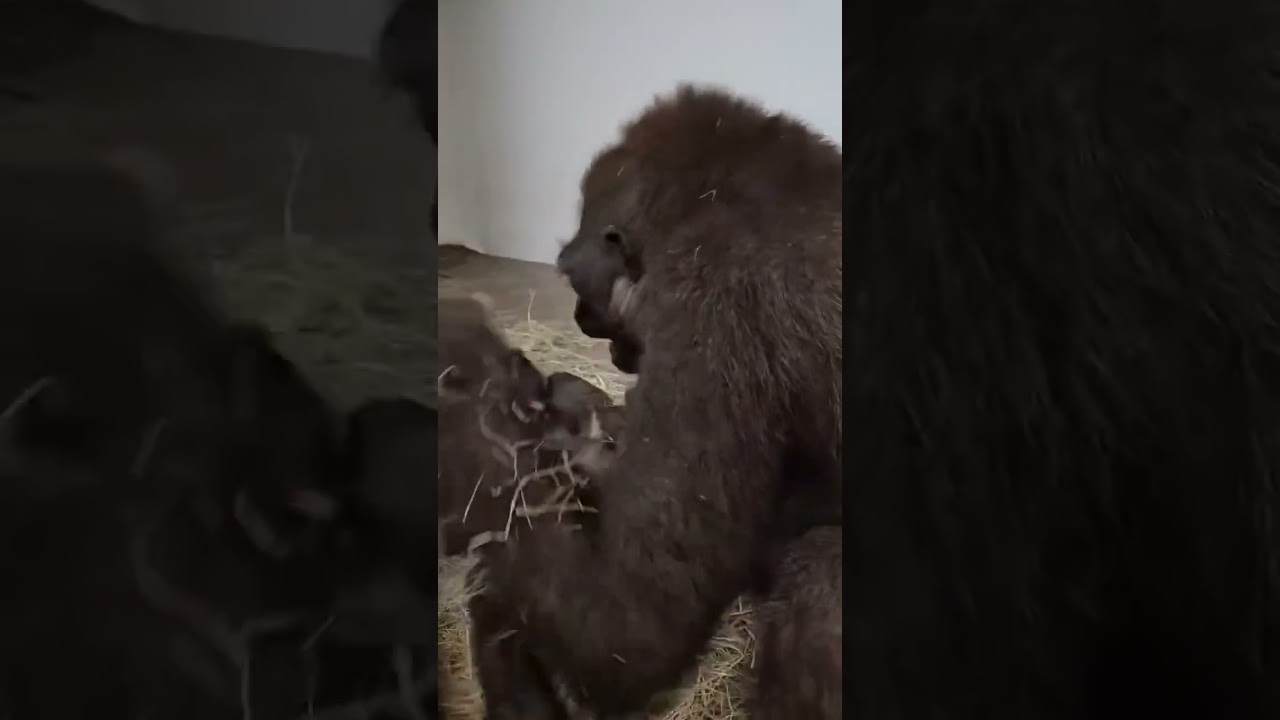
- Understanding the Significance of “Hay there, brother! 🌾” in Animal Diet and Enrichment
- Examining the Challenges of Zoo Management and Animal Welfare
- Exploring Wildlife Conservation Efforts Linked to Agricultural Practices
- The Role of Zoology in Animal Behavior and Ecosystem Balance
- The Impact of Educational Outreach on Public Awareness and Conservation
“Hay there, brother! 🌾” evokes a sense of familiarity with agricultural practices that play a significant role in wildlife care and habitat management. This phrase connects two critical aspects: the relationship between farming resources and the well-being of captive and wild animals. It is essential to explore how hay and other agricultural products contribute to diet, health, and behavioral enrichment in animals.
Understanding the Significance of “Hay there, brother! 🌾” in Animal Diet and Enrichment
Hay is a vital component in the diet of various herbivores, providing necessary fiber and nutrients. The quality of hay can directly affect the health of animals in captivity, such as those in zoos or wildlife sanctuaries. High-fiber diets are crucial for proper digestive function and overall well-being.
Beyond nutrition, hay is used for enrichment. Animals like elephants and primates exhibit natural foraging behavior. Incorporating hay into their habitats encourages these activities, promoting both mental and physical health. Enrichment is not an extra luxury but a necessity to prevent boredom and related stress in captive animals.
Examining the Challenges of Zoo Management and Animal Welfare
Zoo management is a complex field requiring knowledge in animal care, facility operations, and guest engagement. Managers must balance the needs of the animals with educational mandates and financial constraints. One of the primary challenges is maintaining naturalistic environments that allow animals to exhibit normal behaviors.
Incorporating agricultural products like hay effectively requires an understanding of each species’ natural diet and habitat requirements. This knowledge helps create enriching environments that mimic the wild as closely as possible. Managers must also ensure that hay is sourced sustainably, considering the environmental impact of agricultural practices.
Exploring Wildlife Conservation Efforts Linked to Agricultural Practices
Wildlife conservation extends beyond the direct protection of animals to include sustainable land use and farming practices. Agriculture impacts habitat availability and quality, affecting both biodiversity and ecosystem health. Initiatives that promote sustainable agriculture can reduce habitat destruction and support conservation goals.
Conservation efforts often involve collaboration between farmers, conservationists, and scientists. By developing agricultural practices that are wildlife-friendly, it is possible to protect habitats while still meeting human nutritional needs. This collaboration is essential for maintaining biodiversity and ecological resilience.
The Role of Zoology in Animal Behavior and Ecosystem Balance
Zoology is pivotal in understanding animal behavior and its role in ecosystem dynamics. Research in this field helps inform practices in both zoo management and conservation. For example, studies on herbivorous animals highlight the importance of dietary fiber and social interactions, which can be replicated in captive settings to enhance welfare.
Scientific insights into animal behavior and interactions can guide the development of more effective conservation strategies. By understanding the ecological roles of different species, conservationists can prioritize efforts to maintain ecosystem balance and support biodiversity. This understanding is crucial for addressing challenges like habitat fragmentation and climate change.
The Impact of Educational Outreach on Public Awareness and Conservation
Educational outreach is a critical aspect of zoo and wildlife management. Proper education can lead to increased public support for conservation efforts and sustainable practices. Zoos and wildlife centers play a vital role in educating visitors about the importance of agriculture in animal care and conservation.
Programs that highlight the connections between farming, animal welfare, and environmental health can inspire individuals and communities to engage in pro-conservation behaviors. Education fosters a deeper understanding of conservation challenges and the importance of sustainable practices, driving collective action toward wildlife protection.
By exploring the interconnectedness of agriculture, zoology, and conservation, we can better understand the challenges and opportunities in caring for wildlife in both captive and natural environments. This holistic approach is vital for ensuring that all species thrive in a world where human influence is ever-present.
*****
Source Description
Keeper Angie spotted Gus and Bruno playing around in one of their behind the scenes areas! Are those giggles we hear? 👀🩶🥹
