
- The significance of ducks in ecosystems and culture
- Behavioral traits of ducks that demonstrate their adaptability
- The relationship between ducks and human conservation efforts
- Insights into duck habitats and their requirements
- The impact of climate change on duck populations
Ducks play a vital role in both ecosystems and human culture. As waterfowl, they contribute significantly to the health of wetlands and aquatic systems. Ducks help to manage aquatic vegetation by feeding on various plant species, which in turn supports diverse wildlife populations. They play a role in pest control by consuming insects and larvae, thus maintaining ecological balance. Beyond their ecological contributions, ducks are integral to human traditions, serving as subjects in art, literature, and cuisine.
Their adaptability prepares them for numerous environments, showcasing behavioral traits that often fascinate observers. For instance, ducks exhibit a range of foraging strategies. Some species dive for food while others tip their bodies forward in the water to reach submerged vegetation. Their feather coloration and patterns also provide camouflage, aiding in predator avoidance. The ability to migrate is another remarkable trait seen in many duck species. They travel substantial distances seasonally to exploit different habitats and food sources. This behavioral flexibility reflects a deep-rooted instinct for survival.
Human conservation efforts have increasingly recognized the importance of ducks. Organizations across the globe are working to protect their habitats, recognizing that these efforts also benefit a multitude of other species. Wetlands, which are crucial for duck populations, provide essential ecosystem services such as water filtration and flood regulation. Projects aimed at restoring wetland areas not only help ducks but also improve water quality and enhance biodiversity.
Duck habitats are diverse, encompassing freshwater lakes, ponds, marshes, and coastal wetlands. The type of habitat a duck species prefers often dictates their feeding, breeding, and migratory behaviors. For example, dabbling ducks thrive in shallow waters with abundant vegetation, while diving ducks favor deeper bodies of water. To maintain healthy duck populations, it is essential to protect and restore these habitats, ensuring they have the elements necessary for survival, including food sources, nesting sites, and safe areas free from disturbance.
Climate change poses a significant threat to duck populations worldwide. Shifting weather patterns, rising temperatures, and altered precipitation rates can impact breeding success, migration timing, and habitat availability. Ducks are particularly vulnerable during their breeding seasons. Changes in water levels can destroy nests or leave them exposed to predators. Additionally, fluctuating temperatures may affect the availability of food sources, complicating the challenges ducks face in securing adequate nutrition.
The adaptability of ducks serves as a testament to their resilience. However, ongoing changes in their environment call for concerted conservation efforts. By promoting sustainable practices and raising awareness about the importance of protecting duck habitats, we can work towards a future where both ducks and their ecosystems thrive.
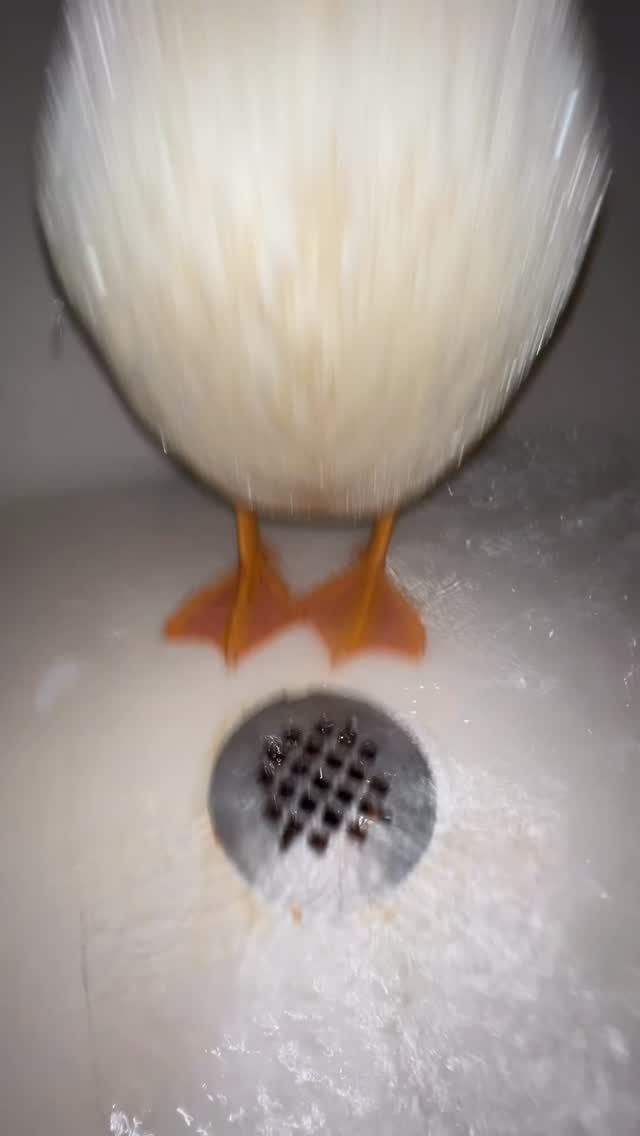
Ducks, such as those showcased in social media snippets like “This duck just gets it,” often serve as representations of resilience and adaptability. These portrayals resonate with audiences, highlighting not just the charm of duck behaviors but also the underlying ecological significance of their existence. Engaging with such content can foster a greater appreciation for wildlife and encourage proactive conservation initiatives.
Monitoring duck populations through observation and research is vital. Tracking their numbers provides insights into habitat health and overall environmental conditions. Citizen science projects often invite individuals to report sightings, thereby expanding the pool of data available for scientists. Such collaborations between the public and research communities can make substantial contributions to our understanding of these species.
Educational programs focusing on wildlife conservation help to engage communities and promote stewardship. Through workshops, nature walks, and interactive learning, individuals can develop a deeper connection to their local environments. Learning about the significance of ducks and their habitats can motivate people to advocate for sustainable practices in their own lives.
The promotion of ethical hunting practices is also an essential aspect of duck conservation. Regulated hunting seasons ensure that populations are managed sustainably, allowing for both recreational opportunities and conservation. By adhering to approved guidelines, hunters contribute to maintaining healthy ecosystems, balancing recreational needs with environmental responsibilities.
Ducks serve as indicators of environmental health. Their presence and population trends often reflect broader ecological changes. Hence, understanding the behaviors and habitats of these birds can yield valuable information regarding the state of wetland ecosystems and freshwater environments.
The social dynamics of ducks also present an area of interest. Many species exhibit strong social bonds, often seen in the way they interact within flocks. During migration, these interactions are crucial for navigation and safety as they rely on group cohesion to fend off predators. Observing these social behaviors not only enhances our understanding of duck dynamics but can also inspire deeper connections in human social contexts.
Wetland conservation efforts increasingly focus on community involvement. When local communities are engaged in protecting and restoring duck habitats, there tends to be greater success in achieving long-term sustainability. Educating the public on the functions of wetlands and their importance to waterfowl can foster a sense of ownership and responsibility. Such engagement strategies drive home the point that conservation is a shared responsibility.
From a biological perspective, ducks exhibit remarkable diversity. With over 120 species worldwide, they range in size, coloration, and habitat preferences. This diversity underscores the need for comprehensive conservation strategies that consider specific species’ requirements. Understanding the ecological niche each species occupies allows for targeted efforts that can lead to more effective conservation outcomes.
Furthermore, duck breeding behaviors vary significantly across species. Some species, like the mallard, are highly adaptable and can breed in various habitats, while others have specific preferences that must be met for successful reproduction. Knowledge of these breeding preferences informs management strategies aimed at enhancing nesting success and chick survival rates.
Urbanization impacts ducks to a notable extent. As human populations grow, natural habitats are increasingly converted into urban landscapes. Implementing wildlife-friendly designs in urban planning can greatly benefit duck populations. Features such as constructed wetlands, preserved riparian buffers, and accessible green spaces can create supportive environments for ducks even within urban areas.
Conservation organizations often conduct habitat assessments to evaluate suitability and health. These assessments involve analyzing water quality, vegetation cover, and the presence of invasive species. This data guides restoration initiatives, ensuring that actions taken are scientifically grounded and targeted towards enhancing duck habitats.
In summary, the interactions between ducks and their environments reflect a complex web of ecological relationships. The importance of their adaptability highlights not just their survival strategies, but also the systems in which they exist. Communities that embrace conservation efforts can significantly impact the longevity and health of duck populations and their habitats.
Ducks resonate with people across cultures, making them powerful ambassadors for wildlife conservation. Programs designed to educate the public are essential for inspiring future generations. Social media platforms occasionally elevate the visibility of these creatures, connecting people to nature in unexpected ways. Engaging visuals, such as the “This duck just gets it” phenomenon, perfectly encapsulate this connection, promoting awareness while celebrating the natural world.
Ultimately, our understanding of the significance of ducks in ecosystems can galvanize action. By embracing a comprehensive approach to education, conservation, and urban planning, societies can create environments where ducks thrive alongside humans. As both ecosystems and cultures continue to interact, the future of ducks, and the various benefits they offer, stands at a pivotal point, calling for commitment and proactive engagement in conservation efforts.
*****
Source Description
This duck just gets it.
🎥:quakduo
