
- Overview of Grévy’s Zebras: Classification and Characteristics
- Habitat and Distribution: Current Status in the Wild
- Behavior and Social Structure: Life in the Herd
- Conservation Efforts: Challenges and Initiatives
- Interaction with Visitors: Education and Engagement Strategies
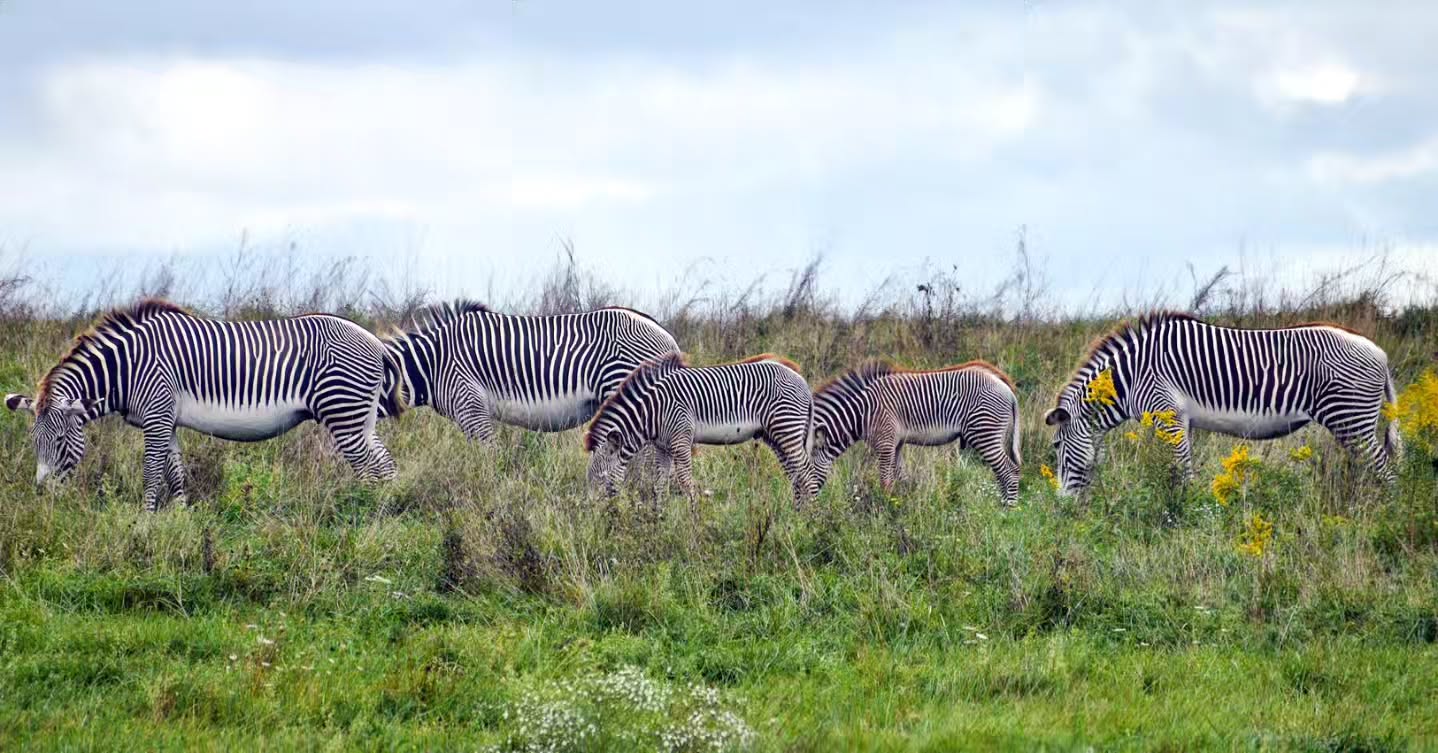
Grévy’s zebra (Equus grevyi), the largest species of zebra, is distinguished by its narrow stripes and large ears. These equids are found primarily in the semi-arid grasslands and savannas of East Africa, particularly in Ethiopia and northern Kenya. Grévy’s zebras display unique behavioral traits and social structures that set them apart from other zebra species. Understanding their biology and ecology is crucial for effective conservation strategies and for educating the public about these magnificent animals.
Grévy’s zebra belongs to the horse family, equines, and is classified separately from other zebra species due to its larger size and specific morphological characteristics. This species exhibits a distinct coat pattern, with thin vertical stripes that can be used as a form of identification. Adult males can weigh up to 990 pounds and stand over 5 feet at the shoulder. Females are generally smaller but still impressive in size. The Grévy’s zebra’s unique fur pattern not only serves as a form of camouflage but also helps in social signaling.
Habitat and distribution are critical for understanding the conservation status of Grévy’s zebras. They inhabit areas that consist of open plains, grasslands, and bushy regions, where they rely on their ability to graze on sparse vegetation. Their current range is much diminished compared to historical times. Grévy’s zebras are found mainly in Ethiopia and Kenya, with populations heavily concentrated in protected areas such as national parks. Over the past few decades, habitat loss, competition with livestock, and hunting pressures have severely impacted their populations. As a result, effective conservation strategies are essential.
Behaviorally, Grévy’s zebras exhibit both social and solitary tendencies. They typically form loose herds consisting of females and their offspring, led by a dominant male. This hierarchy establishes a system of social structure that allows for efficient foraging and protection against predators. Interestingly, unlike other zebra species, Grévy’s zebras do not form lifelong bonds and have more fluid social interactions. Adult males are often solitary or form small bachelor groups.
Communication plays a pivotal role in their social dynamics. Grévy’s zebras utilize a variety of vocalizations, from barks to whinnies, to convey information such as alerts about predators or distress signals. Body language, including ear positioning and facial expressions, adds an additional layer to their communication. This social complexity aids in maintaining group cohesion and reduces the risks associated with living in an open habitat.
The conservation status of Grévy’s zebras is alarming. The International Union for Conservation of Nature (IUCN) has classified them as endangered, largely due to habitat degradation, poaching, and competition with livestock for resources. Conservation efforts have seen various initiatives aimed at reducing human-wildlife conflict and promoting habitat protection. Local communities are vital allies in these efforts, as their involvement can lead to sustainable coexistence with wildlife.
Organizations and wildlife reserves play crucial roles in the conservation of Grévy’s zebras. Protected areas serve as strongholds for their populations, and they provide opportunities for research and monitoring. In Kenya, efforts have focused on involving communities in wildlife management to foster responsible stewardship of natural resources. Programs that raise awareness about the ecological and economical benefits of conserving Grévy’s zebras are instrumental in garnering public support. Sustainable tourism initiatives can also offer funding for conservation efforts while educating visitors about the challenges facing these animals in their natural habitats.
Visitor interactions with Grévy’s zebras in zoos and wildlife parks are vital for educating the public. Such facilities provide an opportunity for people to learn about the ecological significance of this species and the threats they face. Educational signage, guided tours, and hands-on experiences can create a deeper understanding of Grévy’s zebras. Initiatives that promote the conservation message help instill a sense of responsibility and stewardship in visitors. Engaging displays and live demonstrations allow people to connect with these creatures on a personal level.
Moreover, zoos and wildlife parks play a significant role in captive breeding programs for Grévy’s zebras. These programs aim to maintain genetic diversity and serve as a safety net against extinction. Collaborative efforts among accredited institutions can enhance breeding success and lead to the eventual reintroduction of animals into their natural habitats. Education and awareness campaigns are integral components of these initiatives, encouraging public support for wildlife conservation.
Conservation organizations continue to explore innovative approaches to protect Grévy’s zebras. This includes technology-driven solutions such as GPS tracking to monitor movements and behavior in the wild. Such data can inform land management practices and identify critical habitats that need protection. Engaging local communities in data collection can foster a sense of ownership and responsibility towards wildlife conservation. The integration of indigenous knowledge with scientific methods can also lead to more effective management strategies.
Human impact on habitats is not limited to poaching and competition for resources. Climate change poses an additional threat. Altered rainfall patterns and rising temperatures can negatively affect the availability of forage and water sources for Grévy’s zebras. Addressing climate change while promoting conservation efforts is essential for ensuring the long-term survival of this species.
Education plays a pivotal role in fostering a culture of conservation. Schools and communities are increasingly incorporating wildlife conservation into their curricula. Programs designed to inspire the next generation of conservationists can help shift perceptions about wildlife. Educating children and adults about the importance of biodiversity encourages active participation in conservation initiatives.
Partnerships with conservation organizations, schools, and local communities can amplify efforts to protect Grévy’s zebras. Collaborative projects focused on habitat restoration and sustainable land-use practices can lead to positive outcomes for both wildlife and local populations. By promoting coexistence, these partnerships can enhance the overall health of ecosystems while benefiting local economies.
Grévy’s zebras are remarkable animals that symbolize the beauty and fragility of biodiversity. Their population decline underscores the need for immediate action to protect not only this species but also the ecosystems in which they live. Utilizing a multi-faceted approach that incorporates conservation science, community engagement, and environmental education can yield promising results. With ongoing commitment from various stakeholders, there remains hope for the survival of Grévy’s zebras in the wild.
The relationships formed between wildlife and their habitats are vital. Understanding these dynamics allows for the development of robust conservation strategies. Awareness of the ecological roles that Grévy’s zebras play can also help mitigate human-wildlife conflict. When people comprehend the interconnectedness of life, they are more inclined to support conservation initiatives actively.
The future of Grévy’s zebras hinges on the collective efforts of individuals, organizations, and communities dedicated to their preservation. Through concerted action and commitment, it is possible to secure a thriving future for Grévy’s zebras, ensuring that future generations can appreciate these remarkable animals in their natural habitats. Protecting them serves not only their interests but also reinforces the importance of wildlife conservation for the health of our planet.
*****
Source Description
Grévy’s zebras (Equus grevyi) @ @visitthewilds
