
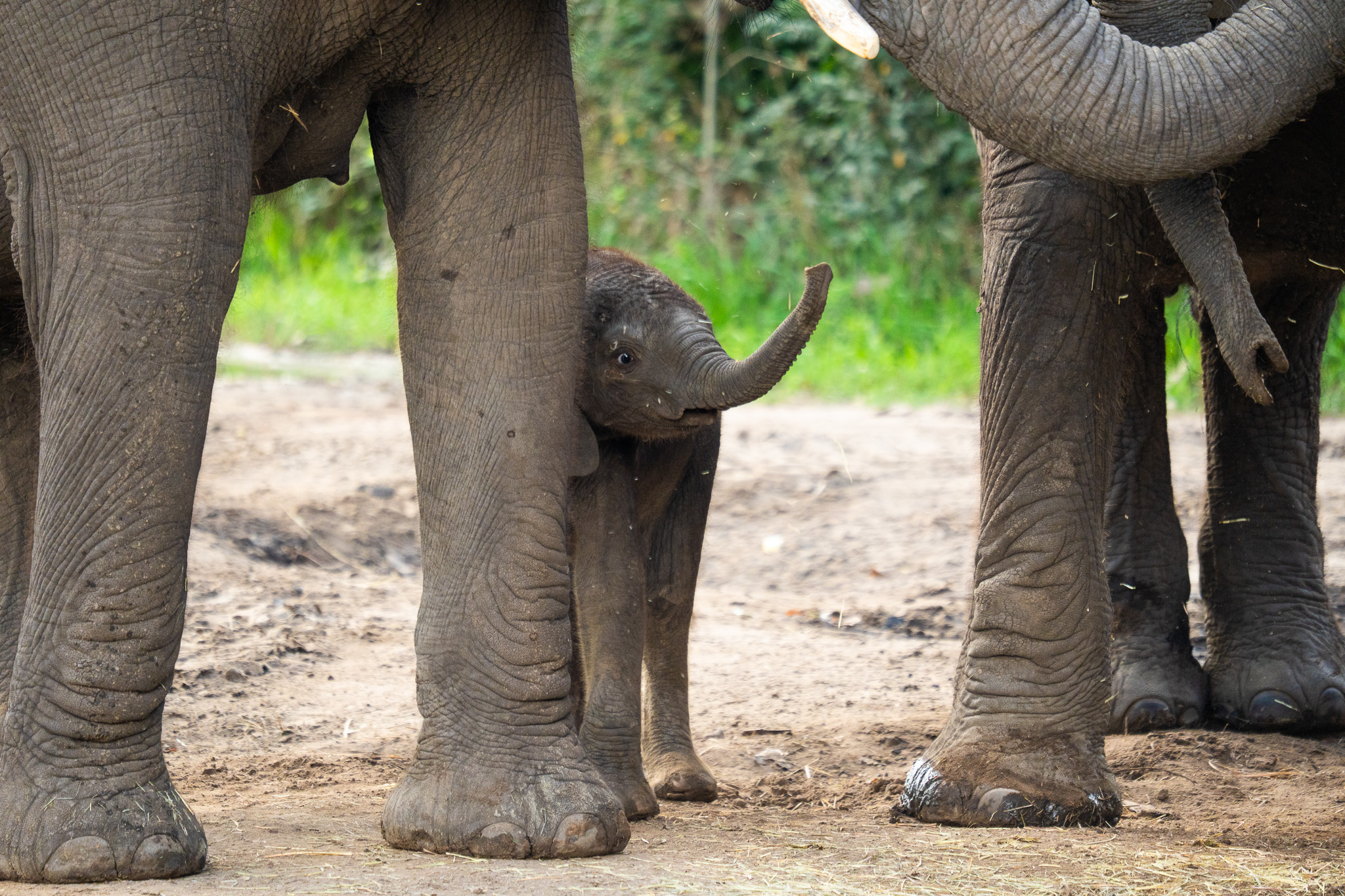
- Dakari’s Journey to the Public Habitat: An Overview
- Understanding the Significance of Public Habitats in Animal Development
- Social Structures Within Elephant Groups
- Conservation Efforts Relating to Urban Wildlife Habitats
- The Role of Zoos in Education and Wildlife Preservation
Dakari, a young elephant, has reached an important milestone by venturing into the public habitat alongside her mother, Zuberi, and companions, Xolani and Kijani. This event signifies more than just another page in a young elephant’s life; it highlights essential aspects of animal development, social behavior, and conservation efforts that zoos undertake to support wildlife populations. As zoos evolve, such milestones offer valuable insights into the lives of animals in human care, emphasizing the need for high standards in animal welfare and public education.
Dakari’s experiences in the public habitat provide an opportunity for both observation and education. This habitat not only allows her to interact with her mother and peers but also enables the public to witness the natural behaviors of elephants in a design that mirrors their wild settings. Such environments focus on promoting a sense of freedom within a controlled area suitable for their needs. The design and layout of these habitats are paramount in fostering a stimulating environment where elephants can engage in social behaviors, exploration, and foraging.
In many cases, the introduction of animals to public habitats requires careful planning. Young elephants like Dakari are gradually acclimated to these spaces to reduce stress and maximize their comfort levels. Monitoring their interactions is vital; this ensures that social dynamics remain healthy and that any emerging behaviors are addressed promptly. Observers note that engaging with animals in a habitat that imitates their natural environment fosters development that aligns with what they would experience in the wild.
Social structures play a significant role in elephant behavior. Elephants are known for their strong familial bonds, often comprising matriarch-led herds. These social dynamics are vital for the cognitive and emotional development of young elephants. As Dakari interacts with Zuberi, Xolani, and Kijani, she absorbs important social cues that will help her navigate relationships within her herd. Observing these interactions in a public habitat provides moments for audience members to appreciate the complexity of elephant relationships and their capacity for empathy.
In the broader context of conservation, public habitats help raise awareness about the challenges elephants face in the wild. Poaching, habitat destruction, and climate change all pose significant threats to elephant populations worldwide. Engaging the public through such initiatives creates a platform for education about these critical issues. By witnessing Dakari’s milestones, visitors are encouraged to reflect on their roles in global conservation efforts.
Within urban environments, the conservation of wildlife becomes increasingly necessary. Zoos are uniquely positioned to promote sustainable practices while addressing the complexities of urban living for wildlife. Dakari’s outings serve as a microcosm of these efforts. They highlight how public habitats can be designed to accommodate both educational opportunities and the needs of the animals.
The educational component of zoos is vital. Programming surrounding Dakari’s habitat contains interactive elements that inform the public about elephant behavior, conservation efforts, and how individual actions can impact wildlife. By encouraging dialogue around these topics, zoos can increase understanding of ecological balance, biodiversity, and responsible wildlife management.
It is essential to recognize that milestones like Dakari’s public habitat outings are not isolated events; they are part of a larger framework of comprehensive animal care and wildlife conservation. Each of these events is meticulously planned and involves collaboration among zoologists, animal care specialists, and conservationists. The goal is to provide a setting where both animals and visitors can thrive.
Dakari’s journey also highlights the importance of enrichment activities. In nature, elephants engage in various behaviors to forage for food, play, and communicate. Public habitats often incorporate enrichment elements that encourage these natural behaviors, such as puzzle feeders or water features. These activities stimulate physically and mentally healthy lifestyles while providing observers a glimpse into the engaging lives of elephants.
The implementation of technology in tracking animal behavior also plays a role in improving animal care practices. Zoos utilize various monitoring techniques that capture data on movement, social interactions, and even health indicators. The use of camera traps and wearable technology gives caregivers the opportunity to analyze behaviors and adjust habitat conditions as necessary. Dakari’s involvement in the public habitat will allow caregivers to collect valuable data on how she interacts not only with her family but also with visitors.
While Dakari will not be in the public habitat every day, the times she does venture out are instrumental for recognition of her growth and development. Each visit presents a chance to emphasize the significance of animal welfare and the ethical considerations involved in managing animal populations effectively. Animal welfare in zoos has evolved, with an emphasis on creating environments conducive to natural behaviors and social interactions.
The psychological well-being of animals is equally crucial. The more enriched the environment, the less stress animals tend to display. Dakari’s ability to interact with her mother and friends in a public habitat while observers watch reflects a successful model of animal management that prioritizes emotional and physical health.
As Dakari makes these new public appearances, it becomes crucial to address the educational aspects of this interaction for zoo visitors. Programs can be structured around the biology of elephants, their social structures, and the broader conservation themes pertinent to their survival. Engaging presentations help foster connections between the audience and the animals. Such connections can serve as catalysts for individuals to become passionate advocates for wildlife preservation.
In summary, Dakari’s venture into the public habitat is a rich narrative of growth, social bonding, and educational opportunity. Each outing gives visitors a chance to appreciate the complexity of elephant life and the responsibilities caretakers hold towards these magnificent creatures.
The bond between Dakari and her fellow elephants illustrates the importance of nurturing social dynamics within these animals. As urban development progresses, the need for fostering a deep appreciation for wildlife becomes increasingly pressing. Events like Dakari’s public habitat visits pave the way for enhanced public understanding of the conservation landscape surrounding elephants while promoting empathetic engagement from the community.
Educational programs developed around Dakari’s outings can incorporate various elements that captivate a wide audience, appealing to both children and adults. Hands-on experiences, informative talks, and visual aids can heighten the connection people feel toward not just Dakari, but to all species facing threats from habitat loss and poaching.
Public habitats serve as a bridge between wildlife and urban dwellers. They emphasize that wildlife conservation is not solely the responsibility of organizations and policymakers but involves individuals across various communities. By fostering a sense of responsibility, public habitats can inspire action that contributes to global conservation efforts in a meaningful way.
With public engagement, combined with the understanding of animal welfare and ecological balance, the future of species like Dakari remains hopeful. Each interaction with the public can mean a step toward educating others about why these magnificent animals must be preserved and respected. By witnessing Dakari’s journey into the public habitat, visitors learn about the intricacies of elephant lives and the importance of conservation in the face of modern challenges.
*****
Source Description
Dakari has reached a new milestone – venturing into the public habitat! 🐘🌿
Yesterday, she could be seen outside with her mother, Zuberi, as well as Xolani and Kijani.
While she won’t be in this public habitat daily, this update is a big step (literally) in her development.
