
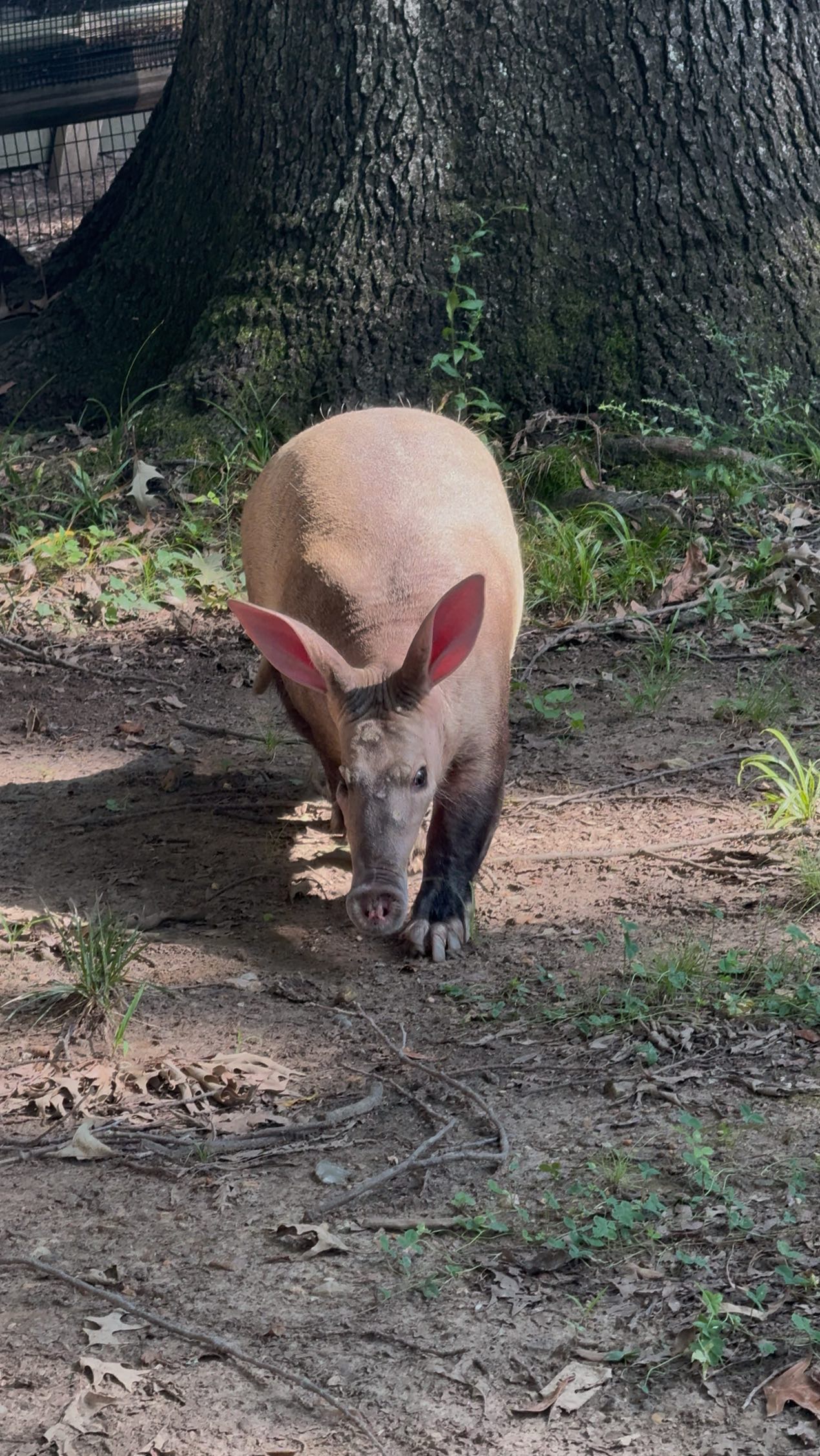
- Grogu’s ability to attract attention and crowd engagement.
- The physical and behavioral needs of aardvarks in captivity.
- The role of the siamangs, Haumea and Loki, in the zoo ecosystem.
- Opportunities for direct human-animal interactions through exclusive encounters.
- Importance of wildlife conservation and education through zoo experiences.
Grogu’s charm extends beyond his adorable appearance. This little aardvark captivates visitors at the zoo, consistently drawing a crowd wherever he goes. His playful escapades and unique behaviors fascinate guests, offering a delightful glimpse into the lives of these lesser-known animals. It’s not just his cute face; Grogu’s antics and interactions create lasting memories for children and adults alike. As he burrows and digs, his natural behavior invites viewers to ponder the role of aardvarks in the ecosystem and the importance of conservation efforts.
Aardvarks, native to Africa, adapt uniquely to their environments. These nocturnal creatures are vital in controlling insect populations, particularly ants and termites. By digging, aardvarks help aerate the soil, which fosters healthier plant life in their habitats. At the zoo, Grogu is not merely an attraction; he plays a crucial role in educating visitors about the ecological significance of his species. His active lifestyle and varied activities on display provide insight into the natural tendencies of aardvarks. Observing Grogu’s digging exposes visitors to the less visible dynamics of animal behavior that are essential to understanding biodiversity.
Exercise is fundamental to Grogu’s well-being. In the wild, aardvarks cover vast distances in search of food, often digging multiple burrows for nesting and foraging. In a zoo setting, replicating these natural behaviors is vital for maintaining the animal’s mental and physical health. Grogu participates in various activities designed to promote such behaviors, including digging in sand and soil enrichment. This activity allows him to exhibit instinctual behaviors, fostering a sense of agency and independence.
Additionally, Grogu serves as a bridge to understanding animal needs more broadly. The complexity of keeping animals in captivity requires an understanding of their natural tendencies and how to replicate those in a controlled environment. The zoo staff takes great care to provide Grogu with an enriching environment filled with engaging physical activities. These efforts not only contribute to Grogu’s happiness but highlight the commitment required for animal husbandry.
Meanwhile, Grogu’s playful antics haven’t gone unnoticed by the zoo’s other residents. Siamangs, particularly Haumea and Loki, observe from their space, showing curiosity and engagement. This interaction speaks to the interconnectedness of species within the exhibit. Siamangs are social primates known for their impressive vocalizations and swinging skills. Their presence underscores the zoo’s goal of fostering a diverse ecosystem where different animals can coexist peacefully.
Haumea and Loki’s attention to Grogu reinforces the idea that animals can exhibit social behaviors that extend beyond their species. While they might not directly interact, their curiosity enhances the overall viewing experience for guests. Witnessing these interactions provides an educational opportunity to discuss animal social structures and behaviors in different species. The way that different animals observe and react to each other highlights the importance of species diversity, not only within the zoo but also in wild habitats.
For those interested in a more personal experience, the zoo offers exclusive encounters with some of its residents. Meeting Grogu up close provides an unparalleled educational opportunity. These specialized interactions allow visitors to learn about aardvarks in more detail and appreciate their unique characteristics firsthand. The chance to observe Grogu in a more intimate setting enhances awareness of wildlife, fostering a greater appreciation for conservation initiatives.
Exclusive encounters create a deeper connection between humans and animals. When visitors engage with Grogu, they not only learn about aardvark biology but also the importance of protecting their natural habitats. By participating in such programs, guests contribute to ongoing conservation efforts. This firsthand experience fosters empathy and encourages active participation in wildlife protection. These encounters can ignite a passion for animal welfare and conservation.
The educational components of these interactions are critical. They allow visitors to ask questions and gain insights from knowledgeable staff who are trained in animal care and conservation. This engagement promotes a greater understanding of the challenges facing aardvarks in the wild, including habitat loss and climate change. Education in a zoo setting serves as a powerful tool for promoting awareness and advocacy for wildlife conservation.
Moreover, Grogu’s presence serves to underscore the zoo’s commitment to conservation. Aardvarks are often overlooked in discussions about endangered species, largely because they are not charismatic like elephants or tigers. Yet, their role in the ecosystem is equally vital. By spotlighting Grogu, the zoo shines a light on the importance of conserving all species, emphasizing that every creature has a role to play in maintaining ecological balance.
In genomics and wildlife management, challenges persist in preserving genetic diversity among species in captivity. Zoos are more than just places of recreation; they also play a critical role in conservation strategies. By participating in collaborative breeding programs, zoos help to ensure genetic diversity that can benefit populations when reintroduced to their natural habitats. Such efforts require a thorough understanding of animal health, reproduction, and behavior, all of which are integral to the mission of effective conservation.
Caring for animals like Grogu involves more than just feeding them. Animal care teams must consider dietary needs, social interactions, and environmental enrichment. Thus, zookeepers must be highly trained professionals who understand the complexities of various species. Their knowledge drives successful conservation efforts while creating an engaging, safe, and stimulating environment for both animals and visitors.
Zoo management also reflects the importance of community engagement in conservation. By encouraging visitors to connect with animals like Grogu, zoos inspire individuals to become stewards of the environment. Through educational outreach, visitors can understand how their daily choices impact wildlife conservation. Educated advocates can help address issues such as habitat destruction, pollution, and climate change.
Community involvement is critical in conservation initiatives. Support from local communities helps fund research, breeding programs, and habitat restoration. Programs such as “Adopt an Aardvark” allow individuals and businesses to contribute to the zoo’s mission while fostering a sense of ownership and responsibility toward wildlife preservation. These programs create a partnership between zoos and their communities, amplifying the impact of conservation messages.
As visitors leave Grogu’s exhibit, they carry away not just fond memories, but also important lessons about environmental stewardship. Grogu serves as the face of a broader conservation narrative. His presence illustrates the interconnectedness of ecosystems and emphasizes that all creatures—even those perceived as less appealing—are essential to biodiversity.
The joy that Grogu brings is tangible; he sparks conversations about wildlife and habitats. This, in turn, cultivates a society that values ecological preservation. Through ongoing education and engagement, zoos strive to create a future where animals like Grogu thrive in both natural and managed environments.
In the end, Grogu is more than just an attraction; he’s an ambassador for conservation. His ability to draw a crowd is not simply about appearances, but about the dialogue he invites regarding ecology and the roles all animals play in their ecosystems. As guests engage with Grogu, they also engage with the pressing issues that threaten wildlife today. These interactions foster a culture of awareness and advocacy, which is essential for the future of global biodiversity.
The continuing welfare of aardvarks and other wildlife depends upon each person’s understanding and commitment. As they watch Grogu frolic and dig, visitors find a deeper appreciation for the wild world and their role in its preservation. Activities at the zoo play a crucial role in ensuring that conservation efforts do not rest solely on preservation but inspire renewed passion and commitment to protecting our natural heritage.
*****
Source Description
Grogu always draws a crowd no matter where he goes! 🤩 Grogu gets lots of exercise and time to dig, which is a natural behavior for aardvarks. Our siamangs Haumea and Loki made sure to watch from their exhibit!
Want to meet an aardvark up close? Book an Exclusive Encounter! You can view all available dates on our website to meet some of our most beloved residents in a private interaction.
