
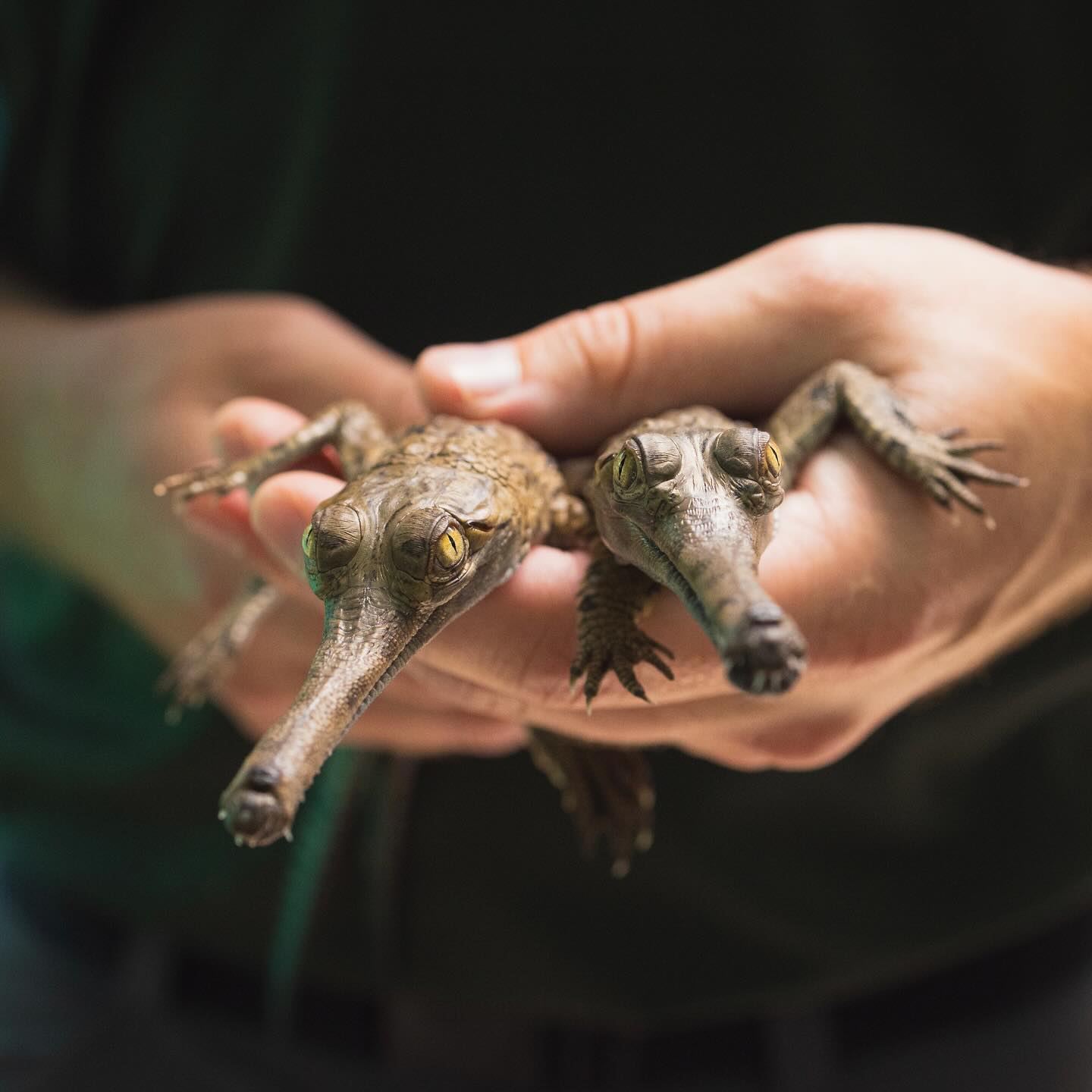
- It’s a Gharial 3-PEAT! marks the Fort Worth Zoo’s third consecutive year producing multiple gharial hatchlings and highlights advances in captive breeding and juvenile rearing.
- Biology and life-history of the gharial: adaptations, reproductive biology, and implications for ex-situ care and field restoration.
- Threats facing wild gharial populations and how targeted zoo programs contribute to conservation outcomes, research, and policy.
- Husbandry, incubation, and juvenile rearing practices developed by the Fort Worth Zoo’s ectotherm team, with applications for global conservation partners.
- Genetic management, release considerations, and the role of data sharing among institutions to support long-term species recovery.
It’s a Gharial 3-PEAT! is more than a celebratory headline; it is evidence that sustained, evidence-based husbandry can produce repeatable outcomes for a critically endangered species. For the third consecutive year, Fort Worth Zoo’s team hatched multiples of Gavialis gangeticus, and they are the only North American institution to do so in successive years. This achievement reflects careful husbandry, rigorous record-keeping, and active participation in conservation networks that place captive success within a broader recovery strategy.
The gharial is a highly specialized crocodilian adapted to a fish-eating niche. Its long, narrow snout reduces water resistance and supports a high tooth count that functions like a fish trap. Males develop a hollow bulb on the snout, the ghara, associated with vocalization and courtship displays. These morphological traits come with narrow ecological requirements. Gharials depend on long, deep river stretches with sufficient fish biomass, seasonal sandbanks for nesting, and unimpeded movement along river corridors. Those habitat features have declined across much of the species’ historic range.
Reproduction in gharials follows the general crocodilian pattern but with important particulars for captive care. Females excavate nests in sandy banks and lay a clutch of eggs that develop under ambient conditions. Crocodilians, including gharials, typically exhibit temperature-dependent sex determination. Incubation temperature and nest microclimate therefore influence sex ratios, hatch success, and ultimately population dynamics. In captivity, controlled incubation offers a tool to manage hatch outcomes, but it requires precise management of temperature and humidity that aligns with species-specific parameters. The Fort Worth Zoo’s program has refined incubation protocols to produce healthy hatchlings repeatedly, demonstrating reproducibility in a controlled setting.
Wild gharial populations are listed as critically endangered by the IUCN. Declines stem from multiple, interacting threats: river fragmentation by dams and barrages, sand mining that destroys nesting sites, pollution that reduces prey availability and harms health, accidental capture in fishing gear, and direct persecution in some areas. A reduction in habitat connectivity isolates breeding populations and restricts gene flow. The loss of suitable nesting beaches has a direct demographic effect because female gharials require stable sandbanks to deposit eggs. Conservation responses must therefore be multi-pronged: protect and restore riverine habitat, mitigate bycatch, control pollution sources, and implement active population management including ex-situ programs and targeted releases where habitat is secure.
Ex-situ efforts, like the Fort Worth Zoo’s, function as a complement to in-situ conservation. Captive breeding provides insurance against catastrophic loss in the wild and a source of animals for managed releases, when and where release is feasible and desirable. However, the value of captive programs lies equally in the generation of husbandry knowledge, health data, and behavioral observations that can be transferred to field teams. For gharials, juvenile survival is a bottleneck. Wild juveniles face high predation and human-origin mortality. Head-starting—rearing juveniles in protected conditions until they reach a less vulnerable size—can raise survival probabilities dramatically. Fort Worth Zoo is the only zoo in North America actively raising juvenile gharials, which produces critical data on growth rates, dietary needs, disease prevention, and social grouping that can inform larger-scale conservation efforts.
Husbandry for gharials blends crocodilian fundamentals with species-specific adjustments. Temperature gradients, basking spots, aquatic depth, and substrate choices must reflect natural behavior. Hatchlings require warm basking sites for thermoregulation because metabolic function in ectotherms depends on external heat sources. The zoo’s ectotherm team monitors water quality, provides filtration appropriate for a piscivorous species, and manages photoperiod and UV exposure to support physiological development. Diet at hatch includes small, high-quality fish and invertebrates, progressing to larger, whole-fish meals as juveniles grow. Nutritional management addresses not only caloric needs but also calcium-to-phosphorus ratios and vitamin D status, which are crucial for bone development and preventing metabolic bone disease.
Incubation protocols are a critical technical element. For crocodilians, temperature ranges during incubation affect both hatch success and sex ratios. The Fort Worth Zoo has developed incubation regimens that produce high hatching rates while monitoring for potential sex biases. Controlled humidity and periodic egg turning or protection against desiccation support embryo viability. Post-hatch interventions include staged transitions from brooding trays to shallow pools and then to deeper enclosures as swim strength improves. Hygiene protocols minimize the risk of fungal and bacterial infections that can be lethal in young reptiles.
Behavioral enrichment and social management are essential for developing healthy captive-bred gharials. Exposure to naturalistic foraging tasks stimulates feeding behavior and reduces stereotypies. Structured feeding schedules with variable prey presentation encourages hunting skills. Grouping decisions require attention to size hierarchies; aggressive interactions can injure smaller individuals if mixed groups are not managed carefully. The Fort Worth Zoo’s staff apply observational data to adjust group composition and feeding regimes, maximizing welfare and growth trajectories.
Health surveillance in a breeding program requires regular veterinary checks and diagnostic screening. Parasite loads, common bacterial pathogens, and viral agents are monitored through fecal exams, bloodwork, and targeted cultures as needed. Vaccination is not a standard component of crocodilian care, but prophylactic treatments and quarantine protocols for new arrivals prevent pathogen introduction. The zoo’s quarantine and biosecurity measures protect both captive animals and the wider institution.
Genetic management complements husbandry. Captive populations must retain sufficient genetic diversity to remain viable as a conservation resource. The Fort Worth Zoo participates in data sharing and coordination with other institutions and conservation bodies to track pedigrees and allelic diversity. Molecular tools such as microsatellite analysis or genome-wide markers can quantify diversity and inform pairing decisions. When a species’ captive population is small, genetic drift and inbreeding are real risks. Programs that exchange animals, gametes, or genetic data between institutions can mitigate those risks and maintain options for future reintroductions.
Reintroduction or supplementation of wild populations requires rigorous assessment. Candidate release sites must have secure habitat, stable prey bases, and community support. Releases should follow best-practice guidelines: health screening to avoid pathogen transfer, soft-release approaches that acclimate animals to local conditions, and post-release monitoring to quantify survival and integration. The Fort Worth Zoo’s work produces husbandry protocols and survival data that conservation practitioners can use to design release programs with a higher likelihood of success. Data sharing accelerates learning across programs and reduces duplication of effort.
Conservation partnerships multiply impact. The Fort Worth Zoo collaborates with international conservation organizations, academic researchers, and government agencies to translate captive-care findings into field actions. Sharing husbandry manuals, growth curves, and veterinary records helps field teams anticipate challenges when rearing or releasing juveniles. Cooperative research projects, such as telemetry studies on released individuals or comparative health surveys, create an evidence base for adaptive management. These partnerships also foster capacity building in range countries by training local staff in egg incubation, hatchling care, and monitoring techniques.
Public engagement and education are strategic components of any zoo-led conservation program. When visitors learn about the gharial’s biology and threats, they often support policy and habitat-protection measures indirectly through advocacy and funding. Fort Worth Zoo uses interpretive signage, keeper talks, and digital media to explain why gharials matter ecologically and culturally. Clear messaging about human actions that threaten river systems—unsustainable sand mining, indiscriminate fishing practices, and pollution—connects audience behavior to conservation outcomes. Educational outreach can also cultivate community-based stewardship in range states, where local buy-in often determines project feasibility.
Research priorities for gharial conservation are specific and actionable. Key areas include quantifying juvenile survival rates under different rearing regimes, assessing the genetic structure of remnant wild populations, and modeling how hydrological changes affect nesting habitat availability. Climate change adds urgency. Altered river flows and shifting temperature profiles could change nest site suitability and skew sex ratios via temperature-dependent sex determination. Predictive modeling combined with adaptive site management can reduce these risks by identifying and protecting refugia or by incorporating nest shading and microhabitat engineering in critical sites.
Operational scaling is another consideration. Producing multiples in successive years demonstrates procedural repeatability, but scaling ex-situ programs requires institutional capacity. Space for growing juveniles, trained staff, and long-term funding are necessary. The Fort Worth Zoo’s achievement shows that with institutional commitment and technical experience, zoos can make meaningful contributions to species recovery beyond single-year successes. It also points to the importance of documenting protocols in sufficient detail to permit replication.
Ethics and welfare intersect with conservation goals when captive animals may later be candidates for release. Welfare standards must remain high throughout rearing to support both individual well-being and functional outcomes after release. Behavioral competence—such as appropriate predator avoidance, foraging skills, and social behaviors—affects survival. Welfare-oriented enrichment and training practices that build natural behaviors support conservation objectives. The Fort Worth Zoo balances these needs, maintaining high welfare while producing animals that can serve conservation purposes.
Funding models influence program continuity. Gharial programs may draw on a mix of institutional budgets, grants, donor gifts, and collaborative support from conservation foundations. Demonstrated success, like the repeated production of multiple hatchlings, can attract funding by showing measurable outputs. Transparent reporting and strong partnerships improve funding resilience.
It’s a Gharial 3-PEAT! serves as a communication tool with practical impact. It signals to peers that the techniques used at Fort Worth Zoo deliver consistent reproductive success. That reputation increases opportunities for collaboration, data exchange, and funding. At the same time, it brings public attention to a species that receives relatively little coverage compared with more charismatic megafauna.
Long-term recovery for gharials requires integrating ex-situ successes into a broader conservation portfolio that prioritizes protected river corridors, community engagement, and legal protections for nesting sites. The Fort Worth Zoo’s program contributes concrete pieces: refined incubation methods, juvenile rearing protocols, and a track record of repeatable hatching. These resources accelerate informed decision-making in range countries and among international partners.
Monitoring and adaptive management close the loop between captive and wild initiatives. Post-release monitoring informs whether captive-reared individuals adapt and reproduce in the wild. If survival or reproduction is low, programs must adapt husbandry or release strategies. Continuous feedback between husbandry data and field outcomes is the pathway to improving conservation impact. Fort Worth Zoo’s data collection and willingness to share findings support this iterative process.
Public policy has a role as well. Effective river management policies that regulate dam operation, limit destructive sand mining, and reduce pollution create the conditions that make reintroduction feasible. Zoos can support policy by providing scientific testimony, technical reports, and public outreach that elevates the urgency of protecting riverine ecosystems. The Fort Worth Zoo’s visibility and scientific contributions expand the evidence base policymakers require.
It’s a Gharial 3-PEAT! also highlights the importance of specialized teams. Ectotherm specialists bring skills that differ from those used with mammals or birds. Comfort with reptile behavior, thermoregulatory needs, and disease profiles is essential. Investing in staff training and in targeted equipment—temperature-controlled incubators, water filtration systems calibrated for piscivores, and diagnostic tools—pays dividends in program success.
Tracking metrics makes success verifiable. Hatching rates, growth curves, health indices, and behavioral milestones provide quantitative measures that can be compared across institutions and over time. Fort Worth Zoo maintains such records and contributes them to collaborative platforms. Standardized metrics allow conservationists to assess program performance and to prioritize interventions with the greatest return for wild populations.
Finally, ongoing science supports long-term planning. Genetic monitoring, disease surveillance, and ecological research on river systems build the knowledge base that defines realistic conservation targets. The Fort Worth Zoo’s repeated success in producing multiples adds a practical dimension to these scientific efforts. It shows that skilled captive care can produce consistent outcomes that matter to the species’ future.
It’s a Gharial 3-PEAT! is a milestone that matters because it turns institutional learning into repeatable practice. Each hatchling represents both a short-term welfare responsibility and a long-term conservation opportunity. The Fort Worth Zoo’s work illustrates how targeted ex-situ programs, paired with rigorous science and collaborative networks, can support species recovery and safeguard ecological networks that sustain both wildlife and human communities.
*****
Source Description
It’s a Gharial 3-PEAT! 👏🐊🎉
For the third year in a row, the Fort Worth Zoo is celebrating the successful hatching of multiples of the critically endangered gharial crocodile. With two new hatchlings, we remain the only institution in North America to produce multiples of the species, and certainly the only to do so back-to-back-to-back!
We’re also the only zoo raising juvenile gharials, so we are learning and tuning rearing techniques while gaining valuable knowledge to not only continue to use here at the Zoo, but to share with scientists, researchers and institutions around the country.
The gharial crocodile is critically endangered due to habitat destruction, pollution, and river fragmentation, all of which make it challenging for the species to survive in the wild.
We’re continually proud of our ectotherm team’s dedication to the conservation of this critically endangered species. It’s an honor for the Zoo to play a vital role in protecting this unique species and contributing to its future for generations to come.💚🌍
