
- Understanding the impact of single-use plastics on wildlife and ecosystems
- The significance of the Plastic Free July initiative in raising awareness
- Practical steps and alternatives to reduce plastic consumption
- The role of zoos and conservation organizations in fostering environmental stewardship
- Year-round commitment to sustainable practices beyond July
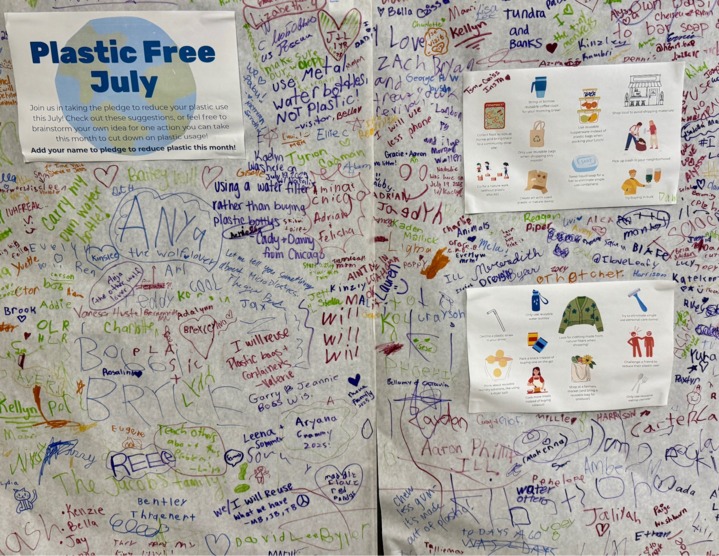
This July, zoo guests participated in the Plastic Free July pledge, committing to reduce the use of single-use plastics throughout the month. This initiative is a significant step towards reducing plastic pollution, which is a pressing environmental issue that affects wildlife and their habitats globally. Plastic pollution is pervasive; it can be found in oceans, rivers, and even in remote areas of the world. Understanding its impact on wildlife and ecosystems is critical to addressing this challenge.
Single-use plastics, such as straws, plastic bags, and water bottles, are designed for immediate disposal after one use. These items commonly end up in landfills or, worse, in natural habitats where they pose threats to animals. Marine life is particularly vulnerable; sea turtles, for instance, often mistake plastic bags for jellyfish, leading to severe injuries or death. Birds, too, ingest plastic debris, which can lead to malnutrition and poisoning. Land animals are no exception, as they may become entangled in plastic waste, leading to injury or death. The consequences of these interactions highlight the urgent need for reducing plastic consumption.
Plastic Free July is more than a pledge; it’s a global movement aimed at reducing plastic waste. By joining this initiative, zoo guests not only commit to using less plastic but also join a community dedicated to environmental conservation. The movement encourages individuals to reflect on their daily habits and make sustainable choices. For example, switching to reusable water bottles and tote bags can significantly reduce the amount of plastic waste generated. Metal straws serve as a practical and environmentally friendly alternative to single-use plastic straws. Each small change contributes to a larger collective impact.
Within the context of wildlife conservation, the role of zoos extends beyond simply housing animals. They serve as vital educational platforms that promote awareness about environmental stewardship. Zoos often engage in conservation efforts, research, and community education initiatives. By participating in campaigns like Plastic Free July, zoos leverage their platforms to inspire guests and raise awareness about the environment and its challenges. Through interactive exhibits, educational presentations, and community outreach, zoos can effectively communicate the message of sustainability.
Starting small today is achievable and impactful. Individuals can take immediate action to reduce their plastic use, creating positive change not just in July but throughout the year. This can begin at home; people can make conscious choices when shopping, opting for bulk goods or products with minimal packaging. Embracing reusable items, such as lunch containers and coffee cups, is an effective way to limit single-use plastics. The shift toward sustainable living can also extend to social gatherings and community events, where alternatives to plastic can be employed.
In addition, supporting businesses that prioritize sustainability helps amplify the message of reduced plastic use. Many companies are now providing eco-friendly products and alternatives that resonate with consumer concerns about plastic waste. Vendors at farmers’ markets, for example, often encourage customers to bring their containers for produce, thus reducing packaging. Choosing to support these practices fosters an economy that values environmental health.
The conversation surrounding plastic reduction doesn’t have to stop after July. A year-round commitment to sustainable practices is vital for long-term change. Engaging with local conservation groups or participating in community clean-up events can further deepen one’s connection to environmental stewardship. There are numerous opportunities for involvement, from educational workshops to volunteering at wildlife rescue organizations. Individuals can inspire others by sharing their experiences and initiatives, creating a ripple effect in the community.
As society increasingly recognizes the repercussions of plastic pollution on wildlife and habitats, education becomes paramount. Understanding the science behind plastic degradation and its impact on ecosystems can fuel advocacy for better practices. This includes advocating for policies aimed at reducing plastic production and consumption at local, national, and global levels. Educators, scientists, and conservationists often work collaboratively to develop programs that raise awareness about the ecological consequences of plastic waste.
Research in zoology and environmental science highlights the importance of understanding how pollution affects wildlife behavior and health. Studies indicate that even small amounts of plastic can disrupt feeding patterns and reproductive success in various species. For instance, microplastics—tiny plastic particles less than five millimeters in length—have been found in the tissues of marine organisms, leading to concerns about bioaccumulation and the food chain. The presence of plastic not only disrupts ecosystems but can also have socio-economic repercussions, affecting fisheries and tourism industries dependent on healthy ecosystems.
In addition to promoting awareness, zoos play an active role in carrying out research initiatives aimed at understanding and mitigating plastic risks. Collaborations between zoos and universities facilitate significant advancements in wildlife management and conservation strategies. These research efforts aid in the understanding of species’ responses to environmental stressors including plastic pollution and inform future conservation measures.
There’s a pressing need for innovation in addressing plastic waste and improving waste management systems. Investment in technology and infrastructure is essential for creating a sustainable future. Biodegradable materials and alternatives to conventional plastics represent significant areas of focus for researchers and manufacturers. For instance, plant-based materials produce less environmental impact and can effectively replace traditional plastics in various applications.
Plastic Free July serves as an impetus to innovate and re-evaluate our relationship with materials that burden the environment. Collaboration among organizations, local governments, and the business community fosters an environment conducive to change. By promoting public policy that supports recycling and waste reduction, we can reshape the perception of plastic use in society. Individuals can advocate for local regulations aimed at reducing plastic bag usage, increasing recycling programs, or promoting educational initiatives in schools.
The commitment to reducing plastic pollution is ultimately a collective effort driven by individuals and communities. Educational institutions have a crucial role to play in this conversation. Integrating environmental education into curricula empowers the next generation of leaders to prioritize sustainability. School initiatives focused on waste reduction, recycling, and conservation can result in meaningful change at a grassroots level.
Participation in initiatives like Plastic Free July is a testament to the commitment towards creating a cleaner planet. However, the message must endure beyond this month. Lawrence Harrison, director of a well-known zoo, emphasizes, “Community engagement is paramount to long-lasting environmental change.” This sentiment resonates with the zoo community, which understands that protecting wildlife and their habitats requires ongoing involvement.
If each visitor to the zoo takes steps to reduce plastic use, the collective result can have a significant impact on the environment. Every pledge taken is a commitment to reducing plastic waste, protecting wildlife, and fostering a healthier planet. As we engage in these practices, we also encourage others to reflect on their consumption habits and challenge them to make conscious choices.
Hosting community events designed to promote environmental awareness not only serves as a call to action but also strengthens the relationship between people and nature. Activities like nature walks, workshops on sustainable practices, and educational talks can ignite interest and foster enthusiasm about conservation efforts.
Individuals concerned about the environment are often eager to learn about issues impacting wildlife and biodiversity. Educational resources available at zoos can enhance understanding and encourage visitors to take informed actions. Engaging with interactive exhibits or programs offers guests a way to immerse themselves in the subject matter and recognize their influence in fostering a sustainable future.
The Plastic Free July movement exemplifies a clear path for reducing plastic waste while caring for wildlife. Taking part in this initiative, one can appreciate the significant impact each small change can yield over time. By fostering awareness, encouraging sustainable practices, and committing to a lifestyle free from single-use plastics, we can contribute to preserving the delicate balance between humans and the natural world. As individuals continue to strive for eco-friendly choices, the goal is to inspire an environmentally conscious society that values and protects the planet and its inhabitants.
*****
Source Description
This July, zoo guests joined us in taking the Plastic Free July pledge—committing to use less single-use plastic for an entire month. From reusable water bottles to tote bags and metal straws, every small change helps protect wildlife and the habitats they call home. 🌍🐾 Thank you to everyone who signed our pledge poster and took steps toward a cleaner, healthier planet!
You don’t have to wait until next July—start small today, and keep it going all year long. 💚 How will you reduce your plastic use?
