
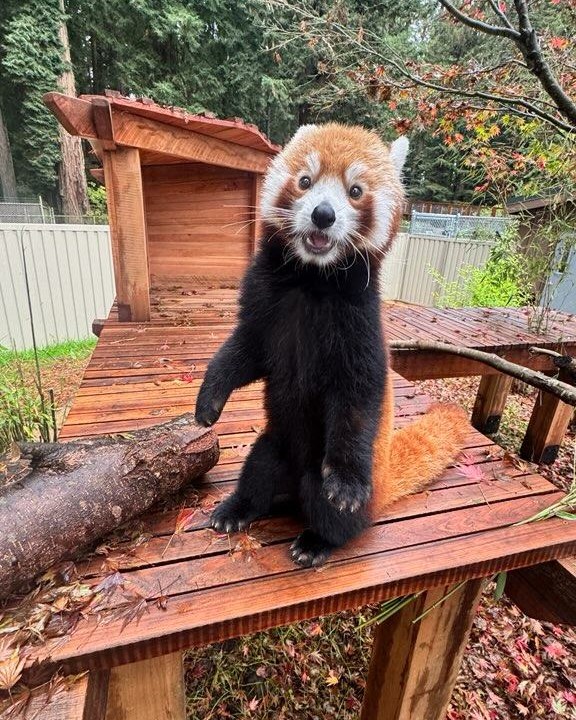
- Overview of Red Panda Conservation Efforts
- Insights into Habitat Renovation and Design
- Importance of Community Support and Funding
- The Role of Animal Care Teams in Animal Welfare
- Visitor Engagement and Educational Opportunities
Red pandas, native to the mountainous regions of Asia, are not just visually captivating; they play a significant role in the ecosystems they inhabit. However, their populations face threats from habitat loss, poaching, and climate change. The recent renovation of the red panda habitat signifies a proactive step in conservation efforts. This renovation supports the well-being of animals like Saffron while promoting awareness and education among the public.
The red panda habitat upgrade incorporates both ecological sensitivity and innovative design. Various elements have been integrated to reflect the natural environment where red pandas thrive. This includes climbing structures, enrichment opportunities, and vegetation that mimics their natural habitat. Such enhancements are crucial not only for physical well-being but mental stimulation as well. Red pandas, primarily arboreal, require ample climbing space. The new design addresses this need, imitating the trees and thickets found in the Himalayan foothills.
Community support and funding are vital for any successful conservation initiative. The Red Panda Improvement Project has been made possible through the generosity of various donors, notably the Christine & Jalmer Berg Foundation, Tyger Tea, and Coast Community Credit Union. Their contributions underscore the importance of collective action in conservation efforts. The involvement of local businesses and foundations can significantly amplify the resources available for animal care, habitat renovation, and educational outreach.
Animal care teams play a critical role in ensuring the welfare of red pandas like Saffron. These professionals possess specialized knowledge about the animals’ dietary needs, social behavior, and health monitoring. The transition to the new habitat involves careful observation and adjustments to Saffron’s care routine. Staff members remain vigilant about his health and well-being, providing him with a stress-free environment to explore. This hands-on involvement is essential for acclimatizing the red pandas to their newfound surroundings.
Visitors to the facility will greatly benefit from the upgraded habitat, fostering a connection with wildlife conservation efforts. This space not only houses red pandas but also serves as an educational platform. Interactive displays and informational signage will provide guests with insights into red panda behavior, habitat requirements, and conservation status. Engaging the community and providing informative resources enhances awareness of the conservation challenges faced by these animals.
In addition to animal care teams, the design features of the habitat include elements that encourage natural behaviors. For instance, food enrichment strategies, like hiding treats, stimulate problem-solving skills inherent in red panda behavior. Visitors can enjoy observing Saffron as he engages with his new environment, stretching exercises, climbing, and exploring.
Collaboration is foundational to wildlife conservation. The support from community members creates a network focused on sustainability and education. Each donation, no matter how small, contributes to a significant cause. By fostering a spirit of teamwork, local businesses, donors, and animal care teams can pool resources, share knowledge, and create a more substantial impact.
The science behind wildlife habitat renovation is crucial for understanding best practices in animal care. Research suggests that enriched environments lead to reduced stress and better well-being for captive animals. Facilities that successfully integrate natural habitat features into enclosures often observe more positive behavior and better health outcomes among their animal residents.
The educational aspect of the renovated habitat is equally important. Red pandas serve as ambassadors for their species. Through educational programming, visitors learn about the challenges red pandas encounter in the wild. This information inspires future generations to advocate for conservation efforts not only for red pandas but for a wide array of endangered species.
Saffron’s transition into the newly renovated habitat exemplifies the dedication to animal welfare and conservation. Observers can witness him in a space designed for exploration and enrichment. Every interaction between animals and visitors fosters empathy and understanding, encouraging a more profound commitment to preserving biodiversity.
The habitat design not only reflects aesthetics but also serves practical functions. Specific plants have been chosen based on their ability to provide shelter, food, and enrichment. Bamboo, a staple in the red panda diet, is a focal point in the design. Its strategic placement ensures Saffron has ongoing access to this important food source while also having spaces for climbing and exploration.
Fundamentally, the renovation project emphasizes sustainability. Sourcing materials responsibly and integrating eco-friendly practices is critical. These methods align with broader environmental goals, demonstrating a commitment to conservation beyond the immediate needs of the red pandas.
Finally, the ongoing commitment from the community makes a lasting impact. Each visit to the renovated habitat contributes directly to supporting animal welfare and education initiatives. Visitors not only enjoy their time observing Saffron but also become advocates for conservation. The intersection of knowledge and experience creates a platform where awareness can grow, fueling future conservation efforts.
By investing in the well-being of red pandas and educating the public, facilities can create a sustainable model for conservation. Saffron’s new habitat serves as a tangible reminder of the importance of collaboration, community involvement, and education in wildlife conservation. As we continue supporting such initiatives, we enrich the lives of animals and inspire a culture of stewardship towards our environment.
*****
Source Description
Habitat update!
Saffron has started the transition to the newly-renovated red panda habitat! ❤️🐼
His animal care team reports that he is settling in nicely, and lucky guests might catch a glimpse of him as he explores the new space. 🌱
Thank you to the Christine & Jalmer Berg Foundation, @tygerteaofficial, @coastccu & the many other generous donors that contributed to the Red Panda Improvement Project!
