
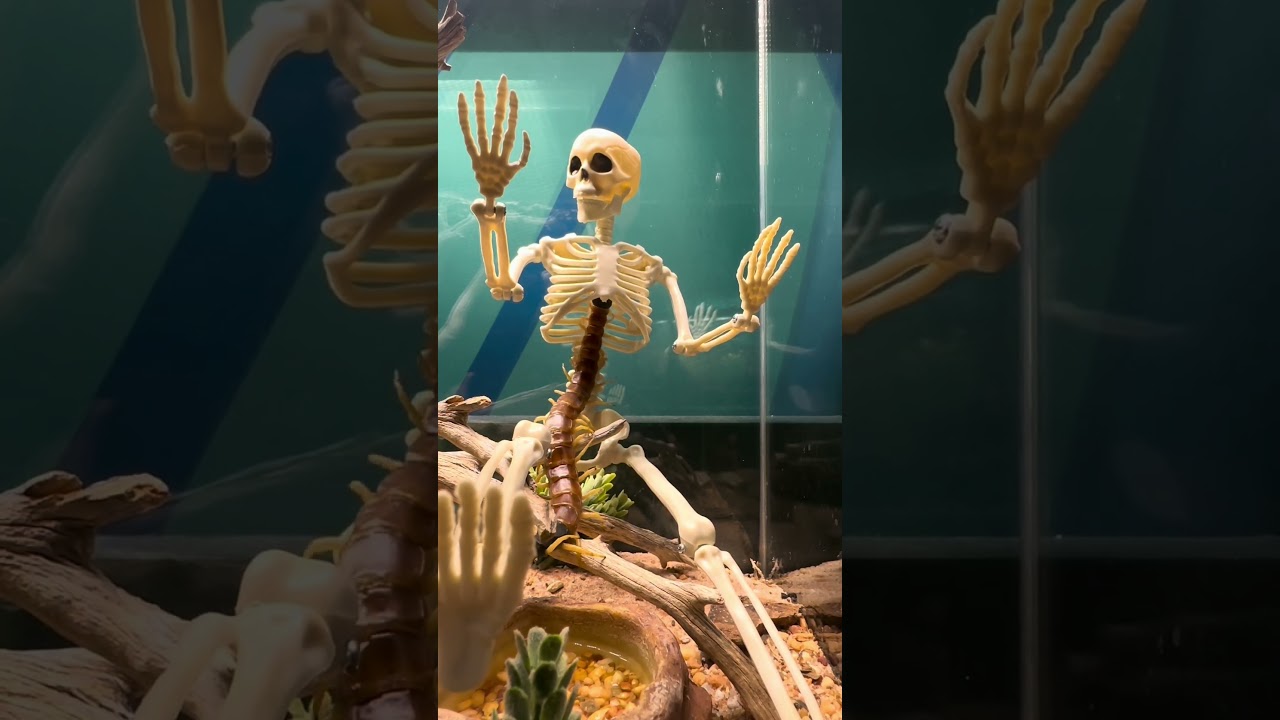
- The Halloween-themed activities at Audubon Aquarium, Audubon Insectarium, and Audubon Zoo.
- The significance of wildlife education during festive events.
- Conservation efforts highlighted in Halloween programming.
- The connection between community engagement and wildlife stewardship.
- The role of zoos in fostering a respect for biodiversity.
The Audubon Aquarium, Audubon Insectarium, and Audubon Zoo come alive each year during the Halloween season, providing a rich tapestry of educational and entertaining activities that capture the imagination of visitors of all ages. This festive occasion is not just about costumes and candy; it serves as a platform for education about marine life, insects, and wildlife, emphasizing the importance of conversation and biodiversity.
Various activities unfold throughout these attractions during Halloween. The Audubon Aquarium transforms into a mystical underwater haven, offering themed programs that focus on the creatures of the deep. Guests can explore the wonders of saltwater ecosystems while participating in engaging events like pumpkin-carving exhibitions that feature fish-friendly designs. The Insectarium, on the other hand, introduces attendees to the spooky side of bugs, allowing visitors to interact with a variety of insects while learning about their ecological roles. The Zoo complements these offerings with a variety of Halloween-themed events, where guests can enjoy trick-or-treating and animal encounters. Each location weaves together entertainment and education in a compelling fashion.
Education plays a vital part in the Halloween celebrations at these establishments. The engaging nature of the events cultivates curiosity about wildlife and reinforces the importance of preserving our natural environment. For example, the aquarium may showcase the impact of climate change on marine environments through interactive exhibits. These hands-on learning opportunities not only entertain but also empower young visitors to think critically about the challenges that marine life faces. Insects often get a bad reputation, yet the Insectarium uses creative activities to highlight their essential roles in pollination and decomposition. Such programs are instrumental in shaping young minds, fostering a sense of responsibility toward conservation.
The connection between Halloween festivities and conservation initiatives is noteworthy. Each attraction leverages the holiday to promote awareness about environmental issues and species preservation. For instance, during special presentations, visitors might learn about endangered species and how local conservation efforts positively impact these populations. The informed discourse that occurs through these programs is crucial for generating public interest and support for wildlife initiatives. Engaging guests in conversations about conservation fosters a sense of community responsibility toward environmental issues.
Community engagement is further emphasized during Halloween activities at the Audubon institutions. As families gather for trick-or-treating or interactive educational sessions, they form connections with one another and with the facilities. These gatherings reinforce the idea that wildlife conservation is a collective effort, and community involvement is essential for creating lasting change. When people experience nature in a fun and enchanting setting, they are more likely to feel connected to their local ecosystems and to take action to protect them.
The role of zoos and aquariums extends beyond entertainment; they are vital institutions for fostering respect for biodiversity. The programs at the Audubon Aquarium, Insectarium, and Zoo demonstrate how engaging and informative events can serve to inspire passion for wildlife. Visitors leave with newfound knowledge and a better understanding of the intricate web of life that supports our ecosystems. By engaging people through captivating experiences, these institutions play an essential part in promoting conservation and responsible stewardship of the environment.
The Halloween celebrations at Audubon institutions are filled with opportunities for hands-on experiences that culminate in memorable encounters with wildlife. For instance, guests might learn to identify different aquatic species while participating in interactive demonstrations that illustrate the importance of clean oceans. Similarly, observing live insect displays can provide a deeper appreciation for biodiversity and its crucial roles in ecosystems.
Pumpkin-themed events, like carve-offs and decorating contests at the Zoo, are not only fun but educational. Kids can learn about the diets of zoo animals as pumpkins are introduced into various animal habitats. Such activities underscore the idea that creative play can be intertwined with science and conservation. Understanding animal behavior through engaging experiences generates discussions about nutrition, habitat needs, and the importance of respecting wildlife.
Moreover, these Halloween activities offer a platform for highlighting ongoing research and conservation projects. The Audubon Zoo may include presentations about endangered species and local wildlife rehabilitation. Programs detailing the significant efforts in breeding and reintroduction of endangered species into their natural habitats provide guests with concrete examples of how their participation in these festivities contributes to broader conservation efforts.
Halloween themes also facilitate discussions on the role of dark and often misunderstood species in ecosystems, such as bats and spiders. These creatures, often the subject of fear during this festive season, play significant roles in pest control and pollination. By offering educational sessions that feature these species, the institutions demystify them, presenting important ecological contributions while challenging negative perceptions.
Participating in events like “Boo at the Zoo” can be a delightful experience for families. Activities such as scavenger hunts encourage visitors to explore wildlife habitats while collecting knowledge about different species. As families wander the grounds, they absorb information about wildlife, from their behaviors to their conservation statuses, encouraging a sense of stewardship that may continue long after Halloween festivities have ended.
The importance of partnerships with local schools and organizations cannot be overlooked. The Audubon institutions often collaborate with educators to create programs tailored to curriculum goals while also addressing wildlife conservation topics. Such collaborations strengthen community ties and develop a knowledgeable future generation excited about environmental stewardship.
As Halloween approaches, the Audubon Aquarium, Audubon Insectarium, and Audubon Zoo continue enhancing their programming, heightening the excitement by embedding education within festive activities. This unique blend encourages participants to explore, learn, and embrace wildlife through a holiday lens, enhancing both fun and knowledge.
The audience will find that the Halloween fun at these attractions is multifaceted, ensuring that each guest comes away with deeper insights into wildlife, ecosystems, and the urgent responsibilities we face regarding conservation. By bridging entertainment with education, these institutions cultivate a community that values diversity in nature and understands the significance of protecting it.
As visitors engage in the Halloween festivities at the Audubon institutions, the experience transcends mere entertainment; it becomes an opportunity for reflection on how each individual can contribute to conservation. The collective impact of educational engagement and community participation creates a more informed public, which is essential for achieving long-term success in wildlife conservation.
Ultimately, the Halloween season at the Audubon Aquarium, Insectarium, and Zoo represents far more than a seasonal celebration; it symbolizes a unified approach to education and conservation. By consistently intertwining educational endeavors with festive celebrations, these institutions play a crucial role in fostering a generation of environmentally conscious individuals who understand and appreciate biodiversity.
*****
Source Description
