
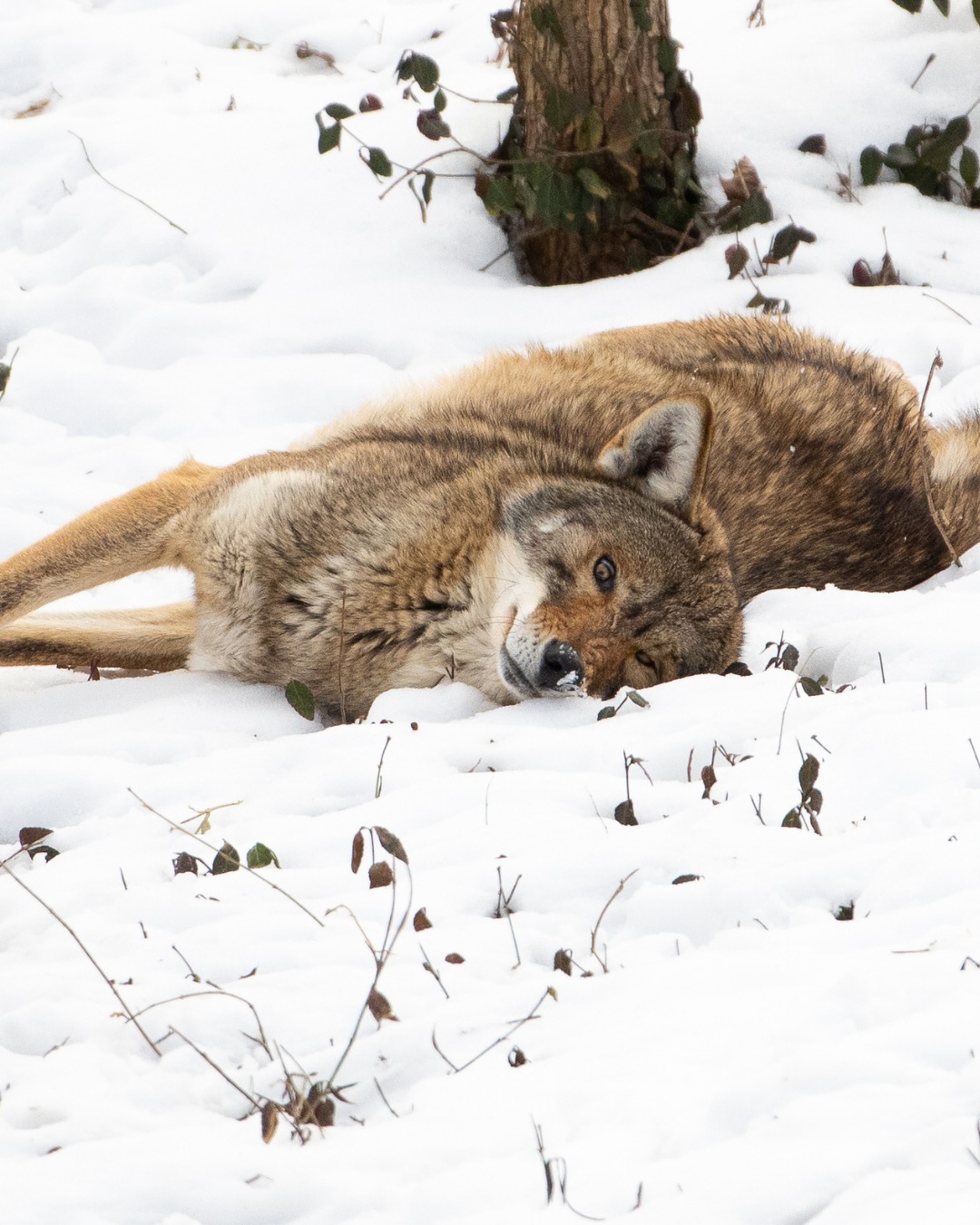
- Happy National STEM Day and its significance in education
- The role of wildlife study in STEM education
- Winter adaptations and their importance for wildlife
- Hands-on activities at the Winter Wolf Camp
- How families can engage in future STEM learning opportunities
Happy National STEM Day! This annual celebration shines a spotlight on the importance of science, technology, engineering, and mathematics education. It is a day aimed at sparking curiosity in students, encouraging interest in STEM fields, and increasing awareness about the vital role that these disciplines play in our lives. One way to engage young learners is through immersive experiences like the Winter Wolf Camp at the Endangered Wolf Center. This exciting event combines education with fun activities, making STEM learning both exciting and memorable.
National STEM Day promotes exploration in various areas, including wildlife studies. Learning about animals and their environments offers an excellent gateway into scientific inquiry. Wildlife biologists and conservationists rely on STEM skills to conduct research, assess animal health, and drive conservation efforts. By introducing children to the fundamentals of wildlife science, we ignite their passion for learning and encourage them to explore the interconnectedness of all living beings.
Understanding how animals adapt to their environments is vital in wildlife sciences. The Winter Wolf Camp dives into winter adaptations, an essential topic worthy of discussion on this day. Wolves, like many other animals, exhibit fascinating behaviors and physical changes to survive harsh winter climates. They grow thicker fur coats for insulation, Shift their hunting patterns to take advantage of prey availability during the colder months, and alter their social structures when food becomes scarce. These adaptations can serve as real-world examples of how species evolve in response to their environment. Activities centered around studying these topics can lead students to ask important questions about nature and survival.
At the Winter Wolf Camp, participants will engage in hands-on activities that make learning about wildlife both fun and actionable. Children will have the opportunity to analyze data collected from trail cameras set up around the facility. These cameras capture footage of wolves and other wildlife, allowing students to make observations about animal behavior. Understanding how to interpret media from these cameras helps kids learn essential data analysis skills, teaching them to think critically about the information presented to them.
In addition to study through observation, children will surely enjoy tracking activities. Searching for animal footprints in the snow provides a tangible way to connect with nature. Students will learn to identify different tracks, understand their significance, and what they can reveal about animal behavior and movement. This kind of activity fosters a greater appreciation for the environment while developing scientific observation skills.
Crafts and games are also key elements of the camp experience. Constructing wolf den replicas, for instance, allows children to learn about the social structures and habitats of these fascinating creatures. Games designed around wildlife conservation can illustrate the importance of protecting endangered species. By merging playful activities with scientific principles, kids can internalize valuable lessons about animal welfare and environmental protection.
Families looking to extend their STEM education experiences beyond National STEM Day can find countless avenues for exploration. Visiting local wildlife centers, engaging in nature hikes, or participating in wildlife volunteering can provide ongoing educational opportunities. Early exposure to STEM-related experiences cultivates an enduring love for learning and instills a sense of responsibility towards nature.
In conclusion, Happy National STEM Day underscores the vital role of education in shaping future leaders in science and conservation. Wildlife education, particularly through experiences like the Winter Wolf Camp, enriches young minds, framing complex scientific principles in accessible, engaging formats. As communities encourage participation in these types of programs, they lay the groundwork for a more informed, environmentally conscious generation. By embracing these opportunities, families not only celebrate National STEM Day but also contribute to the future of our planet’s ecosystems.
*****
Source Description
Happy National STEM Day!
Are your kids eager to learn more about wildlife? Digging into the science of nature and the wonders of the animal kingdom, we’re hosting a Winter Wolf Camp at the Endangered Wolf Center that includes learning about the animals’ amazing winter adaptations, looking through trail cameras, searching for tracks, and discovering the wonders of nature through hands-on activities, games, crafts, and outdoor exploration.
Sound right up your kid’s alley? Learn more through our website (link in bio).
