
- Overview of November Birthdays in the Animal Kingdom
- Profiles of Iconic Animals Celebrating Birthdays
- Importance of Species Diversity and Conservation
- The Role of Zoos in Wildlife Preservation
- Ways to Support Animal Conservation Efforts
November marks a time of celebration, not just for humans but also for various remarkable animals. As we celebrate the birthdays of these creatures, it is vital to highlight their unique characteristics and significance in their ecosystems. In this article, we will explore the stories of animals born in November, their habitats, and the vital role they play in nature. Moreover, it is an opportunity to discuss the imperative task of animal conservation and the efforts required to protect these species for future generations.
The celebration of animal birthdays brings a sense of joy and community, particularly among those who appreciate wildlife. It serves as a reminder of the bonds that exist between humans and animals. Each November-born animal has its own story, and understanding these stories enriches our knowledge and appreciation of biodiversity.
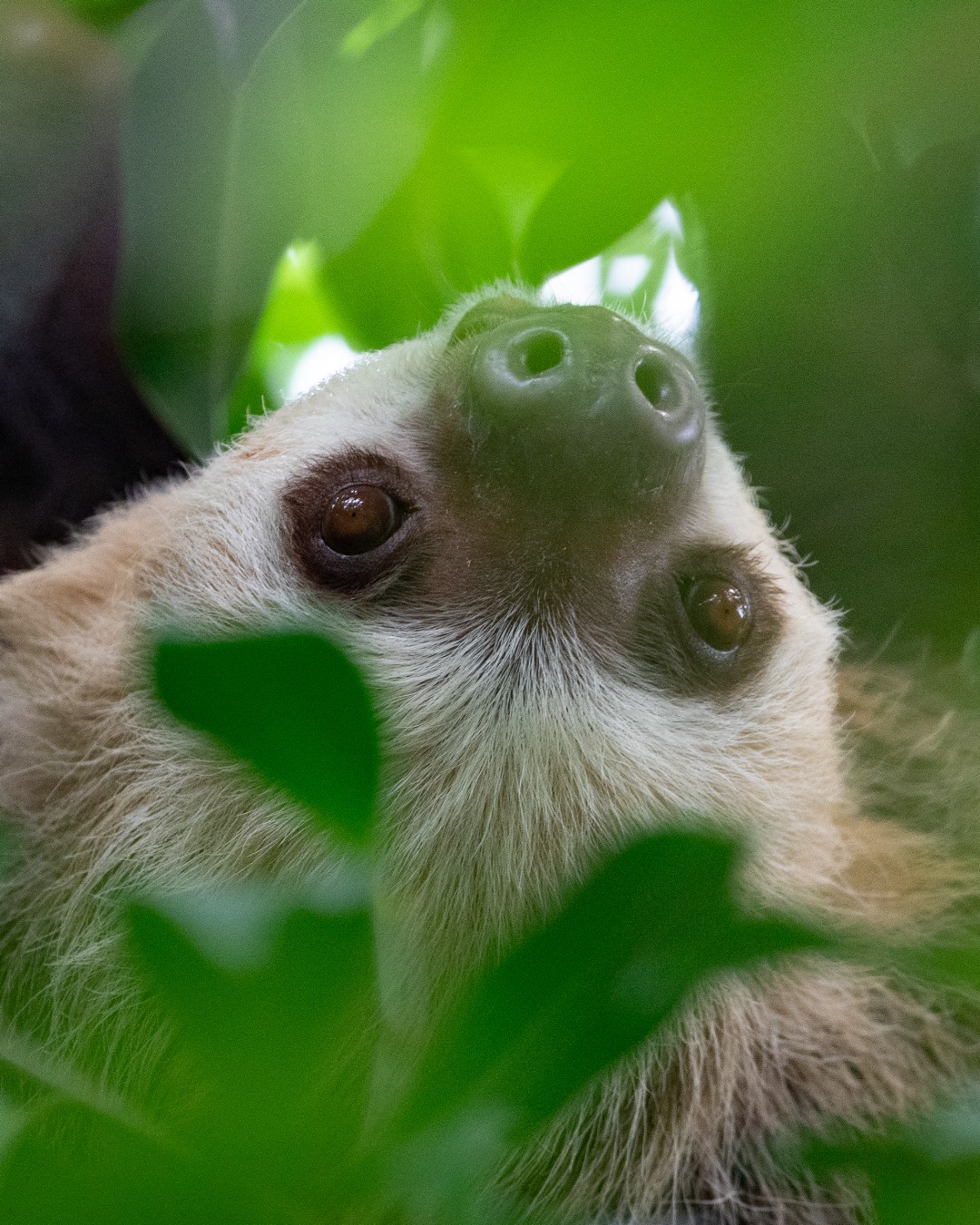
The profiles of the animals celebrating their birthdays in November encompass a diverse group ranging from sloths to gorillas to rhinos. Each species exhibits unique traits, behaviors, and ecological roles. For example, Fezzik the Hoffmann’s two-toed sloth, born on November 20, 2014, exemplifies the charm of slow-moving creatures who thrive in the tropical canopies of Central and South America. These sloths are known for their deliberate movements and algae that grow on their fur, which even plays a part in their camouflage against predators.
Kwame and Yola, both western lowland gorillas born on November 20, signify the importance of social structures within primate species. Gorillas are highly social animals who live in family groups led by a dominant male. Their interactions provide insight into complex emotional and social behaviors that mirror some aspects of human life. Additionally, these gorillas play a critical role in their habitat; as they consume fruit and vegetation, they aid in seed dispersal, contributing to forest regeneration.
The birthday of Glenn the greater one-horned rhino on November 11, 2016, represents the plight of rhinoceroses, which are critically endangered due to poaching and habitat loss. These large herbivores play a crucial role in maintaining the balance of grassland ecosystems. Their grazing habits promote diverse plant life, ensuring healthy habitats for various other species.
Francis the Luzon bleeding-heart dove, born on November 20, 2019, adds another layer to the celebration of animal diversity. Known for its striking coloration and delicate appearance, this dove is native to the Philippines and is often associated with local folklore and culture. However, habitat loss has made this species vulnerable, highlighting the need for sustainable development in its native range.
The birthday of Jamani the western lowland gorilla on November 12, 1999, further emphasizes the significance of gorilla conservation. Western lowland gorillas are currently facing threats from hunting and habitat destruction. Protecting these animals is essential not only for their survival but also for the ecosystems they inhabit.
Understanding the importance of species diversity is fundamental to conservation efforts. Each species, whether it be a sloth, gorilla, or rhino, contributes to a complex web of life. The loss of one species can have ripple effects throughout an ecosystem, leading to instability and decline. The interdependence of species supports the notion that when we protect one species, we inadvertently support others.
Zoos play a particularly vital role in this conservation effort. They act as sanctuaries for endangered species and serve as educational platforms for the public. Through breeding programs, zoos aim to increase populations of animals that are at risk of extinction. These programs can also foster genetic diversity, which is essential for the long-term survival of a species.
Furthermore, zoos engage in vital research that contributes to wildlife conservation methods globally. They collect data on animal behavior, health, and genetics. This research can inform strategies on how to manage species in their natural habitats. Conserving animals in zoos is often a collaborative effort that involves international organizations, governments, and local communities. This collaboration is crucial as endangered species face threats that transcended borders.
Individuals looking to support animal conservation efforts can take a variety of actionable steps. First, educating oneself about threatened species and the challenges they face enhances awareness. When the public is informed, it translates into greater support for conservation initiatives.
Second, supporting accredited zoos and wildlife rescue organizations can bolster conservation efforts. Contributions through donations, volunteer work, or even visiting local zoos can have a positive impact. Many zoos dedicate a portion of their resources to conservation projects in the field, directly aiding species survival in the wild.
Third, consumers can play a role by making environmentally conscious choices. Supporting sustainable products and practices reduces environmental damage and helps protect natural habitats. Campaigning for policies that promote wildlife protection also lends a voice to endangered species.
Lastly, advocacy for habitat preservation is crucial. By conserving and restoring natural habitats, we can safeguard the places where many of these November-born animals thrive. Organizations globally engage in initiatives to protect habitats from deforestation, mining, and development.
Celebrating November birthdays for these remarkable animals fosters a deeper connection with wildlife. Appreciating their unique traits and understanding their struggles enhances our commitment to conservation. The stories of Fezzik, Kwame, Glenn, Jamani, and Francis serve as reminders that each animal plays an important role in the tapestry of life.
Every birthday also represents a chance to reflect on the state of conservation and the work that lies ahead. As we honor these animals, it is imperative to acknowledge that their futures depend on collective efforts to ensure their survival. The next time we celebrate a birthday, be it human or animal, let it reaffirm our dedication to protecting the precious species of our planet.
As November concludes, let the stories of these animals continue to inspire efforts in environmental stewardship and animal conservation for years to come. Their birthday celebrations become a rallying point to advocate for those who cannot speak for themselves in the face of overwhelming challenges in nature.
*****
Source Description
Happiest birthday to all of our November babes!
Fezzik the Hoffmann’s two-toed sloth: Nov. 20, 2014
Kwame the western lowland gorilla: Nov. 20, 1999
Glenn the greater one-horned rhino: Nov. 11, 2016
Jamani the western lowland gorilla: Nov. 12, 1999
Francis the Luzon bleeding-heart dove: Nov. 20, 2019
Yola the western lowland gorilla: Nov 20, 2015
