
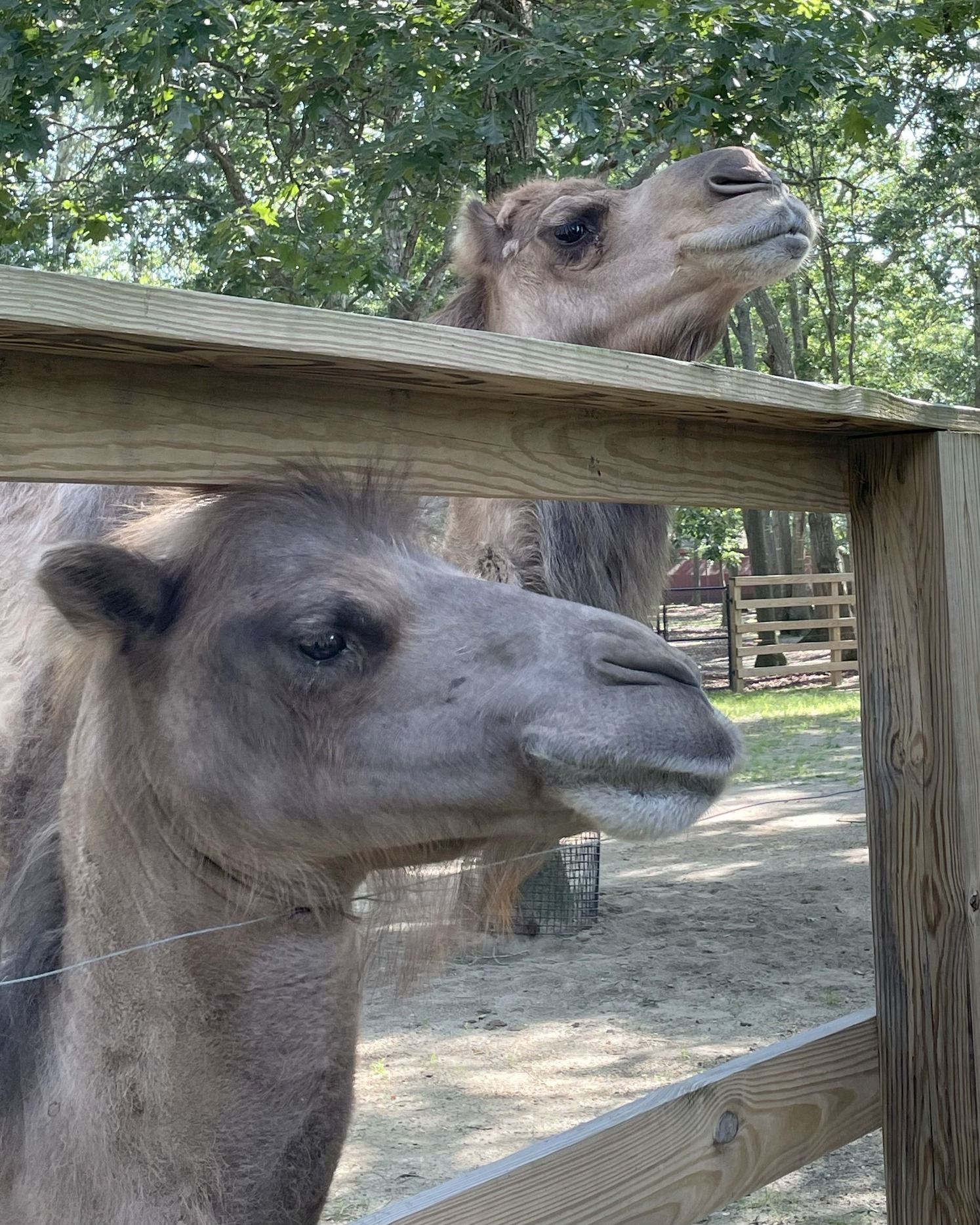
- Overview of Happy Camel Day and its significance
- Characteristics and differences between Bactrian and Dromedary camels
- The cultural and ecological importance of camels
- Zookeeping and conservation efforts surrounding camels
- Opportunities for public engagement with camels
Happy Camel Day is a celebration designed to highlight the fascinating lives of camels, particularly focusing on two species: the Bactrian camel and the Arabian camel, commonly referred to as the Dromedary. This event serves as a platform for education, conservation awareness, and community engagement. As zoo-goers are introduced to the remarkable features and capabilities of these animals, they gain a richer understanding of their importance in both ecosystems and human culture.
Bactrian camels are distinguished by their two humps, resembling a sideways "B." These camels are native to Central Asia, where they thrive in the cold deserts of Mongolia and China. Their adaptations include a thick coat that provides insulation against frigid temperatures, along with the ability to store fat in their humps. This fat stores energy and is metabolized when food is scarce, enabling these camels to survive in harsh conditions.
In contrast, the Dromedary camel has a single hump, shaped like a sideways "D," and is found predominantly in North Africa and the Middle East. These animals are exceptionally adapted to arid environments, showcasing remarkable physiological traits to endure heat and limited water sources. For example, Dromedaries can tolerate temperature fluctuations that would be intolerable for most mammals, varying from 34°F (1°C) at night to 120°F (49°C) during the day. They can also drink up to 30 gallons of water in a single sitting and can survive for weeks without it.
Understanding the differences between these two types of camels goes beyond mere anatomy. Each species plays a significant role in its native habitat. Bactrian camels contribute to the ecosystem by grazing on diverse vegetation, which helps maintain the balance within their environment. Dromedaries, on the other hand, are often used by local tribes as pack animals, showcasing their importance in human culture and economic activities.
Culturally, camels have been integral to human societies for centuries. Their strength and endurance made them vital for trade across the Silk Road and facilitated the exchange of goods, culture, and ideas. Events like Happy Camel Day encourage people to appreciate this historical relationship while recognizing the continuing relevance of camels in modern society.
In terms of conservation, both camel species face various threats. Climate change, habitat loss, and overgrazing are significant issues. For instance, the increasing desertification due to global warming is undermining the natural habitats of Bactrian camels, making their survival more precarious. Meanwhile, Dromedaries are often over-utilized in agricultural settings, leading to population declines. To combat these challenges, modern zoos engage in conservation programs aimed at educating the public while facilitating breeding programs to increase genetic diversity among captive populations.
Engagement opportunities on Happy Camel Day are compelling. Zoos often offer special programs, including interactive encounters with Walter and Marty, the Bactrian and Dromedary camels, respectively. Attendees can learn firsthand about their behavior, diet, and daily care from knowledgeable zookeepers. These experiences bring educational concepts to life, enabling participants to form emotional connections with the animals. Activities may include feedings, workshops, or presentations, all designed to deepen understanding of the species’ importance.
Zookeepers play a crucial role in the daily management and care of camels. Their responsibilities include assessing the health and wellbeing of the animals, maintaining habitats, and facilitating breed management programs. Effective husbandry ensures that both Bactrian and Dromedary camels thrive in captivity. Zookeepers must have extensive knowledge of camel behavior and biology to provide the best care possible.
Modern zoos also engage in research activities that contribute to the understanding of camel biology and conservation strategies. For example, studies may evaluate the effects of climate change on camel physiology or investigate optimum dietary practices for camel health. Such research provides insights that benefit both captive care and wild populations.
Happy Camel Day also presents a unique opportunity for conservation education. Visitors are informed about the ecological roles camels play in their ecosystems. These animals not only serve as grazers but also contribute to soil health by aerating it with their hooves and dispersing seeds through their dung. Understanding these dynamics fosters appreciation for the interconnectedness of species and encourages responsible environmental stewardship.
In summary, Happy Camel Day provides a multi-faceted experience aimed at education, conservation, and community engagement. Through interaction with camels like Walter and Marty, the public gains insights into the lives of Bactrian and Dromedary camels while recognizing their significance in both ecological and cultural contexts. Events such as these foster a deeper appreciation for wildlife and the challenges they face, ultimately inspiring action towards their conservation.
As zoos continue to facilitate encounters with these remarkable animals, they increase community awareness about the importance of wildlife conservation. By supporting initiatives like Happy Camel Day, the public can contribute to the ongoing efforts to protect these animals and their habitats, ensuring that future generations will have the opportunity to appreciate camels in all their grandeur.
*****
Source Description
Happy Camel Day! 🐫🐪
Don’t mind the heat? Neither do they! Stop by to see Walter, a Bactrian camel, and Marty, an Arabian (aka Dromedary) camel, on your next zoo visit. These two species are easy to tell apart, because they have a different number of humps! Bactrian camels have two humps (that look like a sideways “B”), and Dromedary camels have one hump (that looks like a sideways “D”). Did you know: you can book an encounter with Walter and Marty on the zoo’s website!
(📷: Zookeeper Whitney)
