
- The significance of celebrating animal birthdays in zoos
- Overview of capybaras, focusing on their biology and behavior
- Importance of enrichment activities for zoo animals
- The educational role of zookeeper apprentice programs
- Wildlife conservation efforts and the role of zoos
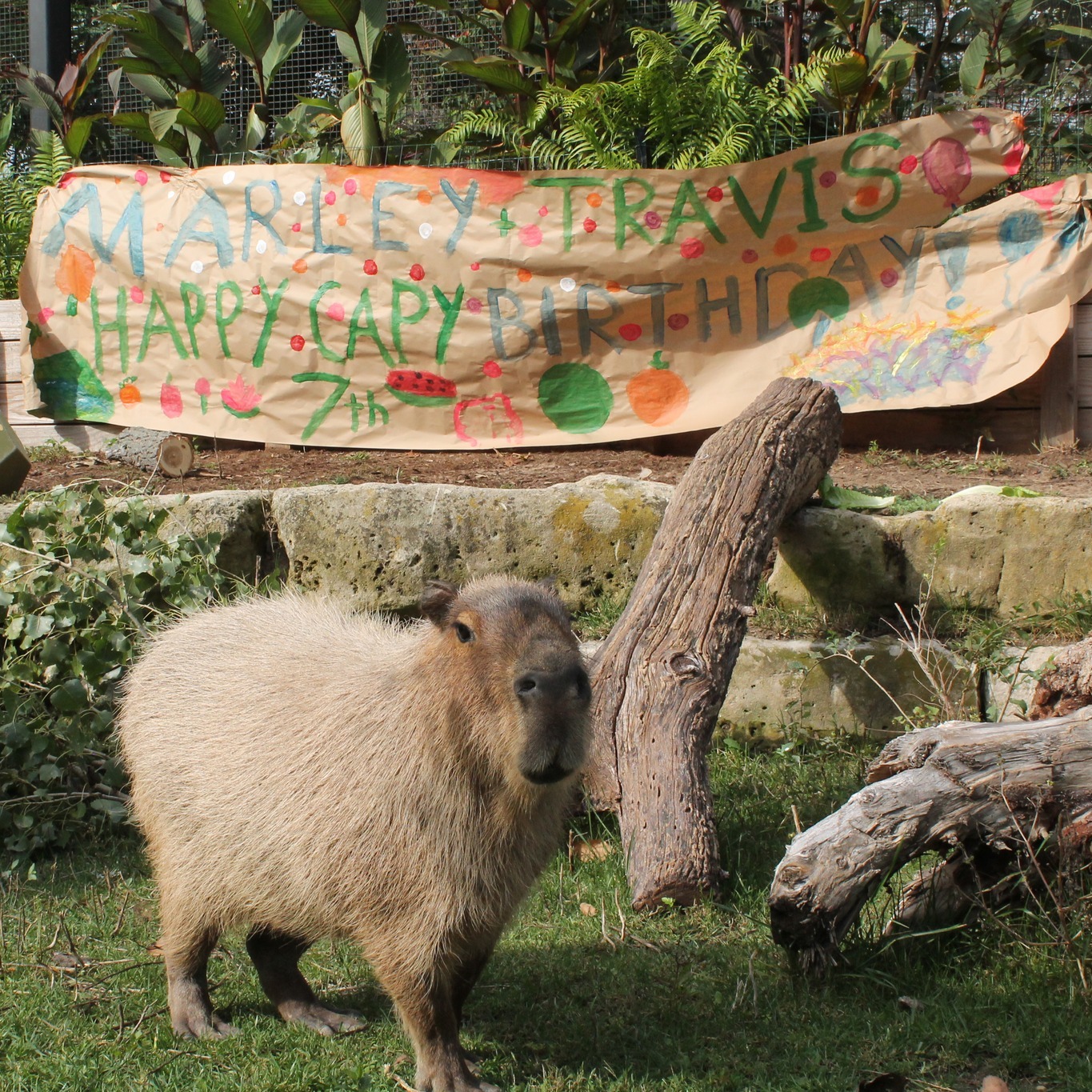
Celebrating animal birthdays in zoos serves many purposes. It fosters a connection between visitors and the animals, promotes awareness about species, and provides educational opportunities. When we celebrated a very happy cappy birthday last week for Travis and Marley, our capybara duo, we engaged our community and raised interest in wildlife through this festive occasion. Celebrating animal birthdays brings joy to both the animals and their human supporters alike, enhancing the overall zoo experience.
Capybaras, native to South America, are the largest rodents in the world. They can weigh between 77 to 150 pounds and reach lengths of up to 4.5 feet. These semi-aquatic mammals are known for their social nature, often living in groups of 10 to 20 individuals. Understanding their biology is fundamental, as they possess webbed feet that facilitate swimming, allowing them to thrive in wetland habitats. Capybaras are herbivorous, primarily grazing on grasses and aquatic plants. Their digestive system is efficient and adapted to process high-fiber diets.
The celebration of Travis and Marley turning seven was accentuated by a bright birthday banner painted by our Zookeeper Apprentice Program students. This artistic contribution not only celebrated the day but also highlighted the capabilities of young individuals passionate about animal care and conservation. These aspiring zookeepers engage in hands-on experience, learning vital skills that will assist them in future conservation efforts. They partake in various activities, some of which include maintaining enclosures and preparing diets, giving them an idea of animal husbandry.
Enrichment activities play a pivotal role in promoting the well-being of zoo animals. For the birthday festivities, our care team prepared an array of festive enrichments. Streamers and a decorated foraging ball provided a stimulating environment that encourages natural behaviors. Enrichment is a scientific approach aimed at improving the quality of life for animals in captivity. By mimicking their natural habitat and stimulating their senses, enrichment activities can reduce stress and promote engagement among animals.
The foraging ball is particularly interesting. It is designed to encourage capybaras to interact with their environment as they search for hidden treats, which is crucial for their mental and physical health. This type of activity helps in combating boredom and encourages the animals to explore their space. Over time, research has shown that animals who receive regular enrichment are less likely to exhibit stress-related behaviors, leading to more positive outcomes in terms of overall health.
Our zookeeper apprentice program plays a crucial educational role as well. With an emphasis on animal welfare, these apprentices are trained on how to observe animal behavior, which is essential for monitoring their health. This hands-on experience is invaluable as it provides insights into the practical aspects of zoo management and animal care. As they witness how various species interact with their environment, they build a comprehensive understanding of animal needs and behaviors.
Many might not be aware, but zoos are increasingly becoming instrumental in wildlife conservation. They serve not only as places to view animals but also as key players in various conservation initiatives. Captive breeding programs are essential for endangered species and often help bolster wild populations. For example, zoo-based programs have assisted in the recovery of species such as the California condor and the black-footed ferret.
These conservation efforts extend far beyond the zoo’s walls. Zoo professionals often participate in field research, work with local communities, and support habitat preservation. Educational programs aim to instill a sense of responsibility and awareness regarding wildlife challenges. Through events like Travis and Marley’s birthday, visitors not only celebrate but also come away with a richer understanding of the need for conservation.
Visitors are encouraged to come and wish Travis and Marley a happy belated birthday during their next visit. It is moments like these that transform zoo experiences into learning opportunities. Awareness can lead to appreciation, and appreciation can lead to advocacy for wildlife.
As animal care continues to evolve, zoos will play an increasingly important role in educating the public about biodiversity and conservation efforts. The celebration of birthdays brings communities together, fostering excitement and interest in wildlife issues.
Further, studies have shown that interacting with animals can have therapeutic benefits for humans. These connections are invaluable, especially in a world facing various environmental issues. By engaging the public through birthday celebrations and educational programs, zoos are not just showcasing species but are instilling a passion for wildlife stewardship.
Travis and Marley’s birthday celebration is a perfect example of how such events can support animal welfare and educational initiatives. Every detail—from the vibrant banner to the enrichment activities—reflect a commitment to the health and happiness of our capybara residents. By focusing on providing a stimulating environment, promoting education among aspiring zookeepers, and encouraging community involvement, we illustrate the multifaceted role that modern zoos play.
Additionally, the importance of understanding capybara behavior cannot be overstated. Their natural adaptations allow them to thrive in specific environments, and understanding these aspects can further enhance their care in captivity. Observations made by zookeepers can lead to tailored enrichment strategies, resulting in the promotion of natural behaviors, ultimately improving animal welfare.
Encouraging the next generation of wildlife professionals through comprehensive education programs is vital. Our zookeeper apprentice program enables students to gain experience while actively contributing to conservation efforts. The encouragement of artistic expression, as seen in the birthday banner, allows participants to connect their creativity with wildlife conservation, fostering a deeper understanding of the animals they work with.
As we consider the larger picture, the conservation of species like the capybara exemplifies the interconnectedness of ecosystems. By advocating for habitat preservation and engaging individuals in wildlife conversations, we are not just celebrating birthdays; we are building a foundation for a future committed to protecting biodiversity.
Opportunities to engage with animals and learn about their importance in the ecosystem are pivotal in shaping attitudes toward wildlife conservation. The relevance of celebrating animal birthdays transcends simple festivities; it builds community and fosters a shared responsibility to protect our planet’s wildlife.
As we continue to celebrate milestones like Travis and Marley’s birthday, we encourage everyone to take an active role in wildlife conservation. By increasing awareness and appreciation for animals, we cultivate a generation that values biodiversity and works for its preservation.
Next time you visit, come share in the joy of animal celebrations. Witness firsthand how such events contribute not just to the lives of our animal residents but also to the global movement for wildlife conservation. Every birthday counts, and together, our efforts can make a significant impact.
*****
Source Description
We celebrated a very happy cappy birthday last week as Travis and Marley turned seven! 🎂7️⃣
Students from our Zookeeper Apprentice Program painted a vibrant birthday banner for them, and our care team provided festive enrichment, including streamers and a decorated foraging ball.
Come wish these capys a happy belated birthday on your next visit!
Photo Credit: Keeper Sarah R.
