
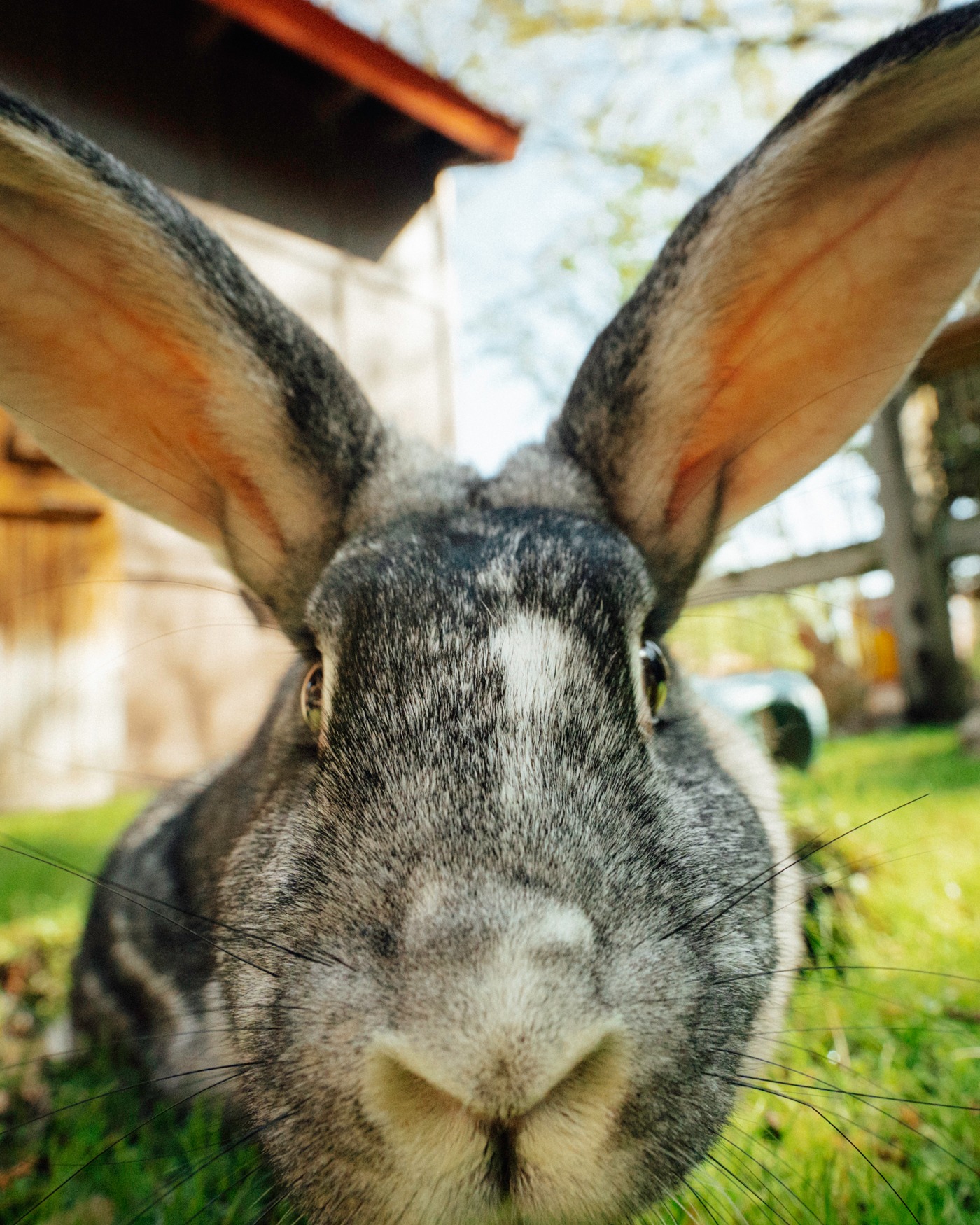
- The significance of Easter celebrations in relation to wildlife and community engagement.
- Insights into zoo management practices and facilities, specifically focusing on children’s education and interaction with animals.
- The ecological and conservation status of rabbit species featured in Kids’ Zoo.
- The role of zoos in wildlife conservation and public education.
- Practical tips for visitors to enhance their experience during Easter celebrations at the zoo.
Easter is a time of joy and celebration, marked by various traditions that often foster a deeper connection to nature and animals. As families come together for festivities, zoos play a crucial role in promoting wildlife awareness and appreciation. The invitation, “Happy Easter! We’re open all day! Come visit our bunnies in Kids’ Zoo!” embodies not just an opportunity for fun, but it also highlights the essential connection between human activity and wildlife.
The celebration of Easter often coincides with themes of fertility and renewal, which align closely with the natural behaviors of many animals, especially rabbits. Throughout history, rabbits have been symbols of fertility due to their reproductive prowess. This connection to nature fosters an environment where children learn about life cycles, ecosystems, and the importance of conservation. Families visit zoos not only to admire the animals but to understand their roles within the environment. The presence of bunnies in Kids’ Zoo provides an educational platform to introduce children to concepts of compassion and responsibility toward all living beings.
Zoo management plays an indispensable role in creating a visitor-friendly environment. A successful zoo operates under a structured management system that prioritizes animal welfare, guest experience, and educational outreach. The design of Kids’ Zoo typically includes interactive exhibits where children can observe and safely engage with small animals like rabbits. This immersive interaction sparks curiosity in young minds, fostering an appreciation for wildlife. Furthermore, well-trained staff are essential in ensuring a safe and educational experience. They lead programs that guide children through various activities, providing invaluable insights into animal care and behavior.
On Easter, this engagement takes on a heightened significance as families enjoy holiday-themed activities while learning about animal habitats and behaviors. Safe petting areas may allow children to interact directly with rabbits, observing their grooming habits, dietary needs, and social behaviors. These interactions are not just entertainment; they serve as teaching moments in understanding the ethical treatment of animals.
Focusing specifically on rabbits, various species often seen in zoos can provide critical insights into conservation needs. For instance, the European rabbit (Oryctolagus cuniculus) is widely recognized, yet it faces significant threats from habitat loss and disease. Other species, like the endangered Eastern cottontail (Sylvilagus floridanus), contribute to local ecosystems but are also at risk. Understanding the plight of these animals can inspire young visitors to consider their role in wildlife conservation. By instilling a sense of responsibility early on, zoos can cultivate future advocates for animal welfare.
Conservation efforts within zoos extend beyond caring for individual animals; they often aim to support broader environmental initiatives. Many zoos participate in breeding programs designed to maintain genetic diversity and eventually reintroduce species into their natural habitats. In the case of rabbits, maintaining a genetically diverse population is vital to combating issues like disease susceptibility and ecological changes. Educational programs during events like Easter often emphasize these efforts, allowing visitors to grasp the interconnectedness of species and ecosystems.
For those planning to visit Kids’ Zoo on Easter, there are some practical tips to maximize enjoyment. First, arrive early to avoid long lines and enjoy quieter interactions with animals. Use the opportunity to participate in guided tours that may include interactive activities tailored to children. Zoos often have special Easter-themed events, such as egg hunts or crafts, which enrich the visit and make the educational components more engaging for kids. Don’t forget to take part in any conservation discussions or animal talks offered throughout the day; these provide invaluable insights into the everyday lives of zoo residents.
Lastly, consider the impact that zoo visits have on local ecosystems. While it may seem purely recreational, each ticket sold contributes to conservation efforts and animal care, reinforcing the idea that responsible recreation supports wildlife. Visitors can also take this message home, educating friends and family about the importance of protecting natural habitats.
In summary, “Happy Easter! We’re open all day! Come visit our bunnies in Kids’ Zoo!” is not just a cheerful greeting but a call to engage with a vital part of wildlife conservation and education. Through interactive learning experiences, younger generations become informed and passionate advocates for the natural world. Zoos serve as essential environments for both public education and the protection of vulnerable species, making every visit an opportunity to foster a commitment to environmental stewardship.
The joy of celebrating Easter at a zoo, enriched by the presence of vibrant animals, is an experience that can unlock a lifetime of appreciation for wildlife. Families can take pride not just in the fun they have, but in the knowledge they gain and share. As we look toward the future, the lessons learned on occasions like these will resonate, influencing behaviors and attitudes toward wildlife conservation for years to come.
*****
Source Description
Happy Easter! We’re open all day! Come visit our bunnies in Kids’ Zoo!
