
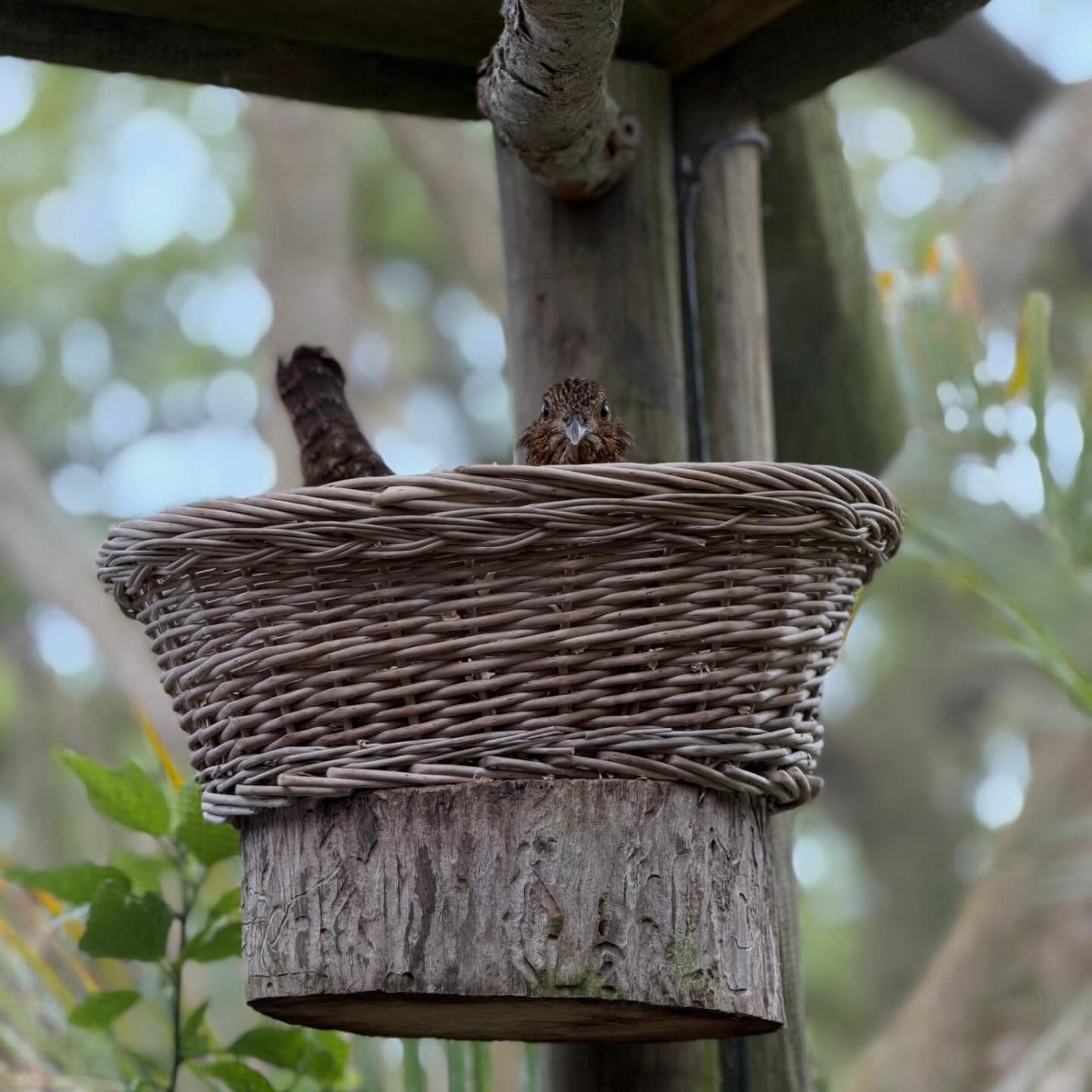
- Introduction to Poppy, the Cabot’s tragopan
- Overview of Cabot’s tragopan behavior and characteristics
- The significance of Easter in wildlife settings
- Zoo management and conservation efforts related to the species
- Visitor experience and educational engagement
Poppy, our delightful Cabot’s tragopan, is currently nestling in a cozy spot, embodying the beauty of spring and the spirit of renewal. As a unique species of pheasant native to the forests of Southeast Asia, the Cabot’s tragopan (Tragopan caboti) represents an important part of avian biodiversity. This striking bird stands as a symbol of the conservation challenges faced by many species today.
The male tragopan showcases vibrant colors, featuring iridescent reds, blues, and yellows, while the female adopts a more understated palette for camouflage. Poppy, however, captures the imagination not just with her looks but with her distinctive behaviors. During the breeding season, male tragopans perform elaborate courtship displays, known for their aesthetic splendor and social interaction. These displays can involve vocalizations, wing adjustments, and even elaborate dances. This behavior is crucial in attracting a mate and ensuring the continuation of the species.
Understanding the habits and characteristics of the Cabot’s tragopan reveals the broader ecological tapestry in which they exist. These birds prefer dense, moist forests where their diet comprises fruits, seeds, and insects. Their ability to adapt to their environment is noteworthy—though both male and female tragopans are ground-dwelling, they retain strong flight capabilities. This duality aids their survival against terrestrial predators while allowing them to forage effectively.
On this Sunday, as we celebrate Easter, it is pressing to connect the rebirth symbolized by the holiday with the renewal found in wildlife. Easter emphasizes themes of new beginnings and emergence from darkness into light—a narrative that resonates throughout nature. For birds like Poppy, spring is a pivotal time for nesting and raising young. During the nesting period, females engage in protective behaviors, often creating nests in well-concealed locations. Poppy is currently embodying the essence of this time, dedicating her energies to nurturing future generations of tragopans in a safe environment.
Reflecting on the themes of Easter extends into zoo management and wildlife conservation efforts focused on species preservation. The Cabot’s tragopan, along with many others, faces threats such as habitat loss and hunting pressures. Conservation programs and captive breeding initiatives are vital for establishing stable populations and reducing extinction risk. Modern zoos play a significant role in not only protecting endangered species but also in educating the public about conservation.
By engaging visitors through interactive exhibits and educational programs, zoos can foster an appreciation for wildlife and the efforts required to protect it. Such initiatives often include the opportunity for visitors to learn about specific species, like the Cabot’s tragopan, in a hands-on manner. Educational demonstrations may feature keeper presentations that outline the daily routines of birds, the importance of genetic diversity in breeding programs, and how the community can contribute to conservation through sustainable practices.
Poppy serves as a focal point of these efforts, allowing zoo staff to highlight her role in the lifecycle and ecology of the tragopan. Through Poppy’s story, visitors gain insight into the survival challenges faced by her species and the ongoing endeavors to protect them. This education can lead to greater public engagement, inspiring individuals to become advocates for wildlife conservation.
Today, in honor of Easter, our zoo welcomes guests from 9 AM to 5 PM. Families are invited to hop on down and experience a day filled with learning and joy. Our curated events will include guided tours, educational talks about various bird species, and specific activities that focus on the Cabot’s tragopan. Engaging with visitors helps demystify the complex connections between humans and wildlife while reinforcing the notion that everyone can play a part in conservation efforts.
The profile of Poppy, sitting serenely in her nest, is more than just a delightful image; it encapsulates the broader narrative of avian life and preservation. As we celebrate this holiday, let her story remind us of the impact we can generate through fostering an understanding of our environment and the species that inhabit it.
Birdwatchers often highlight the striking plumage of Poppy and her fellow tragopans, but the significance of these birds goes beyond aesthetics. The vibrant colors serve as a signal for breeding success, as brighter and more colorful males often attract more mates. However, color also plays a role in their survival in the wild; camouflage is essential for females during the nesting season.
Furthermore, Cabot’s tragopans possess the ability to thrive in forest habitats through their foraging habits. They play a key role in seed dispersion, contributing to forest health and regeneration. By consuming fruits and seeds, these birds assist in maintaining diverse ecosystems while benefiting their own survival. Their ecological importance makes it vital to promote measures that safeguard their habitats.
Efforts to conserve and educate about species like the Cabot’s tragopan have led to collaborative initiatives among zoos, wildlife reserves, and conservation organizations. Programs supporting habitat restoration, legal protection against hunting, and public awareness campaigns are essential. These partnerships reinforce the notion that saving species requires a community effort, extending from specialized institutions like zoos to the general public.
As we open our doors to visitors on this Easter, we aim to deepen their understanding of wildlife conservation. By experiencing the world of Poppy and her counterparts firsthand, they can develop a genuine appreciation for birds and the intricate bonds within ecosystems. Educational signage around the habitat will elucidate the essential components of tragopan life, their role in the forest, and the complexities of their conservation status.
We encourage every guest to consider how their actions, whether through reducing plastic use, supporting wildlife-friendly policies, or spreading awareness, can benefit the environment. Education does not stop at the zoo gates; it extends into families’ everyday lives. Small changes and conversations about species like Poppy can contribute to larger trends in wildlife conservation.
As we ponder Poppy’s impending motherhood and the significance of Easter, the significance of such experiences cannot be overstated. Each generation of zoo visitors revels in the opportunity to connect with nature and learn about the biodiversity surrounding them. This connection fosters a passion for wildlife that extends beyond the confines of the zoo, encouraging future conservationists.
Our celebration today isn’t just about enjoying spring and the holiday spirit; it is also about the continuing commitment to protecting our planet’s wildlife. We invite everyone to embrace this philosophy, connecting with nature through responsible engagement and conservation-minded actions.
Every visit to see Poppy is a step toward a more profound understanding of our world. As she sits in her nest, we can reflect on the responsibilities we share toward preserving not only the Cabot’s tragopan but all species facing similar challenges. Together, through awareness and dedicated actions, we can ensure a thriving future for birds like Poppy.
Join us and experience Poppy and her beautiful habitat firsthand—it’s an opportunity to learn, engage, and celebrate springtime, all while contributing to a greater cause. Today, we stand together in support of wildlife conservation, embodying the spirit of Easter as we witness one of nature’s most captivating stories unfold.
*****
Source Description
Happy Easter from Poppy, our Cabot’s tragopan, sitting in her nest 🐣 We’re open today from 9am to 5pm. Hop on down!
📸 Jessie, Senior Bird & Mammal Keeper
