
- Exploring Louie’s Role in Conservation Efforts
- Understanding the Biology and Behavior of Gharials
- Celebrating Louie’s Life and Milestones
- The Importance of Maintaining Natural Habitats
- The Challenges Facing Gharials in the Wild
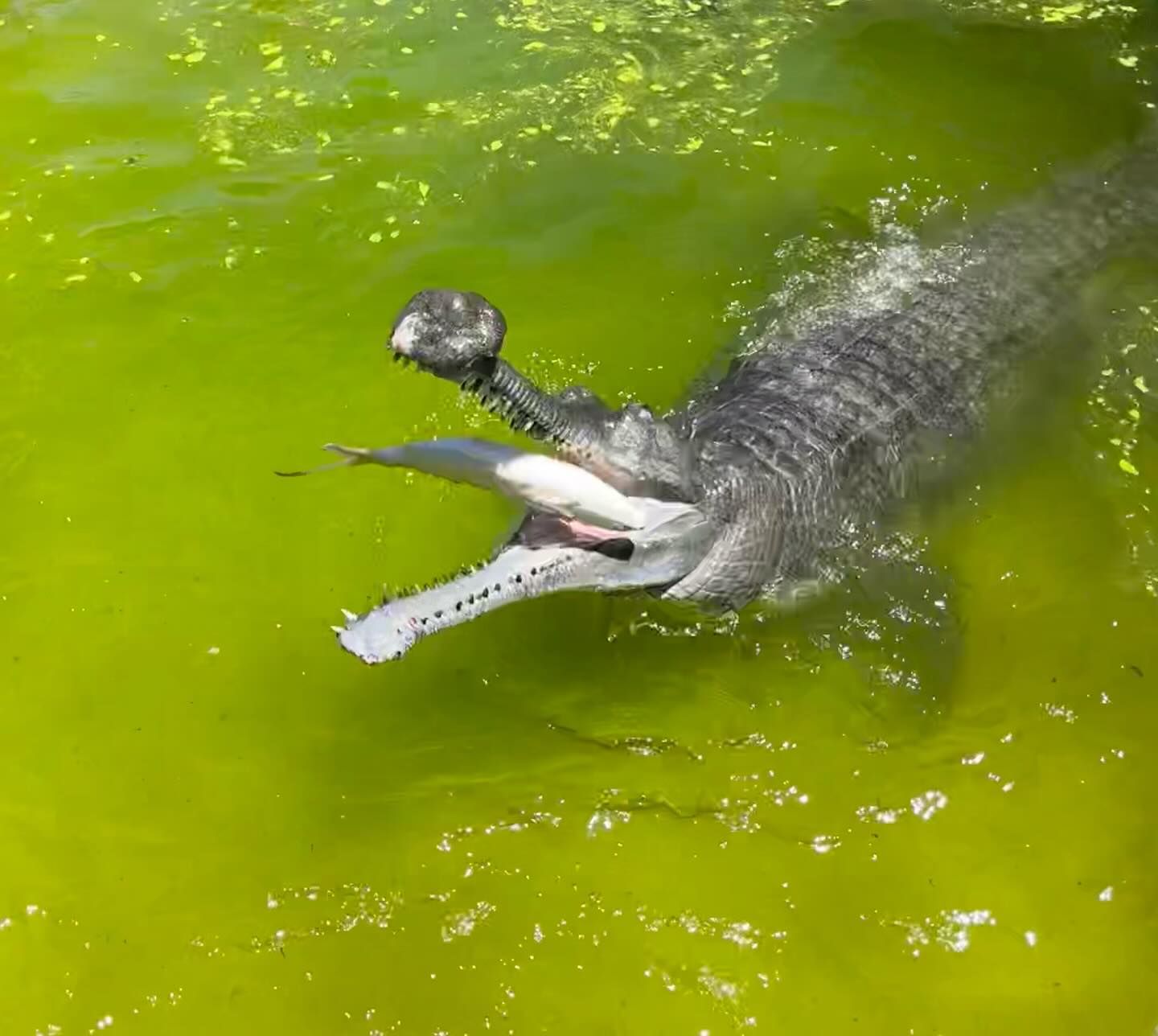
Happy Hatch Day to our boy Louie the gharial! Today, we celebrate not just a birthday, but an extraordinary journey of 40 years filled with toothy grins, tranquil river vibes, and countless fishy feasts. Louie’s birthday is a perfect opportunity to highlight the importance of gharials in their ecosystems and promote awareness about the conservation efforts needed to ensure their survival.
Exploring Louie’s Role in Conservation Efforts
Louie isn’t just a beloved resident of our zoo; he has become an ambassador for his species. Gharials are native to the rivers of the Indian subcontinent, especially in India and Nepal. Their long, narrow snouts are perfectly adapted for catching fish, which makes them fascinating creatures to study. Unfortunately, their populations have significantly dwindled over the years, primarily due to habitat loss, fishing practices, and water pollution.
Louie plays a crucial role in educational outreach. His presence allows us to educate visitors about the critical state of gharial populations. By observing him up close, visitors can develop an appreciation for these creatures, sparking a deeper interest in conservation and wildlife protection. Our zoo participates in breeding programs and collaborates with organizations dedicated to the preservation of gharial habitats, enabling us to contribute to saving these remarkable reptiles.
Understanding the Biology and Behavior of Gharials
Gharials, scientifically known as Gavialis gangeticus, belong to the family Gavialidae. They are characterized by their elongated snouts lined with sharp, interlocking teeth, ideal for catching fish. Unlike other crocodilians, gharials cannot handle large prey. Their diets primarily consist of fish, making them highly specialized hunters in aquatic environments.
Reproduction in gharials is fascinating. Mating occurs primarily during the cooler months, and females lay eggs along sandy riverbanks. Once the eggs are laid, they exhibit behaviors that protect their clutch from would-be predators. The female often stays near the nesting site until the eggs hatch; however, she does not participate in raising the hatchlings. This strategy is crucial, as young gharials face numerous threats in their early stages, including predation from larger animals.
Louie’s age is quite significant when discussing gharial longevity. In the wild, gharials typically live around 30 to 40 years, but in captivity, they can live up to 70 years or more, thanks to consistent food supply, absence of predators, and healthcare. Louie’s 40th birthday serves as a testament to successful zoo management practices that prioritize the well-being of animals.
Celebrating Louie’s Life and Milestones
Louie’s journey is one filled with notable milestones. He was hatched on a significant date, marking the beginning of our zoo’s commitment to species preservation. This milestone reminds us of the importance of nurturing and protecting wildlife.
Over the years, Louie has become a public icon. Visitors of all ages have created memories while watching him bask under the sun or glide effortlessly through water. Special exhibits have showcased Louie, and interactive sessions allow people to learn more about gharials and their habitats. Events like “Meet the Gharial” enable enthusiasts to engage with our staff and ask questions about gharial care and conservation.
Louie’s birthday celebrations often include educational programs, guided tours, and fun activities that feature games themed around river ecosystems. These experiences enrich knowledge and foster a sense of community among visitors. Louie serves as a focal point for connecting people with wildlife, emphasizing the need for concerted conservation efforts.
The Importance of Maintaining Natural Habitats
Gharials are aquatic specialists, reliant on clean, flowing rivers to thrive. Their natural habitats are increasingly threatened by human activities. Deforestation, excessive water extraction for agriculture, and development have resulted in habitat fragmentation and degradation.
Maintaining healthy ecosystems is vital not just for gharials but for a multitude of species sharing the same habitat. Rivers act as essential lifelines, providing water, food, and shelter. Understanding the interconnectedness of these environments is key for effective conservation strategies. Efforts to restore riverbanks, implement sustainable fishing practices, and reduce pollution can lead to a resurgence in gharial populations.
Our zoo is involved in initiatives aimed at promoting the health of river ecosystems. By collaborating with local conservation organizations, we aim to implement programs that educate communities on sustainable practices that protect not only gharials but also a variety of flora and fauna.
The Challenges Facing Gharials in the Wild
Despite awareness and conservation efforts, gharials are still classified as critically endangered by the International Union for Conservation of Nature (IUCN). One of the most pressing challenges they face is the loss of nesting sites. Riverbank erosion and dam construction have reduced the available areas where gharials can lay eggs.
Additionally, competition for food sources remains a concern. Overfishing has depleted fish stocks in many areas, leading gharials to struggle to find suitable prey. In some regions, gharials are accidentally caught in fishing nets, which poses another significant risk to their populations.
Conservationists are actively working to address these challenges. Measures such as establishing protected areas and implementing wildlife-friendly fishing practices are crucial. Regular monitoring of gharial populations helps track recovery rates and assess the effectiveness of conservation strategies.
Louie, as a key figure in breeding programs, helps ensure that his species has a future. Captive breeding can play an essential role in reintroducing gharials into the wild, provided that their natural habitats are preserved. Progress in the wild will depend significantly on concerted efforts from governments, NGOs, and local communities alike.
Our boy Louie turning 40 is more than a celebration of his life; it is a call to action for all of us to look after the natural world. Every toothy grin he offers reflects the resilience of his species, and every celebration invites us to consider how we can contribute to conservation. Louie embodies the hope for a future where gharials thrive again.
Let us cherish this day and recognize the responsibilities we hold as stewards of our planet. The journey towards a thriving population of gharials is one we must embark on together—just as Louie has enjoyed decades of fishy feasts, it is our duty to work toward ensuring that future generations of gharials can do the same.
*****
Source Description
🎉 Happy Hatch Day to our boy Louie the gharial! 40 looks snappy on you. 🐊💚 Here’s to four decades of toothy grins, chill river vibes, and plenty of fishy feasts! 🐟🎂
