
Summary Bullet Points
- Harbor seals have fascinating behaviors and characteristics that make them unique in the marine world.
- Care for these playful creatures involves comprehensive feeding practices, training routines, and enrichment activities.
- The intricate bond between caretakers and harbor seals is built on trust and understanding.
- The daily routines for harbor seal care highlight the commitment and skill of zookeepers.
- Observing harbor seals can provide valuable insights into marine biology and the importance of wildlife conservation.
Caring for Our Harbor Seals: An Inside Look
Caring for harbor seals is not merely a job—it’s an all-encompassing adventure filled with moments of joy, challenges, and the kind of laughter that bubbles up unexpectedly. Harbor seals are among the most playful marine mammals, known for their expressive faces and curious natures. But the fun of working with these intelligent beings extends far beyond their charming antics. It takes a dedicated team of caregivers to ensure they live happy and healthy lives.
Understanding Harbor Seals
Harbor seals (Phoca vitulina) are naturally curious creatures. These pinnipeds, which means “flipper-footed,” inhabit coastal waters across the Northern Hemisphere. They typically feature a mix of light and dark spots on their fur, allowing for effective camouflage against rocky shorelines. Typically, harbor seals spend a good amount of time lounging on beaches or floating on kelp beds, accumulating the energy they need for their playful, high-energy activities.
As fascinating as their behaviors are, it is essential to understand that each harbor seal exhibits its own personality traits. Some are more sociable, while others can be a bit shy. By observing these nuances, caretakers can tailor feeding, enrichment, and training methods to cater to individual needs—resembling a personalized care plan rather than a one-size-fits-all approach.
The Daily Routine: Feeding our Harbor Seals
Feeding is not a monotonous act but a dynamic experience that enriches the seals’ lives. Harbor seals are carnivorous and primarily feast on fish, squid, and crustaceans. Zookeepers employ a few key strategies to keep mealtime engaging.
-
Diverse Diet: Keepers offer a variety of fish, such as mackerel or herring, along with occasional treats like squid and shrimp. The diversity ensures that seals receive balanced nutrition while also stimulating their senses, sparking their natural hunting instincts.
-
Interactive Feedings: Instead of simply tossing the fish into the water, keepers often use enrichment tools to make feeding interactive. Devices such as fish-filled PVC tubes or floating platforms can turn a straightforward meal into a playful challenge. This not only keeps the seals engaged but also encourages them to think critically about their food source.
-
Observational Skill: Understanding each seal’s preferences is an art in itself. For instance, some may prefer their fish cut into smaller bites, while others may enjoy a whole fish. Keepers spend time observing feeding habits, adjusting their methods based on what brings each seal joy.
Enrichment Activities: Keeping Minds Active
Enrichment goes beyond feeding; it encompasses various activities designed to immobilize boredom and spark the natural instincts of harbor seals. Bright colors, intriguing shapes, and novel textures flood the seal habitats, but the heart of enrichment lies in creativity.
-
Sensory Exploration: Items like floating rafts for seals to climb on or objects that create splashes provide sensory stimulation. Even rotating the toys keeps the environment fresh and interesting, as seals are intelligent and curious creatures.
-
Human Interaction: The bond formed between the seals and their keepers is incredible. Seals can recognize keepers’ voices and cues. Training sessions often become playtime, where seals learn behaviors that increase their engagement with the caregivers. Whether it’s a hand signal to dive through a hoop or roll over, training sessions are a form of physical and mental exercise.
-
Natural Behaviors: One unique aspect of sealing care is that enrichment activities mirror in-the-wild behavior. Providing kelp or fish to manipulate mirrors the seals’ natural activities in their ocean habitat, promoting physical fitness and mental stimulation.
Training Techniques: Building Trust
Training harbor seals is a delicate balance of patience, skills, and genuine connection. Unlike more domestic animals, seals require a trust that is built over time through positive reinforcement.
-
Clicker Training: A common method involves the use of a clicker, which produces a distinct sound when the seal performs a desired behavior. This click serves as positive reinforcement, signaling to the seal that they did something right and rewarding them with a treat.
-
Reinforcement Strategy: The focus on positive reinforcement fosters a cooperative environment between seals and keepers. Instead of the traditional “command and compliance” training, it’s a collaborative dance where the seal chooses when to engage, promoting their autonomy and happiness.
-
Social Behavior: Training sessions often happen in pairs or small groups, allowing seals to observe one another. This not only strengthens social bonds among the seals but also serves as a form of peer-learning, making it an exciting experience that encourages participation.
The Keeper-Seal Connection: More than Just Care
The relationship between harbor seals and their caregivers transcends mere feeding and training. It embodies a unique exchange of affection and trust. This bond contributes to the seals’ well-being and plays a crucial role in their emotional health.
-
Daily Interactions: From the soft splash of water during a training session to shared moments of curiosity during playful exchanges, these interactions foster emotional awareness, mutual respect, and a sense of safety.
-
Contextual Awareness: Keepers observe the seals on a micro-level every day, gaining valuable insights into their mood and health. Recognizing subtle changes in behavior can indicate stress, discomfort, or illness. This awareness allows for immediate intervention, maintaining high health standards.
-
Community Engagement: The connection between the seals and their keepers often extends to the community. Educational programs offer guests the opportunity to learn about harbor seals, emphasizing conservation efforts to protect their natural habitats. This creates a ripple effect, inspiring others to foster a love for wildlife and the environment.
Conservation Awareness: The Bigger Picture
Caring for harbor seals is intertwined with a broader mission—the conservation of marine ecosystems. Zookeepers carry the responsibility of not only caring for the seals but also educating the public about these magnificent creatures and the challenges they face in the wild.
-
Habitat Challenges: As we develop coastal areas, harbor seals face habitat loss, pollution, and climate change. Understanding these challenges helps inform conservation strategies, and through educational initiatives, keepers raise awareness about marine conservation.
-
Volunteer and Community Outreach: Many zoos participate in beach clean-ups and habitat restoration projects, inviting volunteers from the communities to join. Engaging others in these initiatives promotes a collective responsibility to safeguard marine environments.
-
Studying Seal Behavior: Research conducted on harbor seals can yield valuable information about marine life and ecosystem health. By sharing findings from observational studies, the goal is to contribute to a conservation framework that protects not just harbor seals but the myriad other species that share their habitats.
Conclusion: A Journey of Heart
Each day brings a unique adventure in the life of harbor seal caregivers. The laughter, the challenges, the sparkling water—it’s a beautiful tapestry woven from skill, patience, and an abundance of heart. These playful seals teach us about resilience, social bonds, and the unyielding connection we share with nature.
As you reflect on this journey, the call to action is clear: fostering understanding and connection with wildlife is a powerful tool for conservation. So, whether you’re visiting a zoo, advocating for marine habitat protection, or simply choosing to learn more about wildlife, remember that every action counts. Through collective effort, love for these delightful harbor seals can blossom into larger blueprints for conservation, all inspired by the heartwarming bond shared between animals and humans.
*****
Source Description
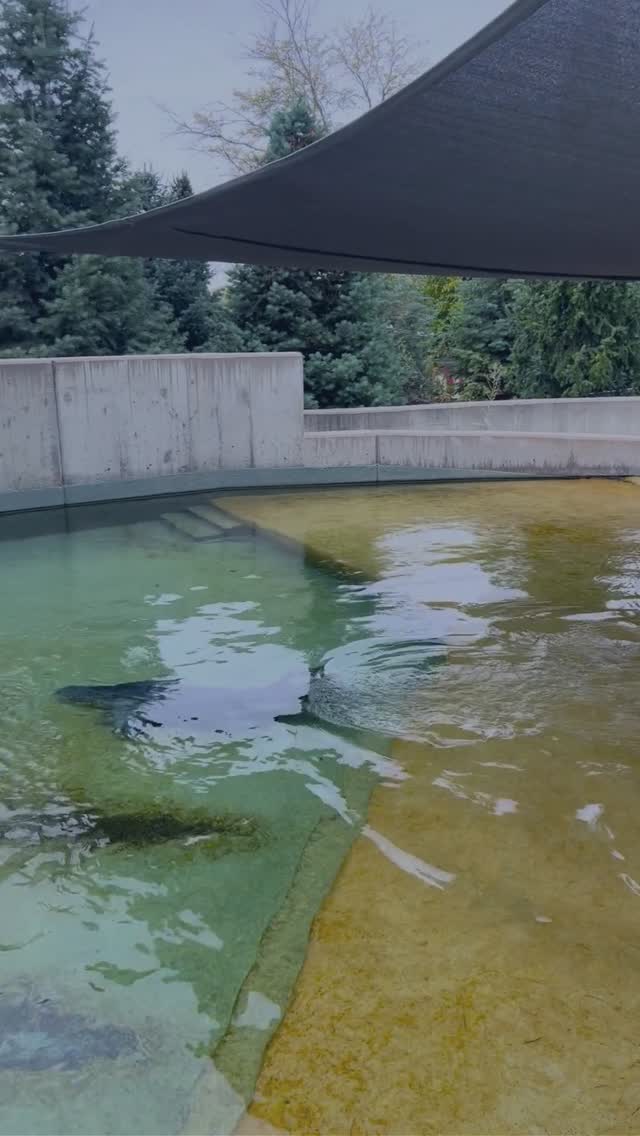
Caring for our harbor seals takes skill, patience, and a lot of heart! 🦭💙
From enrichment to feeding and training, our keepers make sure these playful seals are happy and healthy every day.
