
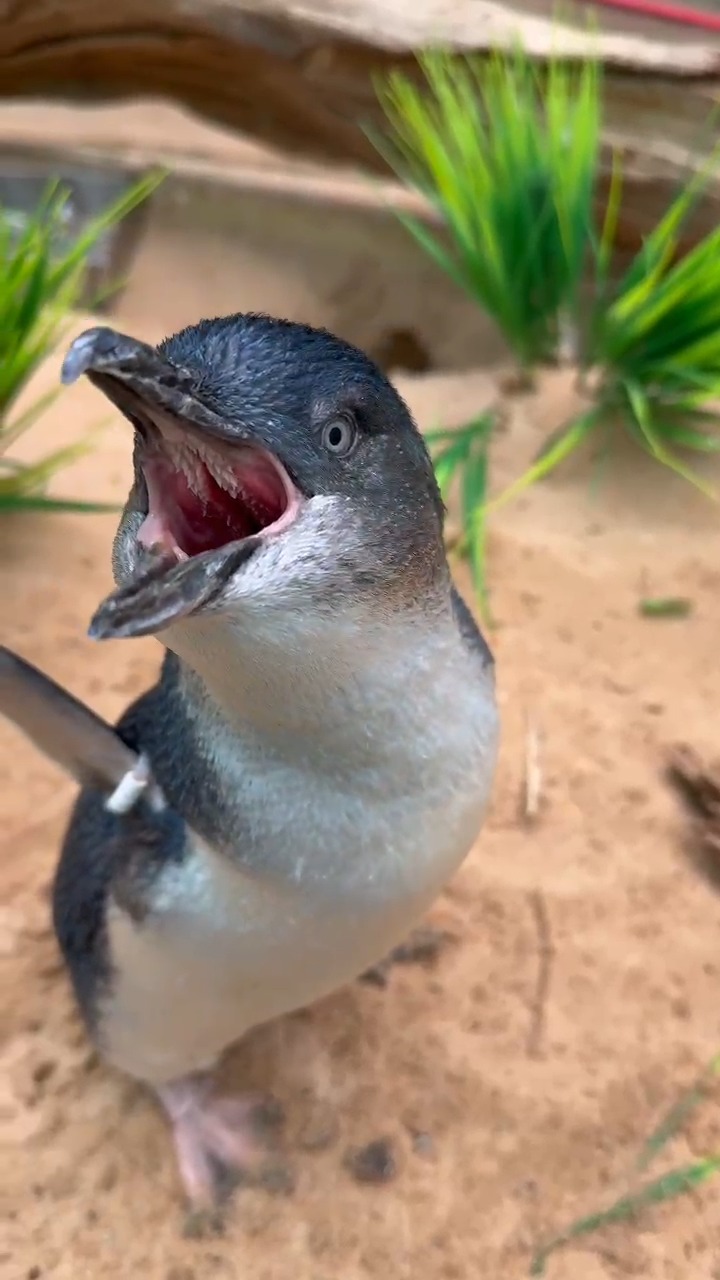
- The significance of Happy Penguin Awareness Day
- The ecological role and conservation status of little penguins
- Vocalizations and communication in little penguins
- How to celebrate Happy Penguin Awareness Day effectively
- The importance of education and awareness in marine conservation
Happy Penguin Awareness Day offers an opportunity to focus on the significant aspects of little penguins, the world’s smallest penguin species. Observing their unique behaviors and understanding their ecological importance can foster a deeper appreciation for these charming birds. Celebrated annually on January 20, this day encourages awareness about their conservation needs and the challenges they face in their natural habitats.
Little penguins (Eudyptula minor) inhabit the southern coastlines of Australia and New Zealand. Their small size makes them endearing to enthusiasts, but it is their ecological significance that demands attention. These birds play a vital role in their ecosystems, acting as indicators of marine health. Healthy penguin populations reflect robust marine finfish stocks, and their decline can signal changes in environmental conditions. Therefore, advocating for their protection naturally extends to the preservation of marine environments.
One of the more remarkable features of little penguins is their communication. These birds are known for their diverse vocal repertoire, which includes braying, honking, chirping, loud screams, deep growls, and trumpeting. Each sound serves specific purposes, including mate attraction, territory defense, and facilitating parent-chick interaction in bustling colonies. The vocalizations of these penguins contribute to their social structure and enhance family bonds. Even though little penguins are small in size, their vocal capabilities can be surprisingly loud, sometimes echoing across beaches and marine habitats.
Celebrating Happy Penguin Awareness Day can take many forms. Educational events, such as wildlife seminars or community workshops, help broaden understanding about their life cycles, breeding habits, and interactions with ecosystems. Engaging the public through social media campaigns can amplify conservation messages, inspiring collective action. Social media platforms can serve as effective tools for sharing stories, photos, and videos to educate others on penguin behaviors and their habitats. Consider partnering with local wildlife organizations or marine conservation groups to host joint initiatives promoting penguin welfare.
Education is pivotal for long-term conservation efforts. Promoting awareness about marine ecosystems and the specific challenges facing little penguins enhances public engagement in these areas. Key threats to their populations include habitat degradation, climate change, pollution, and predation by introduced species. Ongoing education about these issues enables individuals to take steps in their own lives that contribute toward conservation goals. From reducing plastic usage to participating in local clean-up efforts, every action counts.
Understanding the social structures of little penguins is essential in appreciating their complexity. Little penguins form colonies with social hierarchies. They often engage in cooperative behaviors, such as shared responsibilities in chick-rearing. Parenting dynamics involve intricate communication systems that allow adults to locate their chicks amidst similar-sounding voices. This vocal coordination is vital in ensuring the survival of their young.
The conservation status of little penguins is classified as “Least Concern,” but local populations sometimes face dramatic declines. In areas where human activities disrupt their coastal habitats, population decreases become a pressing concern. Conservation groups are actively involved in habitat restoration efforts, policy advocacy, and education to promote the survival of these birds. Collaborations with local and national governments aim to strengthen regulations that protect penguin habitats from industrial development, fishing, and pollution.
Little penguins also serve as a research subject for scientists studying seabird ecology and marine health. With their adaptability, they provide insights into climate change impacts on marine species. Research on their feeding habits has shown that they primarily consume small fish, squid, and krill. Fluctuations in prey availability due to overfishing or climate shifts can affect their feeding success. Understanding these interactions is crucial for implementing effective conservation strategies.
Community involvement in penguin protection is essential. Engaging citizens in local conservation programs can heighten awareness and foster responsible behaviors. Effective conservation depends on grassroots efforts and community stewardship. Educational programs in schools can instill values of environmental responsibility in children from a young age. By understanding the biological and ecological importance of little penguins, future generations will be motivated to advocate for their continued survival.
In recent years, technology has provided innovative ways to monitor little penguin populations. Researchers have started employing GPS tracking to study their foraging behavior, migration routes, and habitat usage. These comprehensive data sets allow for targeted conservation actions by identifying critical feeding and breeding areas in need of preservation. The integration of citizen science projects also helps communities contribute valuable data on penguin sightings and behavior, allowing scientists to monitor populations better.
During Happy Penguin Awareness Day, it is essential to reflect on how individual and collective actions contribute to conservation. Simple lifestyle changes, such as reducing plastic use or supporting sustainable seafood, directly impact marine ecosystems. Advocacy at local government levels can also help push legislation that supports habitat protection.
Visitors to zoos and aquariums can also engage critically with little penguins’ conservation needs. Facilities often offer educational programs, discussions, and firsthand observations of these birds’ behaviors. Engaging with these institutions fosters a connection to wildlife that can lead to greater advocacy for natural habitats.
The messages conveyed through Happy Penguin Awareness Day inspire deep connections between the public and wildlife conservation. Enhancing awareness about little penguins’ behaviors and habitats can spark interest in broader marine conservation topics. Highlighting their vocalizations provides a unique angle of appreciation, reminding us that these charming creatures possess a rich communication system that embodies their social lives.
In conclusion, Happy Penguin Awareness Day serves as a crucial reminder of the importance of little penguins in marine ecosystems. By focusing on their ecological roles, vocalizations, and the threats they face, this day emphasizes the need for dedicated conservation efforts. Through education, community involvement, and individual action, we can ensure that future generations enjoy witnessing these remarkable birds in their natural environment. Embracing the significance of little penguins leads us toward a more sustainable future for marine biodiversity.
*****
Source Description
Happy Penguin Awareness Day!
🔊 DYK little penguins have a wide range of vocalizations, including braying, honking, chirping, loud screams, deep growls, and trumpeting? These sounds serve multiple purposes, attracting mates, territorial defense, and helping parents locate their chicks in noisy colonies. Each bird has a unique and identifiable voice. For the world’s smallest penguin, they can be surprisingly loud. Visit them in the Aquatic Bird House.
📽: Keeper Tara
