
- The diversity of shark species and their ecological importance.
- The significance of biodiversity in marine ecosystems.
- The goals and initiatives of the StAR Project for zebra shark re-wilding.
- The ongoing threats to shark populations and how to combat them.
- Future conservation efforts and how individuals can contribute.
Sharks are often perceived through a lens of fear, primarily due to sensational media portrayals. However, these ocean predators serve an important purpose in maintaining the health of marine ecosystems. During Happy Shark Week, experts like Laura Simmons from SEA LIFE Australia and New Zealand shine a light on the fascinating world of sharks, their ecological roles, and the initiatives in place to protect them.
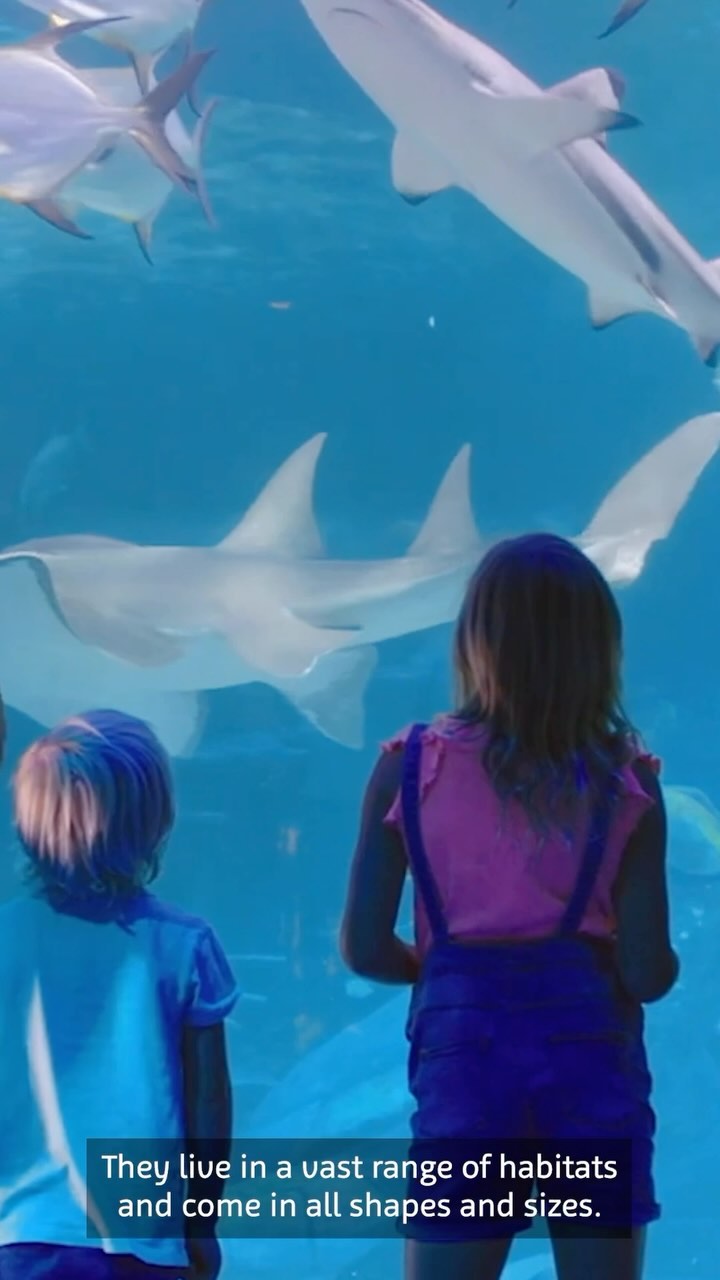
Sharks come in various shapes, sizes, and species, each with its own niche in the ocean ecosystem. Some, like the great white shark, are apex predators that influence the population dynamics of other marine creatures. Others, like the zebra shark, are more docile and primarily feed on smaller fish and invertebrates. This diversity is critical not only for the overall health of the ocean but also for the balance of ecosystems on Earth.
The abundance of shark species also reflects the internet of life beneath the waves. Sharks maintain the balance by keeping their prey populations in check. For instance, when sharks decline, the species they prey on may proliferate, leading to overgrazing and a subsequent collapse of underwater vegetation. By culling the weak and sick, sharks promote a robust population of healthier species.
The StAR Project, or Shark and Ray Project, launched by SEA LIFE, aims to reintroduce zebra sharks into their natural habitat. The goals are substantial—re-wilding efforts focus not only on restoring the population but also on educating the public about these unique creatures. The initiative emphasizes the necessity of community involvement; local populations must understand the ecological value of sharks. Educational programs and engaging materials play a key role in informing communities about how to coexist with these marine animals.
Zebra sharks are particularly vulnerable, having faced significant declines in their populations due to overfishing and habitat loss. Unlike other sharks, zebra sharks have a lower reproductive rate, making population recovery more challenging. Efforts like the StAR Project focus on breeding and releasing zebra sharks while monitoring their adaptation to wild conditions.
Overfishing is one of the leading threats to shark populations globally. Commercial fishing practices often result in large bycatch rates, which dramatically affect shark numbers. In addition, destructive fishing practices like bottom trawling devastate their habitats. Conservationists advocate for sustainable fishing practices that not only protect sharks but also maintain the integrity of marine ecosystems.
Politicians and policymakers play an essential role in extolling the importance of marine conservation. Laws and regulations designed to protect shark habitats can help stem the tide of biodiversity loss. Marine protected areas (MPAs), for instance, delineate zones where activities like fishing and drilling are restricted, allowing ecosystems to recover.
Public awareness campaigns, such as Happy Shark Week, educate the broader population on the necessity of shark conservation. These campaigns aim to build empathy and encourage community involvement in ocean stewardship. By fostering a sense of connection to these creatures, conservation advocates hope to inspire action.
Another significant aspect of marine conservation is the role of technology. Modern research methods, including satellite tracking and genetic studies, are invaluable for understanding shark behavior. By studying migration patterns and reproduction rates, scientists can formulate effective management strategies. Engaging community members in citizen science initiatives also increases data collection.
Social media platforms amplify awareness and allow organizations like SEA LIFE to reach a broader audience. Accessible information encourages more people to participate in conservation efforts. Platforms provide an opportunity to share success stories and ongoing challenges related to shark populations. Spreading knowledge helps challenge misconceptions and fosters a more informed public.
Collaborations between various organizations have also shown promise in enhancing conservation effectiveness. Partnerships between aquariums, research institutions, and local fisheries exemplify a multifaceted approach to addressing the threats faced by sharks. By pooling resources and knowledge, these collaborations contribute to the overall betterment of marine habitats.
The need for conservation extends beyond legislation and education; it also requires individual effort. People can contribute by supporting sustainable seafood choices, advocating for marine protected areas, and participating in educational programs hosted by organizations like SEA LIFE. Engaging in local beach clean-ups can protect not only sharks but the entire marine ecosystem.
Future conservation success hinges on addressing the challenges posed by climate change. Ocean temperatures and levels continue to rise, posing new threats to marine life. Increased acidification affects the health of coral reefs, which serve as essential habitats for many shark species. A focused approach to reducing carbon footprints on an individual level can contribute to broader climate action.
Research continues to spotlight the interconnectedness of species within the ocean. Sharks not only help regulate the populations of their prey but also contribute to the overall biodiversity that supports a healthy ocean ecosystem. Habitat preservation must include protective measures not just for sharks but for all marine life.
Organizations like SEA LIFE Australia and New Zealand are setting examples for effective shark conservation through hands-on projects like the StAR initiative. Their focus on re-wilding zebra sharks exemplifies a proactive approach to environmental stewardship. Educational outreach serves to bridge the knowledge gap and facilitate community involvement.
In light of fresh challenges and discoveries, the marine conservation landscape is continuously evolving. Everyone has a role to play in protecting these vital species. Whether it’s supporting legislative measures, engaging in research, or simply educating oneself and others, each contribution matters.
Happy Shark Week serves as a reminder of the vital work underway to safeguard the ecological integrity of our oceans. As we learn about the diversity and importance of sharks, let’s take proactive steps to participate in conservation efforts. Together, we can influence the future of these magnificent ocean dwellers and help protect the underwater ecosystems they embody.
*****
Source Description
Happy Shark Week! Dive into the wonders of the ocean with Laura Simmons from SEA LIFE Australia and New Zealand! 🦈✨
Discover the incredible diversity of sharks, their crucial role in ecosystems, and our groundbreaking StAR Project to re-wild zebra sharks. 🌊
Together, we can ensure a brighter future for these amazing creatures.
Visit the 🔗 in bio to learn more about SEA LIFE TRUST
