
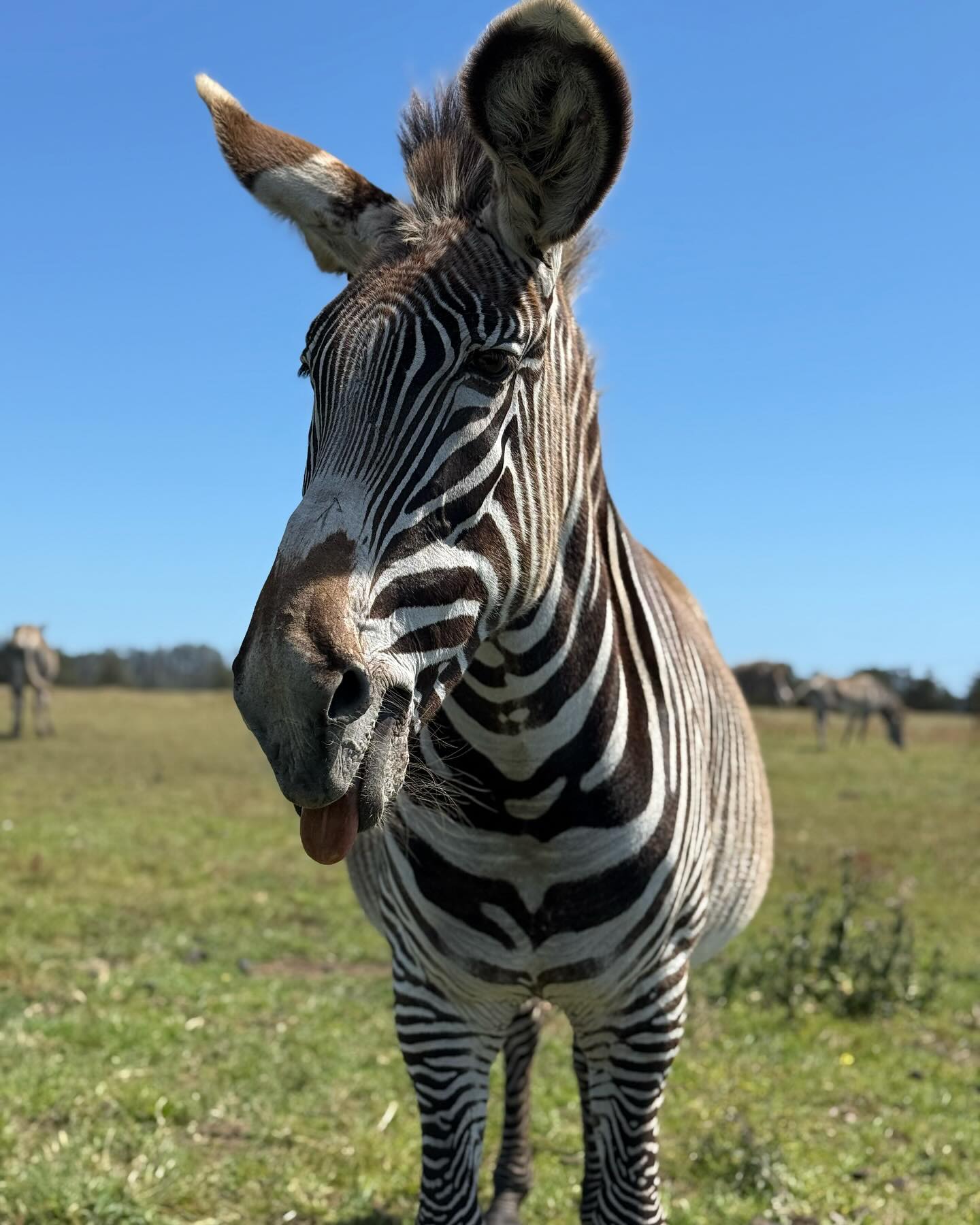
- The significance of Happy Tongue out Tuesday in zoological education and engagement
- An overview of Grevy’s zebras and their biological characteristics
- The role of Sarah, the matriarch, in herd dynamics and zoo management
- Conservation challenges faced by Grevy’s zebras and current efforts to mitigate these issues
- The importance of community engagement in wildlife conservation campaigns
Happy Tongue out Tuesday offers an intriguing opportunity to engage the public with the endearing and whimsical behaviors of Grevy’s zebras. It serves as a platform for raising awareness about the species while inviting visitors to learn more about its unique characteristics and behaviors. This initiative encourages people to appreciate not only the aesthetic appeal of these animals but also the broader challenges they face in the wild.
Grevy’s zebras, known scientifically as Equus grevyi, are one of the largest zebra species in the world. They have distinguishing features such as a narrower body, large ears, and intricate stripe patterns. While their markings are similar to those of other zebra species, each Grevy’s zebra’s stripe configuration is as unique as a human fingerprint. This not only serves as camouflage but also helps them in social interactions within the herd.
The social structure of Grevy’s zebras relies heavily on a matriarchal system. Sarah, the matriarch of the Grevy’s herd, plays a crucial role in this dynamic. In a herd, the matriarch is typically the oldest female, possessing extensive knowledge of the terrain, water sources, and food availability. Her wisdom is invaluable in nurturing young zebras and teaching them survival tactics. The bond between Sarah and her offspring is essential for the continuation of their lineage. Social grooming and other forms of interaction reinforce relationships, ensuring the cohesion necessary for herd survival.
In zoo management, understanding social structures can significantly enhance animal welfare. Animals like Sarah can exhibit various behaviors that indicate social hierarchies, stress levels, and overall health. Regular observation of these behaviors is vital. The zoo staff can create an enriching environment that accommodates the social needs of the zebras. For example, providing physical spaces that encourage movement and interaction, such as obstacles or water features, is essential.
Despite their captivating attributes, Grevy’s zebras face several conservation challenges. Habitat loss, primarily due to increasing human populations, has significantly reduced their natural range. These zebras are primarily found in eastern Africa, mainly in areas of Kenya and Ethiopia. Agricultural expansion, along with human settlements, continues to encroach on their habitats. Additionally, these zebras are vulnerable to poaching and competition with livestock for resources, further threatening their survival.
Conservation efforts have ramped up to counter these issues. Organizations are working tirelessly to develop protected areas, mitigate human-wildlife conflict, and promote sustainable land use practices among local communities. Raising awareness about the plight of Grevy’s zebras forms a crucial part of these initiatives. That’s where community engagement becomes invaluable.
Community engagement strategies aim to educate locals about the significance of preserving endangered species. Workshops and demonstrations can illustrate the economic benefits of wildlife tourism, which can be more lucrative than harmful practices like poaching. Additionally, there is growing emphasis on eco-friendly farming practices that maintain both agricultural productivity and biodiversity.
On a global scale, Happy Tongue out Tuesday enables zoos and wildlife organizations to reach a wider audience. Social media campaigns featuring Sarah and other members of the Grevy’s herd can attract attention not just locally but across international borders. With compelling imagery and engaging narratives, these campaigns can effectively enlighten people about the challenges these zebras face and how they can contribute to conservation efforts, whether through donations, volunteering, or spreading awareness.
Furthermore, such initiatives highlight the essential role that individual animals, like Sarah, play in conservation. Celebrating a matriarch on a dedicated day underscores the importance of female leadership in animal groups and the broader ecological narratives surrounding endangered species. It provides a tangible face to often abstract conservation messages, linking the plight of the Grevy’s zebra to human behavior and choices.
In this interconnected world, successful conservation of Grevy’s zebras extends beyond immediate geographical boundaries. International collaboration is key in addressing issues like climate change, which affects habitats. Scientific research focusing on the genetics and health of Grevy’s zebras is vital for implementing effective conservation strategies. Genetic diversity is crucial for long-term survival, as it enhances a population’s resilience to disease and environmental changes.
Additionally, the emotional connection fostered through the Happy Tongue out Tuesday campaign is unlikely to just stop at awareness. It can motivate action, inspire future generations of conservationists, and foster a deep-rooted appreciation for wildlife. In recent years, there has been a notable rise in respect for animal welfare and habitat preservation among youth, marking a significant societal shift.
As Sarah leads her herd on Tuesdays, her playful and engaging behaviors become emblematic of a larger dialogue about conservation. Observers witness not just an animal exhibiting a charming quirk, but a potent symbol of resilience and a call to action for wildlife conservation. Utilizing accessible language in campaigning and communications helps demystify pivotal conservation strategies, making them relatable and actionable for the average person.
For educators, this initiative can also inspire curriculum development at schools. Incorporating lessons about Grevy’s zebras and broader conservation topics can lead to an enriched understanding of ecosystems and biodiversity among students. Through classroom discussions, projects, and even field trips to see the herds in person, the knowledge gained can empower the next generation to continue these important conversations.
The intersection of engaging social media, community involvement, and education is vital. By equipping people with factual information about Grevy’s zebras and inspiring them through programs like Happy Tongue out Tuesday, we foster a community of informed advocates for wildlife. The challenges they face are daunting, but with collective action and awareness, the narrative of Grevy’s zebras can transform from one of decline to a story of hope.
In wildlife conservation, every initiative counts. Happy Tongue out Tuesday provides an excellent platform for discussing the multifaceted aspects of Grevy’s zebras and the larger issues they symbolize. From recognizing the crucial role of Sarah, the matriarch, to understanding the complexities of their habitats, each element contributes to the foundation of wildlife preservation efforts.
As communities come together to celebrate these remarkable animals, they also reinforce an ethos of stewardship. Organizations dedicated to the welfare of Grevy’s zebras can gain valuable support to sustain their efforts. Every share, every post, and every interaction can drive significant change.
The journey toward ensuring the survival of Grevy’s zebras is multi-dimensional. It encapsulates biological study, behavioral insight, and community action. When individuals unite to spotlight Sarah and her herd, they uplift a broader message: that the preservation of our planet’s biodiversity relies on collective responsibility and a shared love for wildlife. The ripple effects of this enthusiasm can influence policy changes, land use practices, and conservation funding.
In the rhythm of life, specific events may rise to prominence, encouraging reflection and action. Happy Tongue out Tuesday serves as a reminder of the delicate balance we share with nature and the importance of nurturing it. When we invest in the well-being of extraordinary creatures like the Grevy’s zebra, we protect a vital piece of our planet’s ecological fabric.
*****
Source Description
Happy Tongue out Tuesday from Sarah, the matriarch of our Grevy’s herd! 🖤🤍
