
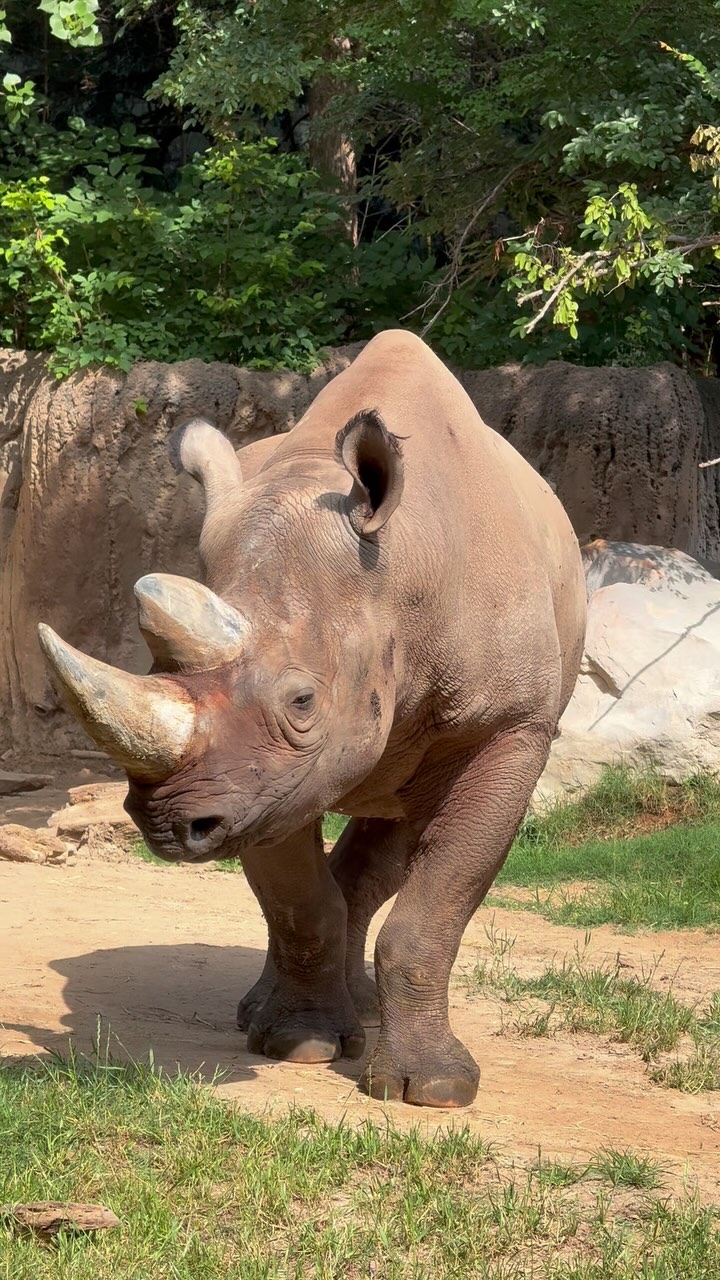
- The importance of zoos in wildlife conservation and education
- The role of parks in biodiversity and public engagement
- Understanding animal behavior in zoo environments
- Strategies for improving habitat and species survival
- The significance of ethical considerations in zoo management
Zoos play a pivotal role in conserving wildlife and educating the public about the importance of biodiversity. Often viewed as entertainment venues, modern zoos are increasingly recognized as vital conservation hubs. By providing safe environments for endangered species, they work on breeding programs, rehabilitation efforts, and public education campaigns. Through these initiatives, zoos attempt to increase awareness about the threats facing various species while promoting actionable conservation efforts.
In recent years, many zoos have shifted from mere showcases of animals to centers that emphasize their conservation work. These institutions are often involved in global cooperative breeding programs, such as the Species Survival Plan (SSP) in North America. Such programs help manage the genetic diversity of species in captivity, aiming to maintain viable populations either to reintroduce back into the wild or ensure their survival in case of extinction in their natural habitats. Zoos also participate in field conservation projects, providing crucial support to in-situ conservation efforts that protect wildlife in their native environments.
Parks, whether within structured settings like zoos or as separate conservation areas, play a significant role in maintaining biodiversity. They serve as sanctuaries for myriad species, protecting habitat lost to urban encroachment or agriculture. These green spaces enrich urban environments, offering both wildlife refuge and recreational areas for people. The presence of parks in urban settings has been shown to improve mental well-being, contribute positively to local ecosystems, and foster a sense of community.
When considering the role of parks and zoos, it’s essential to recognize that they also facilitate human-animal interactions that can foster interest in conservation. Educational programs, guided tours, and volunteer opportunities offered by these institutions spark curiosity about the natural world. Through engaging activities, visitors often leave with a greater appreciation for wildlife conservation, which can lead to advocacy and support for these efforts.
An important aspect of zoo and park management is understanding animal behavior and how it influences care practices. Knowledge of animal behavior allows staff to create an environment that mimics natural habitats as closely as possible while accommodating the needs of individual species. For example, certain primates may thrive with structures that allow climbing and foraging, while aquatic animals require adequate swimming space and environmental enrichment.
Staff monitoring for signs of stress or illness is equally important. Behavior changes can indicate underlying health issues. By being observant, animal care professionals can intervene before minor issues become major health crises. This proactive approach demonstrates the interconnectedness between animal welfare and conservation efforts. Animals that adapt well to their environments in zoos are more likely to be effective in breeding programs, which benefit population sustainability in the wild.
Improving habitat design is another vital factor influencing species survival in zoos. Naturalistic settings designed with specific species’ needs in mind can replicate their wild environments. This is critical not only for animal enrichment but also for scientific research aimed at understanding animal behavior in their habitats. Behavioral studies conducted in these settings can provide insights into the needs of endangered species, many of which face unprecedented threats such as habitat loss and climate change.
Zoo management practices are increasingly guided by ethical considerations. The ethics of keeping animals in captivity represent a significant philosophical debate. Many modern zoos aim to strike a balance between animal welfare, conservation efforts, and educational outreach. Institutions that prioritize transparency in their operational methodologies breed public trust and accountability. Open dialogues surrounding wildlife conservation ethics are essential for maintaining public engagement and support for these initiatives.
Moreover, ethical considerations extend to the genetic management of captive populations. Captive breeding programs must be balanced with the knowledge of inbreeding and genetic bottlenecks. Genetic diversity is crucial for the long-term survival of species. Consequently, zoo professionals must collaborate with conservation genetics experts to identify best practices in managing breeding programs, ensuring the viability of both captive and wild populations.
Educational initiatives are central to the mission of zoos and parks, targeting not only visitors but also local communities and schools. Many institutions offer educational materials, workshops, and outreach programs designed to foster a deeper understanding of wildlife conservation. Through these programs, participants learn about specific species, their ecosystems, and the threats they face. Knowledge-sharing efforts empower individuals to participate in conservation, whether through advocacy, volunteering, or spreading awareness.
Community engagement is another critical aspect of effective wildlife conservation. Local citizens directly impacted by wildlife conservation efforts can become passionate advocates for preserving biodiversity. Involving communities in conservation projects enhances the likelihood of successful initiatives. Participatory approaches not only increase stakeholder investment but often lead to innovative solutions tailored to local ecological contexts.
The intersection of science and conservation is also vital. Research in zoology continuously leads to new methods for wildlife conservation. This includes technological advancements such as telemetry, which allow researchers to study animal movements and behavior in real time. Understanding animal movement patterns helps inform habitat restoration efforts and policy related to land use. Increased knowledge in animal care, wildlife health, and behavior advances the overall mission of zoos and conservation parks.
Moving forward, partnerships between zoos, parks, and scientific organizations can amplify the effectiveness of conservation efforts. By collaborating on research initiatives, sharing data, and pooling resources, these institutions can address broader issues like climate change and habitat destruction. Such collective engagement strengthens the scientific foundation of conservation, ensuring that strategies are based on credible data and research findings.
In summation, zoos and parks are essential components of wildlife conservation and education. By promoting biodiversity, increasing public engagement, understanding animal behavior, and emphasizing ethical management practices, they create a sustainable future for countless species. Through a concerted effort to educate and inspire, zoos and parks foster a culture of conservation that empowers individuals to contribute positively. As environmental challenges escalate, the role of these institutions will continue to adapt, ensuring they meet both current and future conservation needs. The mission is not merely about keeping animals in captivity; it’s about fostering a connection between people and wildlife to ensure that future generations can experience and cherish the richness of our planet’s biodiversity.
*****
Source Description
A walk in the park … literally!
