
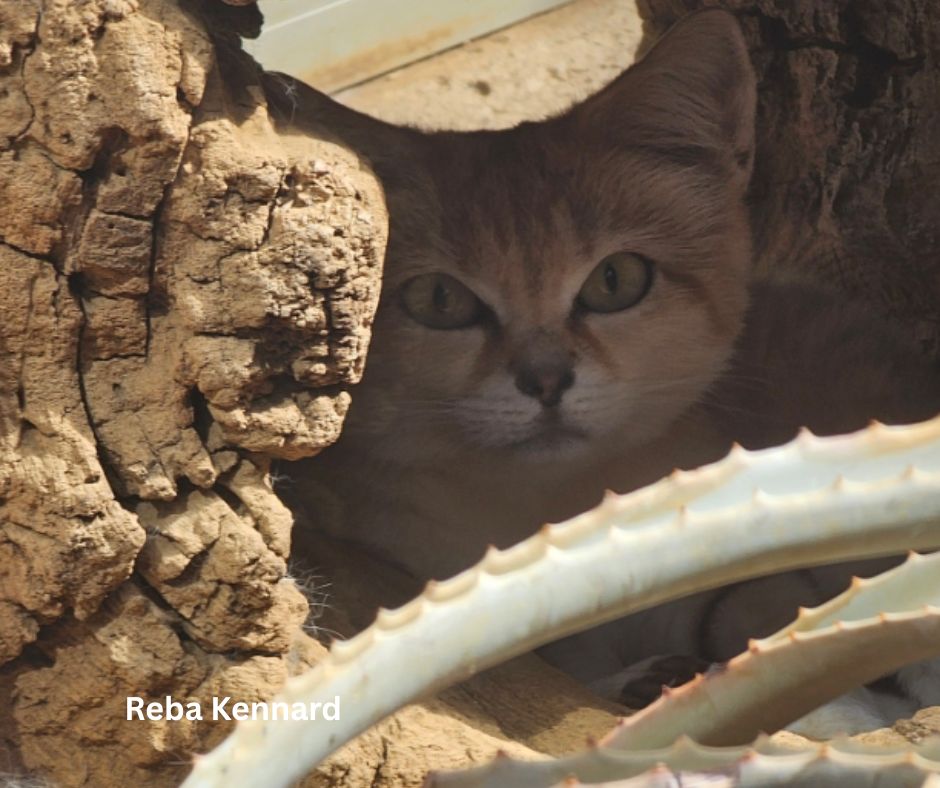
- Happy Wild Shots Friday: A Celebration of Wildlife Photography
- The Role of Photography in Wildlife Conservation
- Highlighting Diverse Species in Captivating Images
- Understanding Animal Behavior through Photography
- The Impact of Public Engagement on Conservation Efforts
Happy 🐾 Wild Shots 🐾 Friday! This week, we invite you to explore an exciting collection of wildlife photographs that showcase the breathtaking beauty and unique behaviors of various species. This initiative is designed not only to celebrate wildlife but also to promote awareness around the importance of conservation strategies.
The role of photography in wildlife conservation cannot be overstated. Images have the power to evoke emotions and inspire action. Wildlife photography creates a visual narrative that connects people with animals they may never encounter in their everyday lives. Every picture serves as a reminder of the diverse ecosystems present around the globe and the species that inhabit them. By presenting stunning visuals, photographers highlight the need for protecting these beautiful creatures and their habitats. The aesthetic appeal of wildlife photography plays a significant part in drawing attention to ongoing conservation issues and encourages viewers to participate in preservation efforts.
Photography often captures species that are lesser-known, creating intrigue and sparking curiosity. Iconic animals like lions and elephants tend to dominate public interest, yet countless other species play crucial roles in their ecosystems. For instance, consider the importance of pollinators like bees and butterflies, which are vital for plant reproduction. Images that display these creatures can turn the tide in public perception, helping people realize the significance of all animals, no matter their size. By showcasing a wide array of species, wildlife photography can serve as a powerful tool for educating the public and fostering a deeper appreciation for biodiversity.
Understanding animal behavior through photography can shed light on various survival strategies. Capturing moments like a mother wolf teaching her cubs how to hunt or dolphins leaping from the waves provides insight into the complexities of social structures and communication techniques in the animal kingdom. Each photo tells a story that contributes to scientific understanding. For example, studies have shown that observing social interactions in species like elephants can reveal more about their emotional intelligence and family dynamics. In this way, visual storytelling complements academic research, enriching our understanding of animal life.
Public engagement is essential for successful conservation efforts. When people are captivated by stunning images of wildlife, they are more likely to support initiatives that protect the environment. Wildlife photography can be a bridge between the audience and pressing issues like habitat destruction or climate change. Informative captions, combined with compelling visuals, can educate viewers on how their actions impact the ecosystem. For instance, images portraying the plight of polar bears as their icy habitats diminish can galvanize public support for climate action. The emotional resonance of a photograph can encourage individuals to donate to conservation organizations or participate in community efforts, such as habitat restoration projects.
Furthermore, the accessibility of social media platforms amplifies the reach of wildlife photography. Photographers can share their work with a global audience, sparking conversations around conservation issues. Initiatives like Happy 🐾 Wild Shots 🐾 Friday take advantage of this potential to unite individuals from different backgrounds in a common cause: wildlife preservation. By frequently sharing new photography, zoo management and conservation organizations can maintain momentum in the discourse surrounding wildlife protection.
As we dive deeper into this week’s collection of pictures, viewers can expect to see a mixture of species, from charismatic megafauna to often-overlooked creatures that provide vital ecological services. Each photograph invites viewers to reflect on the interconnectedness of all life forms. By actively engaging with this content, participants can express their favorites and share their thoughts, fostering a sense of community around wildlife appreciation.
The images featured also provide opportunities to discuss conservation strategies on a broader scale. Wildlife corridors, for example, are critical for allowing animals safe passage between fragmented habitats. High-quality photographs that capture the beauty and struggle of animals navigating these corridors can serve as persuasive tools in advocating for their establishment. Similarly, images of species recovery—like the successful comeback of the California condor—can inspire hope and demonstrate that conservation efforts can yield tangible results.
Education through photography is particularly important for younger audiences. Children who connect with animals through vivid images are more likely to develop a sense of responsibility towards the environment. Programs that incorporate wildlife photography into their curriculum can inspire future generations of conservationists. By fostering a love for nature early on, educators can create a lasting impact that extends beyond school years.
Exploring individual photographs allows us to appreciate the artistic aspect of wildlife photography while also recognizing its educational value. Each snapshot reveals the photographer’s ability to capture a fleeting moment that encapsulates a broader narrative. Whether focusing on intricate details like the patterns on a butterfly’s wings or the expressions on a predator’s face, photographers contribute significantly to our collective knowledge of animal behavior and habitat needs.
Wildlife photography can also serve as a valuable resource for scientists. Data obtained from images can assist in tracking animal populations, monitoring health, and studying migration patterns. For example, camera traps have become a lifesaving measure in conserving endangered species. The images they capture can guide important research, ultimately leading to more effective conservation strategies. Collaborations between photographers and researchers often yield valuable insights that contribute to safeguarding biodiversity.
The impact of public engagement on conservation efforts cannot be overstated. The emotional connection people feel when they see beautiful wildlife images can translate into action and support for conservation initiatives. By sharing captivating visuals on various platforms, conservationists and wildlife photographers can reach an ever-widening audience, raising awareness for critical issues.
Prominent wildlife photographers often collaborate with conservation organizations to amplify their work’s message. They document species at risk, capture their habitats, and share their findings with the public. Social media has transformed the way stories are told, allowing photographers to engage with their audience directly, sparking discussions that might not have otherwise occurred.
Encouraging audience interaction is crucial to fostering a meaningful discourse around wildlife. Inviting viewers to share their favorite images from the collection can open avenues for conversation. It allows people to express what resonates with them most and why certain images evoke strong emotions. This shared experience fosters a sense of community among those passionate about wildlife conservation, reinforcing the idea that saving these creatures is a collective responsibility.
In summary, Happy 🐾 Wild Shots 🐾 Friday serves as an opportunity for individuals to connect with wildlife through captivating photography. This week’s collection not only highlights the beauty of various species but also promotes conversations surrounding conservation issues. The interplay between photography, public engagement, and wildlife preservation is essential for fostering a more knowledgeable audience, which in turn can lead to impactful conservation initiatives. Together, we can harness the power of imagery to inspire greater respect and care for the natural world. By sharing our favorites, we contribute to a larger dialogue around the need for conservation and stewardship of our planet’s precious wildlife.
*****
Source Description
Happy 🐾 Wild Shots 🐾 Friday!
Check out this weeks collection of pictures and let us know your favorite!
