
- The role of enrichment in the lives of zoo animals
- Behavioral observations of tigers through enrichment activities
- The importance of zoo management strategies for animal welfare
- Comparisons of tiger behaviors to domestic cats
- Insights into the conservation efforts related to the Amur tiger
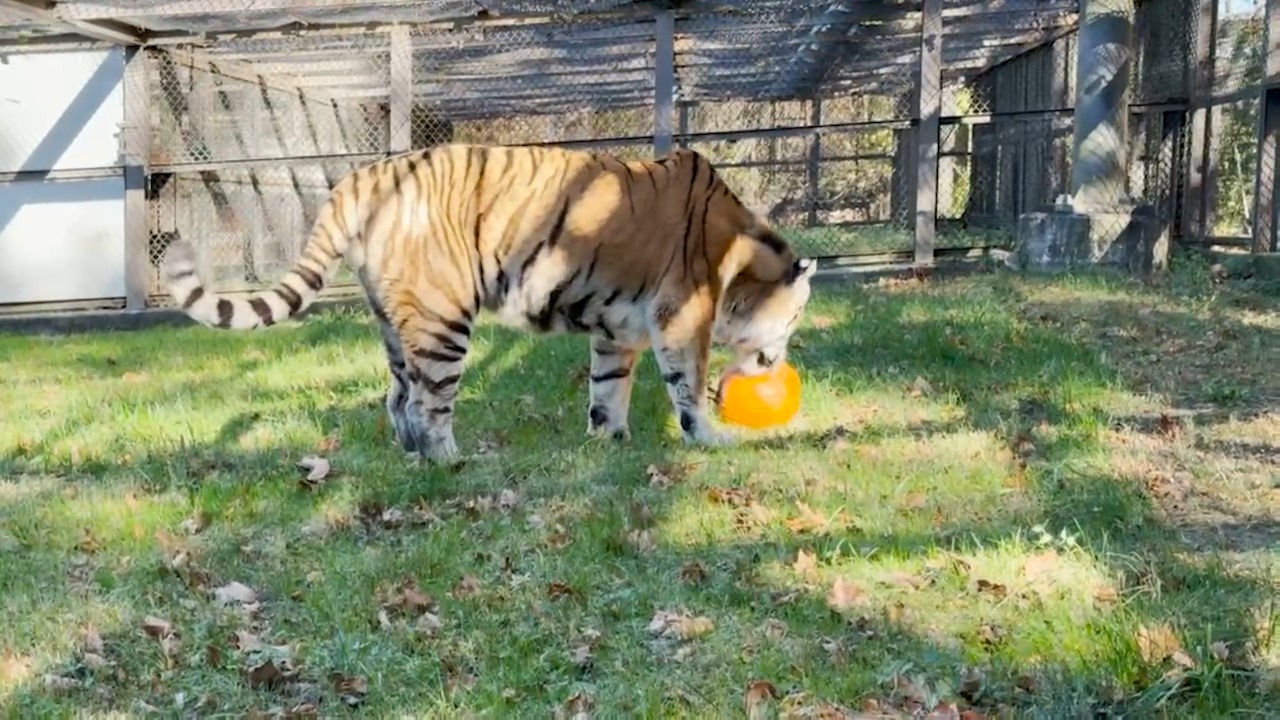
Enrichment is a fundamental aspect of animal care in zoos. It enhances the mental and physical well-being of animals, making their environment more stimulating. For the Amur tigers at Wild Asia, daily enrichment provides varied experiences that simulate natural behaviors. Enrichment items, like pumpkins, engage the tigers through their shape, color, smell, and texture. These elements spark curiosity and encourage interaction, leading to behaviors such as playing, batting, and shredding.
Behavioral observations during enrichment activities reveal essential insights into tiger psychology. Observing a tiger engage with a pumpkin, for instance, demonstrates inherent instincts. Tigers are natural hunters and exploratory creatures. Before they might shred and hunt their prey, they often engage in play, a critical behavior for developing skills. By offering a pumpkin, staff provide a tool for the tiger to express these natural play behaviors. This act not only stimulates physical activity but also enhances mental engagement.
Zoo management plays a significant role in animal welfare, emphasizing the need for staff commitment to ongoing enrichment. Keepers, like Senior Keeper Mary, dedicate themselves to crafting new and innovative experiences for these tigers. Their work is crucial as it impacts animal behavior and overall habitat health. Housing environments, including naturalistic exhibits and off-exhibit spaces, are designed to meet tigers’ needs while allowing keepers to safely manage their care.
The exploration of tiger behaviors as they interact with enrichment items draws parallels with domestic cats. Many pet owners recognize their feline companions exhibiting similar inquisitive behaviors. Both species display a tendency to paw, bat, and shred objects that pique their interest. This instinctual play is tied to evolutionary survival mechanisms. Recognizing these common behaviors bridges a connection between wild and domestic animals and emphasizes the importance of understanding animal psychology.
Conservation efforts surrounding the Amur tiger are imperative as this species faces numerous threats. Habitat loss, poaching, and the depletion of prey populations have dramatically decreased their numbers. By providing detailed insights into their behavior and needs through the lens of enrichment, zoos can advocate for better conservation policies. Increasing public awareness of these majestic animals fosters a greater appreciation for their existence and the ecosystems they inhabit.
The pumpkin activity, therefore, serves multiple purposes. It promotes the physical health of the tigers, allows for behavioral observations, and reinforces the zoo’s dedication to providing engaging experiences. The innovative practices employed by zookeepers like Mary are substantial in maintaining vibrant, active lives for captive animals. Each day brings forth new challenges and opportunities for these animals, which mirrors the complexities of life in the wild.
In fulfilling its mission, Wild Asia does not merely house animals but provides a sanctuary for them. The design of their enclosures, including areas off-exhibit, allows for varied experiences beyond what is available on display. This multifaceted approach contributes to animal welfare and offers visitors a glimpse into the lives of the tigers.
As the relationship between zookeepers and animals evolves, observation becomes key to understanding changes in tiger behaviors. Each enrichment item offers unique challenges and opportunities for self-discovery, influencing how these magnificent creatures interact with their environment. Activities like pumpkin-play highlight the cognitive engagement that enrichments can provide, affirming their importance in modern zoological practices.
Ultimately, understanding the role of enrichment leads to broader awareness of animal behavior and welfare in zoos. Awareness extends to the conservation realm, urging efforts to protect species in the wild. As more insights come from observing animals in controlled environments, the knowledge gained can impact conservation strategies globally, fostering better survival rates for species like the Amur tiger.
The tiger’s natural instinct for play, demonstrated in their interaction with pumpkins and similar enrichment items, speaks to fundamental behavioral needs shared across species. As keepers continue to innovate with enrichment practices, they contribute to the care and understanding of animals both in captivity and in their natural habitats. Through these dedicated efforts, the goal of fostering a deeper connection between humans and wildlife becomes more achievable, strengthening the message of conservation and respect for the animal kingdom.
*****
Source Description
Thanks to Senior Keeper Mary, we’re giving you a behind-the-scenes look at one of our Amur tigers playing with a pumpkin that he has been given as enrichment. The shape, color, smell, and texture of the pumpkin make it an interesting item for the tiger to explore. Items like pumpkins can stimulate natural play behaviors, including playing, batting, and (eventually) shredding. Our tigers receive daily enrichment, and the keepers regularly think of new creative ways to engage them. In addition to their naturalistic exhibit at Wild Asia, the tigers have off exhibit areas that provide variety and allow keepers to service the exhibit.
Do you recognize any of these behaviors in your domestic cat?
