
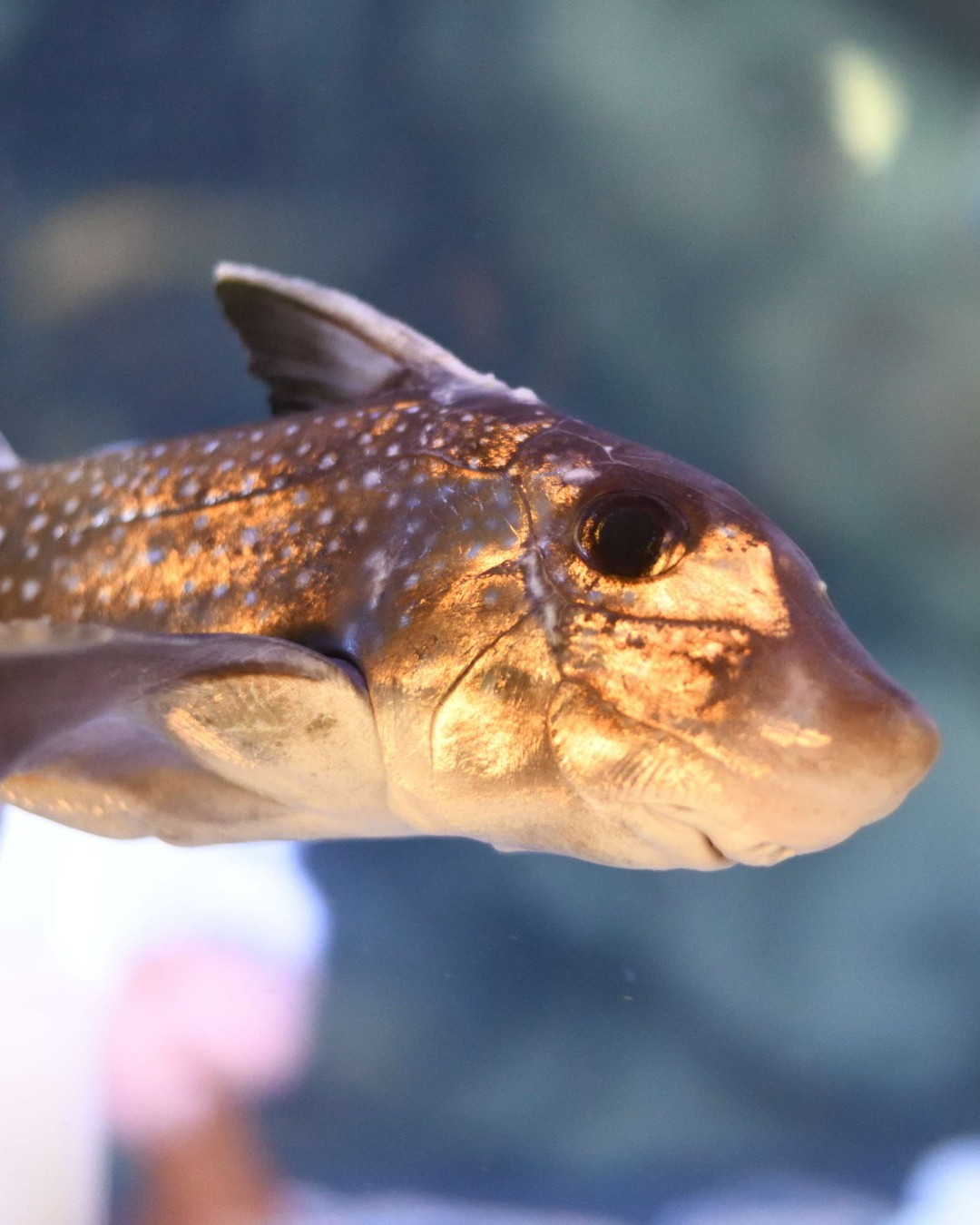
- The biological characteristics of the spotted ratfish
- The significance of Happy World Rat Day
- The ecological roles of chimaeras and their conservation status
- The importance of public awareness in wildlife conservation
- Fun facts and trivia about the spotted ratfish
The spotted ratfish (Hydrolagus colliei) is a fascinating creature belonging to the chimaera family, specifically known as short-nosed chimaeras. This fish is often called a rabbit fish because of its distinctive, rabbit-like face. Predominantly found in the cold, deep waters of the Pacific Ocean, it showcases remarkable adaptations that allow it to thrive in its marine environment. The name “ratfish” itself comes from its elongated, rat-like tail, which can make up nearly half of its total body length. These biological traits highlight not just the physical uniqueness of the species but also its evolutionary history.
On Happy World Rat Day, we emphasize the importance of these creatures and their habitats. Celebrated annually on April 4th, this day is dedicated to raising awareness about rats and the various rodent species, including the lesser-known ratfish. Despite their somewhat neglected status in conservation discussions, chimaeras play vital roles in their ecosystems. By acknowledging and celebrating these often-overlooked creatures, we can bring attention to broader biodiversity issues that affect all marine life.
Chimaeras, including the spotted ratfish, serve essential roles in maintaining healthy ocean ecosystems. As opportunistic feeders, they primarily consume small fish, crustaceans, and mollusks. Their dietary habits help regulate prey populations, contributing to ecological balance. Moreover, they are a part of the food web; their presence supports larger predatory species while also providing a natural check on prey species. This balance underscores the necessity of protecting their habitats from pollution, overfishing, and climate change.
The conservation status of chimaeras is a growing concern among marine biologists. Many species, including the spotted ratfish, are at risk due to habitat degradation caused by human activities. Overfishing, especially of their prey, can impact their populations directly. Additionally, climate change affects ocean temperature and salinity, which in turn alters the distribution and availability of prey species. Thus, marine conservation efforts must focus not only on charismatic megafauna like whales and dolphins but also on lesser-known creatures like the spotted ratfish. Protecting their habitats is crucial for maintaining the overall health of marine ecosystems.
Public awareness plays a critical role in conservation efforts. Events like Happy World Rat Day highlight the importance of educating the public about species like the spotted ratfish. Awareness campaigns can foster positive attitudes toward less popular marine life and encourage more people to engage in environmental stewardship. Schools, conservation organizations, and aquariums can provide educational resources to create enthusiasm around these species. Engaging storytelling and interactive learning can draw in younger audiences, encouraging lifelong commitments to conservation efforts.
Fun facts about the spotted ratfish can also enliven the conversation around marine ecology. For instance, ratfish possess a unique ability to produce electric fields. This adaptation helps them navigate and locate prey in deep, murky waters. They also have a cartilaginous skeleton, similar to that of sharks and rays, which provides them with flexibility and buoyancy. Interestingly, their reproductive pathways are also unique; they lay eggs encased in a leathery, protective capsule, which can take months to develop. These fascinating characteristics paint a picture of a resilient species that warrants more attention from both the scientific community and the general public.
Overall, Happy World Rat Day is an opportunity to focus on the lesser-known species within the animal kingdom. For the spotted ratfish, this day offers a platform to educate the public and emphasize the importance of ocean conservation. By increasing awareness and understanding of these remarkable creatures, we can encourage collective action towards ensuring their survival in the face of numerous threats. Through dedicated efforts in education, research, and policy advocacy, there is hope for the future of chimaeras and marine biodiversity as a whole.
In summary, the spotted ratfish stands as a curious symbol within marine biology. Often overlooked, it embodies the intricate web of life in our oceans. The more we learn about its biology, its ecological roles, and the challenges it faces, the better equipped we become to protect not only the species itself but also the diverse ecosystems they inhabit. Happy World Rat Day serves not only as a celebration but as a call to action for all of us to engage more deeply with our environment.
*****
Source Description
Happy World Rat Day from the spotted ratfish! A member of the short-nosed chimaera family (sometimes called rabbit fish for their rabbitlike faces), the name ratfish comes from its pointed, rat-like tail, which comprises almost half of its body length!
