
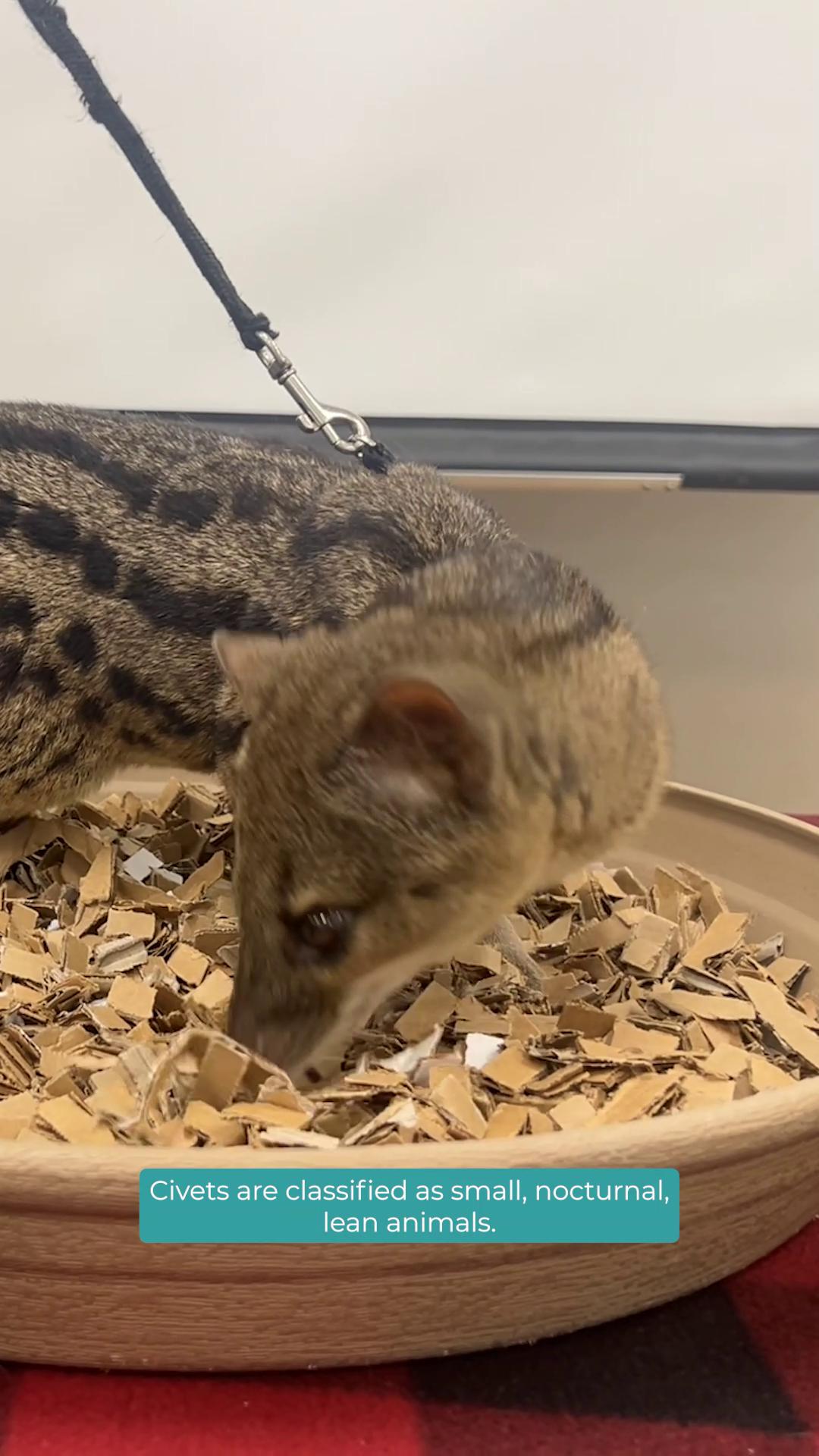
- Overview of the spotted fanaloka, Pépite, and its ecological significance
- Description of the habitat, distribution, and behavioral patterns of the species
- Conservation status and threats faced by the spotted fanaloka
- Role of zoo management in educating the public about lesser-known species
- Insights into how Zookeeper Cams enhance conservation efforts through education
Pépite, the spotted fanaloka, is a fascinating carnivore native to Madagascar. This close relative of the mongoose, also known as the fossa, is known to capture the attention of zoologists and wildlife enthusiasts alike. The ecological role of the spotted fanaloka and its unique adaptations play a crucial part in the overall health of its ecosystem. This article will explore the various aspects of the spotted fanaloka’s life, highlighting its habitat, behaviors, conservation status, and the vital role that education and awareness play in preserving this lesser-known species.
The spots on the fur of Pépite help it blend seamlessly into its environment. This characteristic, combined with agile movements, makes it an exceptional hunter and a key predator in Madagascar. As a carnivore, its diet primarily consists of small mammals, birds, and reptiles. Understanding its hunting tactics provides insight into the ecological balance within its habitat and underscores the importance of preserving this species.
Pépite is adapted to the humid tropical forests of Madagascar. This habitat is characterized by dense vegetation, which provides ample cover for hunting as well as nesting opportunities. The coastal regions and lowland forests are crucial areas for the spotted fanaloka’s survival, reflecting the diverse ecosystems present on the island. These environments support a range of flora and fauna, making Madagascar a biodiversity hotspot. The intricate relationships within this habitat warrant closer examination to appreciate the species’ role.
However, the spotted fanaloka faces significant threats to its existence. Habitat loss due to deforestation and agricultural expansion is a major concern. Madagascar has already seen extensive deforestation, with estimates suggesting that around 90% of its original forests are gone. This loss not only affects the fanaloka but also endangers numerous other species that share its environment. Additionally, hunting and human-wildlife conflict pose further risks. Addressing these threats necessitates comprehensive habitat management strategies and community engagement initiatives.
Zoo management plays a pivotal role in shaping public knowledge and perceptions about lesser-known species like Pépite. Establishing programs that highlight the ecological significance of the spotted fanaloka helps educate visitors. By promoting species-specific initiatives, zoos can enhance awareness of conservation efforts and inspire action. Zookeeper Cams in zoos allow viewers to observe the daily activities of the spotted fanaloka in real-time. These cameras provide an unprecedented opportunity for engagement and education, making the animals’ lives visible to a wider audience.
This interactive experience fosters a deeper appreciation for the complexities faced by species such as the spotted fanaloka. Educating the public about these challenges can foster a sense of responsibility among viewers. It is essential for them to understand the interconnectedness of all species within an ecosystem. When individuals recognize their role in conservation, it promotes advocacy and encourages actions that support wildlife protection efforts.
Through these educational avenues, zoos have the potential to advocate for the spotted fanaloka and similar species. By highlighting the importance of preserving these creatures, zoos can generate support for habitat protection initiatives. Furthermore, collaboration with research institutions aids in understanding the specific needs of the spotted fanaloka, helping to inform conservation strategies. This partnership enhances the ability to address challenges related to habitat preservation and species recovery.
To illustrate the importance of zoos in conservation, consider the role of captive breeding programs. These initiatives help to bolster population numbers, especially for species facing imminent extinction. For Pépite, collaboration with local conservation organizations can ensure that breeding efforts align with habitat restoration projects in Madagascar. Engaging with local communities can also be beneficial, creating a sense of ownership over conservation efforts.
The use of technology in overseeing captive populations expands the methods available to conservationists. Collecting data on health, reproduction, and behavior in a controlled environment informs strategies in the wild. This data is essential for understanding population dynamics and addressing threats posed by human activity. By harnessing such information, conservationists can create more effective approaches to ensure the spotted fanaloka’s survival.
Pépite’s life cycle is another fascinating aspect deserving attention. Like many mammals, the breeding season plays a crucial role in population sustainability. Cultural behaviors during mating rituals can provide insight into social structures. Observing these behaviors through Zookeeper Cams adds another layer to education, allowing an audience to witness natural behaviors and patterns. This direct observation fosters empathy and concern for conservation.
Additionally, understanding the reproductive habits of the spotted fanaloka can facilitate its study in captivity and the wild. Gestation typically lasts about three months, after which litters of one to three offspring are born. The nurturing behavior exhibited by the mother is vital for the survival of the young, teaching them essential life skills. Captive breeding programs can mimic these behaviors, providing a better chance for the pups’ survival.
Health and wellness practices in zoos also reflect broader conservational principles. Comprehensive veterinary care ensures that the spotted fanaloka remains healthy, aiding in their reproductive success. Regular veterinary checks monitor conditions that could affect a population’s viability. This emphasis on health supports a sustainable breeding program while educating the public about animal care.
By utilizing a combination of education, habitat management, and active engagement in conservation efforts, both zoos and local communities can strengthen the fate of the spotted fanaloka. Through Zookeeper Cams, the everyday lives and challenges of Pépite can be observed, raising awareness and fostering discussions around wildlife conservation. The value of awareness should not be underestimated; a more informed public is more likely to participate in meaningful conservation efforts.
In summary, the spotted fanaloka, Pépite, is an important component of its ecosystem in Madagascar. Its ecological role, behavioral traits, and vulnerabilities provide ample material for education and conservation advocacy. Partnering with audiences through tools like Zookeeper Cams helps demystify the challenges faced by not only the fanaloka but other species in their habitats. Likewise, zoos are evolving as central figures in conservation efforts, transforming public knowledge into action and inspiring future generations to consider the significance of every species, including the lesser-known ones.
*****
Source Description
Join Zookeeper Cam to learn all about Pépite, the spotted fanaloka, and this lesser-known species!
