
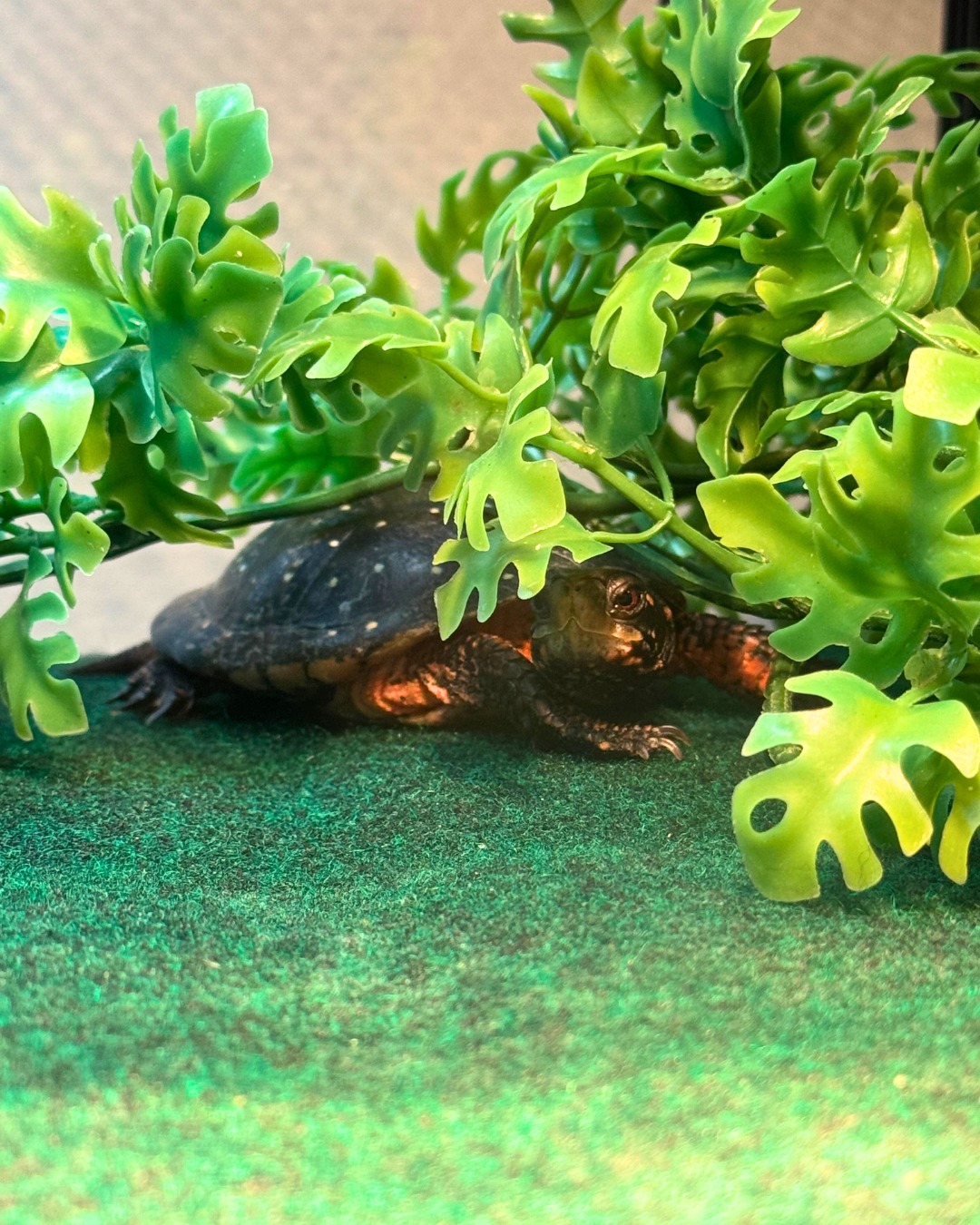
- Happy World Turtle Day: Significance and Awareness
- Spotted Turtle Characteristics and Habitat
- Threats to Spotted Turtles: Causes and Consequences
- Conservation Efforts and Importance of Zoos
- Actions for Individuals: Supporting Turtle Conservation
Happy World Turtle Day is a celebration aimed at raising awareness about turtle conservation globally. This day serves as a vital reminder of the importance of protecting not just turtles, but their habitats as well. The Bergen County Zoo is proud to highlight our captivating spotted turtles, who serve as ambassadors for the broader message of wetland conservation. Their small size belies their significance in our ecosystem, making them essential to the health of their environments.
Spotted turtles (Clemmys guttata) are native to the eastern United States, thriving in marshes, bogs, and shallow wetlands. Known for their striking black shells adorned with vibrant yellow or orange spots, these turtles are visually appealing and ecologically significant. Their presence helps maintain the balance of their aquatic habitats, contributing to the overall biodiversity of their ecosystems. Celebrating Happy World Turtle Day allows the Bergen County Zoo to share the vital role of these intriguing creatures while advocating for their protection.
Spotted turtles live in a range of wetland environments, where they play a pivotal role in their ecosystem. Their diet includes insects, aquatic plants, and small invertebrates, making them omnivores. They help control insect populations and maintain plant diversity, showcasing their contribution to wetland health. As they forage and roam, they inadvertently support the ecological web surrounding them.
Despite their importance, spotted turtles face dire threats. Habitat loss is one of the most significant challenges they confront today. Wetland areas are often drained for agriculture, urban development, and drainage projects. This destruction reduces their habitat, making it difficult for them to find food, mate, and thrive in their natural environments. As wetland areas diminish, so too does the population of spotted turtles.
Another major threat comes from the illegal pet trade. Due to their attractive appearance and small size, spotted turtles are often illegally collected from the wild for sale in the pet market. This practice not only depletes wild populations but also disrupts local ecosystems. Animals taken from their natural habitats can struggle to adapt to captivity, leading to further declines in their numbers. These factors compound the challenges faced by spotted turtle populations.
Conservation efforts are essential to reversing the trend of decline. Initiatives aiming to restore wetland habitats, enforce protection laws, and engage the public in conservation efforts are critical. Organizations work tirelessly to rehabilitate areas damaged by urbanization and create protected habitats for threatened species. The role of zoos, such as the Bergen County Zoo, has expanded in recent years. Zoos act as important hubs for education, breeding programs, and community outreach.
At the Bergen County Zoo, our spotted turtles serve a dual purpose. They are not just inhabitants of our exhibits; they are central to our mission of conservation education. By sharing their story and the plight of turtles worldwide, we can inspire visitors to take action. The engagement of community members can lead to significant, positive changes in conservation efforts.
Visitors can play an active role in turtle protection. Supporting local conservation groups ensures that funding and resources are directed toward preserving habitats and educating the public. In addition, discouraging the purchase of wild-caught pets can help alleviate pressure on wildlife populations. Each small action contributes to a larger movement focused on protecting not only spotted turtles but other species facing similar threats.
Zoos also play a role in breeding programs that aim to increase the spotted turtle population. These programs can help ensure genetic diversity and, in some cases, support reintroduction efforts. The Bergen County Zoo collaborates with other institutions to engage in conservation breeding, adding to the global effort to protect this species.
Education is a cornerstone of meaningful conservation. World Turtle Day serves as an excellent opportunity to teach the public about the ecological importance of turtles. Engaging visitors through interactive exhibits, informational signage, and educational programs can elevate awareness. Promoting a love for turtles can lead individuals to advocate for their protection and spread awareness within their communities.
Through community engagement, learning about local wildlife conservation efforts becomes essential. Many conservation organizations focus on habitat restoration, public education, and outreach programs. Supporting these entities can enhance collective impacts on local ecosystems. Individuals can volunteer for cleanup events, participate in workshops, and engage in citizen science activities to contribute to conservation efforts.
Highlighted days such as World Turtle Day serve as crucial moments for raising awareness. They remind us of the interconnectedness of species and ecosystems. Attention to turtles reinforces the need for safeguarding countless species suffering due to human activities. Fostering awareness can lead to tangible action, inspiring individuals to advocate for biodiversity and natural habitats.
Conservation efforts cannot succeed without public participation. Elevating the dialogue around species like the spotted turtle can galvanize community support. When individuals feel connected to nature and understand their role in protecting it, they are more likely to engage in conservation efforts. Encouraging an appreciation for local wildlife expands awareness beyond just turtles and fosters stewardship for regional ecosystems.
In addition to local conservation, educating oneself about environmental policies and practices is vital. Advocacy for protecting wetlands and ensuring sustainable land-use policies can lead to systemic change. Engaging with local representatives can bolster support for conservation-focused initiatives at governmental levels. Public pressure can significantly influence legislation aimed at environmental preservation.
Ultimately, the conversation initiated by World Turtle Day is a call to action. It invites people to consider the role they play in protecting not just turtles but all forms of wildlife. Learning about species like the spotted turtle at the Bergen County Zoo encourages a broader understanding of conservation issues.
The spotted turtle represents a crucial piece of the ecological puzzle. Its survival depends on our collective efforts to protect wetland habitats and combat illegal wildlife trade. By embracing this call to action, we can contribute to a more sustainable future. By taking small steps, individuals can influence larger conservation policies and practices, creating a ripple effect that facilitates change.
As individuals come together to support conservation, the focus can shift toward sustainable practices that benefit both wildlife and communities. Each voice raised in support of protecting species forms a collective network critical for driving change. By fostering connections with local organizations and participating in events, individuals can deepen their understanding and commitment to safeguarding biodiversity.
In celebrating Happy World Turtle Day, we pay homage to the spotted turtle’s journey while advocating for its future. This day is about recognizing the importance of protecting these small yet mighty ambassadors of wetland conservation. Through shared efforts and community engagement, we can build a brighter future for spotted turtles and countless other species that enrich our ecosystems.
*****
Source Description
Happy World Turtle Day from our spotted turtles at the @bergencountyzoo! Spotted turtles are small but mighty ambassadors for wetland conservation.
Spotted turtles are native to the eastern United States and live in marshes, bogs, and shallow wetlands. Unfortunately, due to habitat loss and the illegal pet trade, these turtles have been pushed towards extinction. That’s why places like the Bergen County Zoo are so important since we help protect species like this and inspire action!
You can help too!
🐢 Support local conservation groups
🐢Say no to wild-caught pets
🐢Visit the zoo and learn more about how you can make a difference!
