
- Hartmann’s mountain zebra: physical adaptations and climbing abilities
- Ecological niche and habitat range of Hartmann’s mountain zebra
- Social behavior and interaction among Hartmann’s mountain zebras
- Conservation status and human impact on Hartmann’s mountain zebra
- Engaging with Hartmann’s mountain zebras in zoos and wildlife reserves
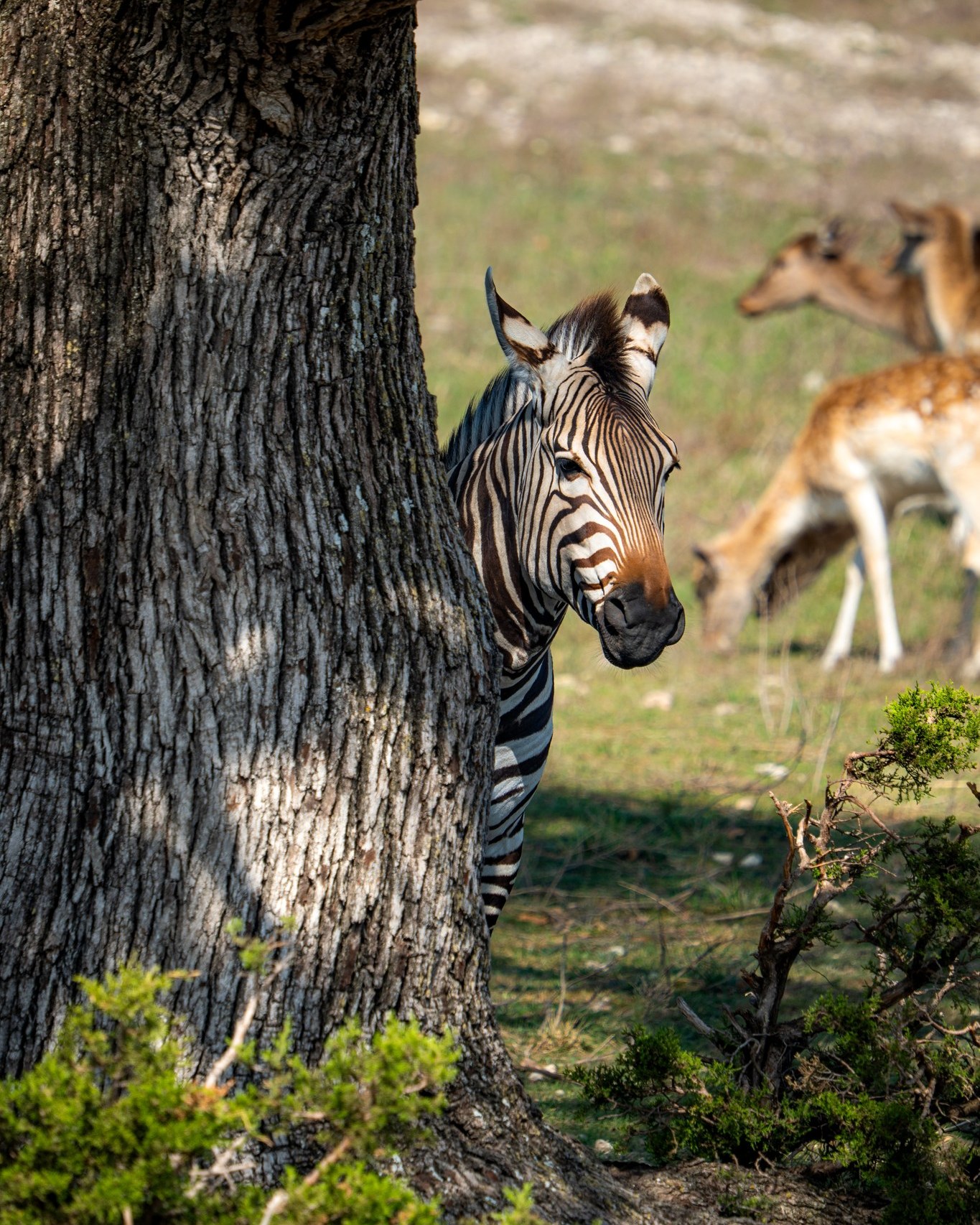
Hartmann’s mountain zebra, a subspecies of the mountain zebra, is known for its striking appearance and distinctive social behaviors. These zebras occupy the hilliest and rockiest terrains of western Namibia, where they engage in activities that reflect both their physical adaptations and social dynamics. One interesting behavior observed is their playful interactions, reminiscent of a game of hide and seek in their expansive 266-acre pastures.
Hartmann’s mountain zebra are not your average striped equines. They exhibit certain physical adaptations that make them well-suited for their rugged habitat. Unlike other zebras, Hartmann’s mountain zebras have tough, pointed hooves that provide excellent traction on rocky surfaces. This feature allows them to maneuver across steep cliffs and rocky outcrops, which illustrates their climbing proficiency. Their powerful legs allow them to navigate the uneven terrain, keeping them agile and mobile in search of food and water.
One fascinating aspect of their physical characteristics involves their striped coat. Not only does the striped pattern facilitate social communication, but it also serves as a natural form of camouflage in their mountainous environment. The alternating black and white stripes can help them blend into the dappled light created by the shadows and rocks of their surroundings, especially when they engage in their playful hide and seek games. This engagement provides essential exercise and social interaction, reinforcing bonds within the group.
The geographic distribution of Hartmann’s mountain zebras is primarily limited to the escarpment region of Namibia, which extends north to south along a high plateau. The combination of rocky terrain, scrub, and grasslands offers a unique ecological niche for these zebras. Their primary diet consists of grasses and leaves, which they graze on throughout the day. In addition to their grazing behavior, they often seek out mineral-rich soil found in rocky outcrops, which plays a crucial role in their nutrition.
Hartmann’s mountain zebras are highly social animals. They usually form small herds consisting of a few females led by a dominant stallion. The social structure fosters a robust environment for nurturing young zebras, providing them security and facilitating learning opportunities. The playful dynamics within these herds contribute to their social cohesion. Young zebras engage in playful activities, including mock fighting and chasing, mirroring the elements of hide and seek.
In the context of conservation, the Hartmann’s mountain zebra faces several challenges due to habitat loss and fragmentation. Overgrazing by livestock, agricultural expansion, and human encroachment constitute significant threats to their population. As a result, these zebras have been listed as a near-threatened species. Conservation efforts are essential to preserve their natural habitats and ensure their survival. Implementing protected areas and creating awareness among local communities can foster support for sustaining their populations.
Zoos and wildlife reserves provide unique opportunities to educate the public about the Hartmann’s mountain zebra. Interactive exhibits designed to mimic their natural habitats can enhance visitor engagement by offering insights into their behavior and ecological significance. Such initiatives allow individuals to appreciate the importance of protecting these animals in the wild.
Through proper education and advocacy, we can highlight the critical role that species like the Hartmann’s mountain zebra play in their ecosystems. By focusing on conservation, we can work to mitigate the threats they face and ensure their habitat remains intact. The playful interactions often observed in groups, reminiscent of games like hide and seek, underline the social complexity of these zebras while helping to engage the public in wildlife conservation efforts.
Hartmann’s mountain zebras possess remarkable adaptations that enable them to thrive in a challenging environment. Their climbing abilities, coupled with their social structures, make them a fascinating subject for study. Understanding their ecology and behavior not only enriches our knowledge of the species but also emphasizes the need for continuous conservation efforts to protect these captivating animals and their habitats.
*****
Source Description
Sometimes the Hartmann’s mountain zebra enjoy a game of hide and seek. 🦓
They enjoy using the majority of their 266-acre pasture, and they may not look it, but the Hartmann’s mountain zebras are avid climbers. They have very hard and pointed hooves compared to other zebras and horses. So it should be no shock then that they are in our hilliest and rockiest pasture along with the aoudad. The HMZ primarily occupies the escarpment region or edge of a plateau that runs north-south along the entire length of western Namibia.
