
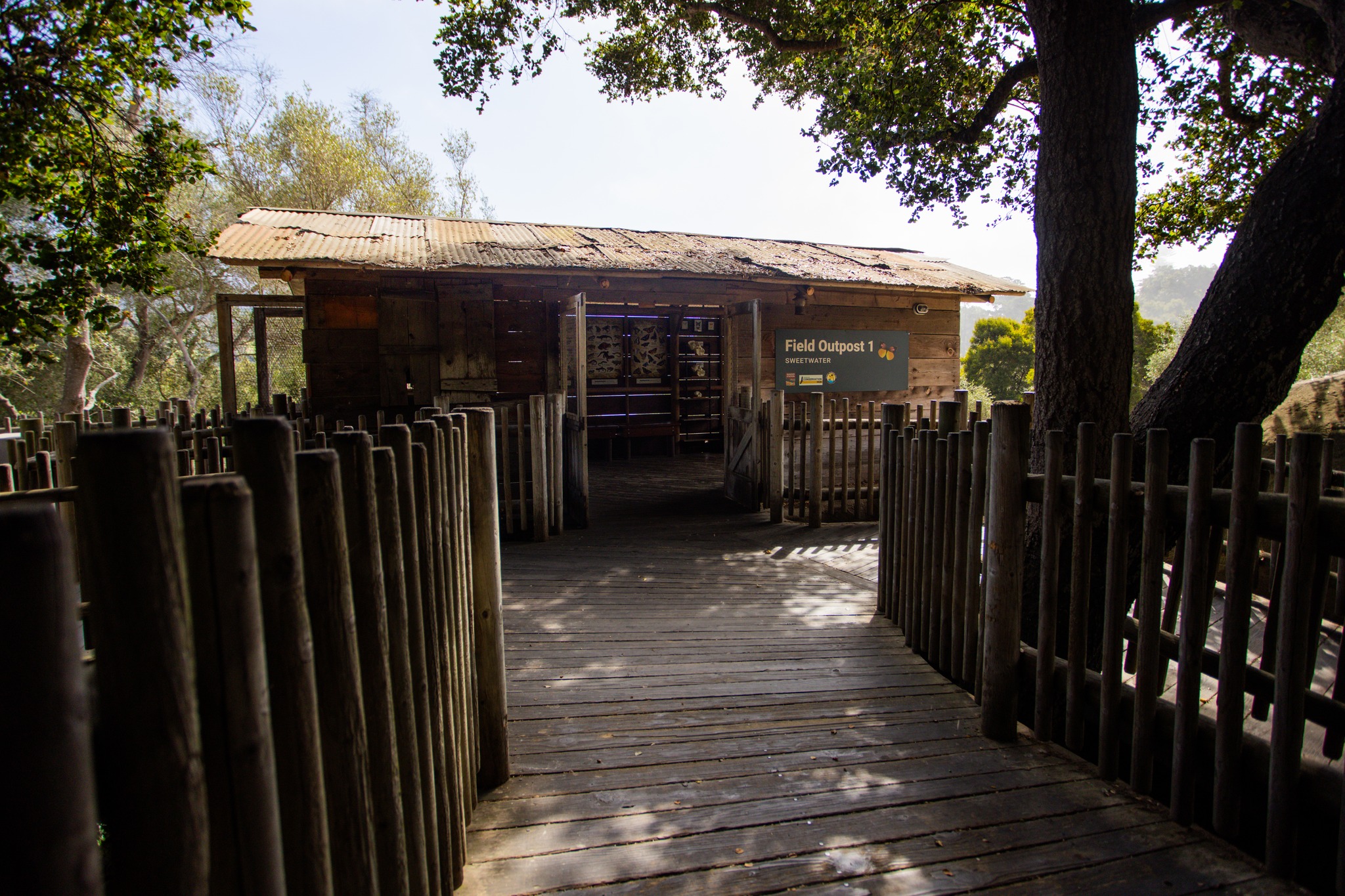
- Field Outpost 1: Overview of its Purpose and Importance
- Engaging with Field Conservation
- Learning Through Animal Artifacts and Field Notes
- Understanding Western Lowland Gorillas: Bangori and Nzinga
- Practical Information for Visitors
Field Outpost 1 serves as an inviting space that takes visitors on a journey into the critical work of field conservation. Located within the Zoo, it offers an engaging experience for those interested in animal welfare, research, and conservation practices. This vibrant outpost plays a significant role in educating the public about various ecological challenges while highlighting the importance of wildlife preservation. By visiting this area, guests can develop a deeper understanding of the natural world and the efforts being made to protect it.
Field conservation is essential as it involves actively working in natural habitats to protect ecosystems and the animals that inhabit them. The outpost acts as a liaison between the zoo environment and the wild, sharing insights into the dedicated work of conservationists. Visitors to Field Outpost 1 will learn about the array of initiatives aimed at habitat restoration and species preservation. This area emphasizes community involvement as well, showcasing how public support can amplify conservation efforts.
One of the key attractions at Field Outpost 1 is its collection of animal artifacts and detailed field notes. Guests can examine various items collected from the field, which provide tangible links to the animals and ecosystems they come from. These artifacts range from skeletons and pelts to tools used in research. Each item is accompanied by informative displays that describe its significance and the context in which it was collected.
The field notes presented at the outpost are particularly fascinating. They chronicle species behaviors, habitat conditions, and ongoing research projects. This first-hand documentation allows visitors to grasp the daily realities faced by conservationists and the various challenges of studying wildlife in their natural environments. Engaging with these materials also inspires visitors to think critically about their own roles in conservation.
An important highlight of Field Outpost 1 is the opportunity to observe Western lowland gorillas, specifically Bangori and Nzinga, from a different perspective. This immersive experience allows guests to appreciate the gorillas’ behavior and social dynamics in a setting designed to replicate their natural habitat. The exhibit aims to foster a connection between visitors and these incredible animals. Understanding their behaviors and challenges helps raise awareness about the conservation efforts necessary to protect their declining populations.
Western lowland gorillas are classified as critically endangered, primarily due to habitat loss, poaching, and disease. Field Outpost 1 brings attention to these pressing issues. By studying Bangori and Nzinga, visitors learn not just about their biology and ecology, but also the broader implications of threats to their survival. This education can motivate individuals to engage in conservation efforts, both locally and globally.
Practical information for visitors emphasizes the accessibility of this immersive experience. Entrance to Field Outpost 1 is included with regular zoo admission or membership. The outpost is designed to be welcoming and informative, aiming to attract visitors of all ages. Families, school groups, and animal enthusiasts will find engaging content tailored to a variety of interests and knowledge levels.
The facility is constructed to mimic the feel of an adventurous cabin, enhancing its appeal. This design invites guests to explore as they would in a real field research location. Outdoor areas allow for seating and reflection, making it easy for visitors to absorb the information they encounter. The blend of indoor and outdoor components enhances the educational experience, as guests can move fluidly between interactive displays and real-life observations.
Field Outpost 1 is committed to fostering an appreciation for wildlife while highlighting the importance of responsible stewardship. The efforts here align with larger conservation goals aimed at educating the general public. Learning about local and global conservation efforts provides visitors with the knowledge needed to make an impact in their communities.
The collaborative aspect of conservation is paramount at Field Outpost 1. By spotlighting ongoing habitat restoration projects and partnerships with organizations, the outpost emphasizes how teamwork can yield significant progress. Visitors are encouraged to think about how they can support these initiatives through their actions, whether it’s through participating in community cleanups or advocating for wildlife protection policies.
Engagement with technology is also prevalent at Field Outpost 1. Displays often incorporate video and interactive elements, allowing people to experience conservation efforts in real-time. By leveraging multimedia resources, the outpost ensures that educational content remains accessible and engaging. These features also attract younger audiences, fostering an early interest in environmental science.
Exciting educational programs are offered periodically at the outpost, catering to diverse audiences. Workshops and presentations allow visitors to delve deeper into specific topics related to animal conservation, species threats, and habitat management. These programs encourage participants to ask questions and engage with experts in the field, enhancing the overall learning experience.
Each visit to Field Outpost 1 is an opportunity to contribute to a growing movement dedicated to protecting biodiversity. The ethos of conservation is not just about animals but about ecosystems as a whole. By addressing the interconnected nature of life on Earth, Field Outpost 1 encourages visitors to take informed action for the planet.
Immersive experiences such as Field Outpost 1 make it possible for guests to connect personally with the concept of conservation. By learning about the importance of habitats and species survival, visitors are inspired to take steps to protect these resources. Individuals who leave with a deeper understanding of these issues may choose to advocate for wildlife in their communities or even pursue careers in related fields.
Support for conservation can take many forms. Whether it’s participating in educational workshops, contributing to conservation funds, or spreading awareness, every action counts. Field Outpost 1 invites guests to reflect on how they can make a positive impact through informed choices.
The presence of Bangori and Nzinga further highlights the urgent need for conservation. Observing these remarkable creatures firsthand can change how individuals view the natural world. It fosters empathy towards endangered species and encourages a sense of responsibility for their welfare.
This immersive space serves as a critical resource for building a knowledgeable community regarding wildlife conservation. By facilitating visitor engagement with scientific research and fieldwork, Field Outpost 1 disrupts the disconnect often felt between humans and nature. It challenges common perceptions and presents an actionable route toward environmental stewardship.
Field Outpost 1 operates not only as a learning center but also as a platform for advocacy. It communicates the necessity of protecting wildlife and instills a sense of urgency regarding conservation issues. Through its unique programming and engaging displays, visitors leave with a sense of empowerment, realizing that their actions can contribute to a healthier planet.
In summary, Field Outpost 1 is a vital component of the Zoo’s educational mission focused on conservation. By bridging the gap between visitors and the natural world, it offers insights into the importance of preserving animal habitats. With immersive learning opportunities and real-life connections to wildlife, Field Outpost 1 serves as an essential resource for fostering an informed and engaged community dedicated to conservation efforts. Every visit is a chance to support the mission and create lasting change for future generations.
*****
Source Description
Have you visited Field Outpost 1? 🏕️🥾🧭
Be sure to swing by one of our favorite immersive spaces at the Zoo during your next visit for a deep dive into the world of field conservation, animal artifacts, and an alternative view of Western lowland gorillas Bangori and Nzinga in their adjacent habitat!
Cost: Free with Zoo admission or Membership
Alt-text: Photos of Field Outpost 1, including an exterior shot of the cabin-looking structure, interior pictures including a peek at field notes displays and animal artifacts, and a shot of a guest admiring Bangori the Western lowland gorilla.
