
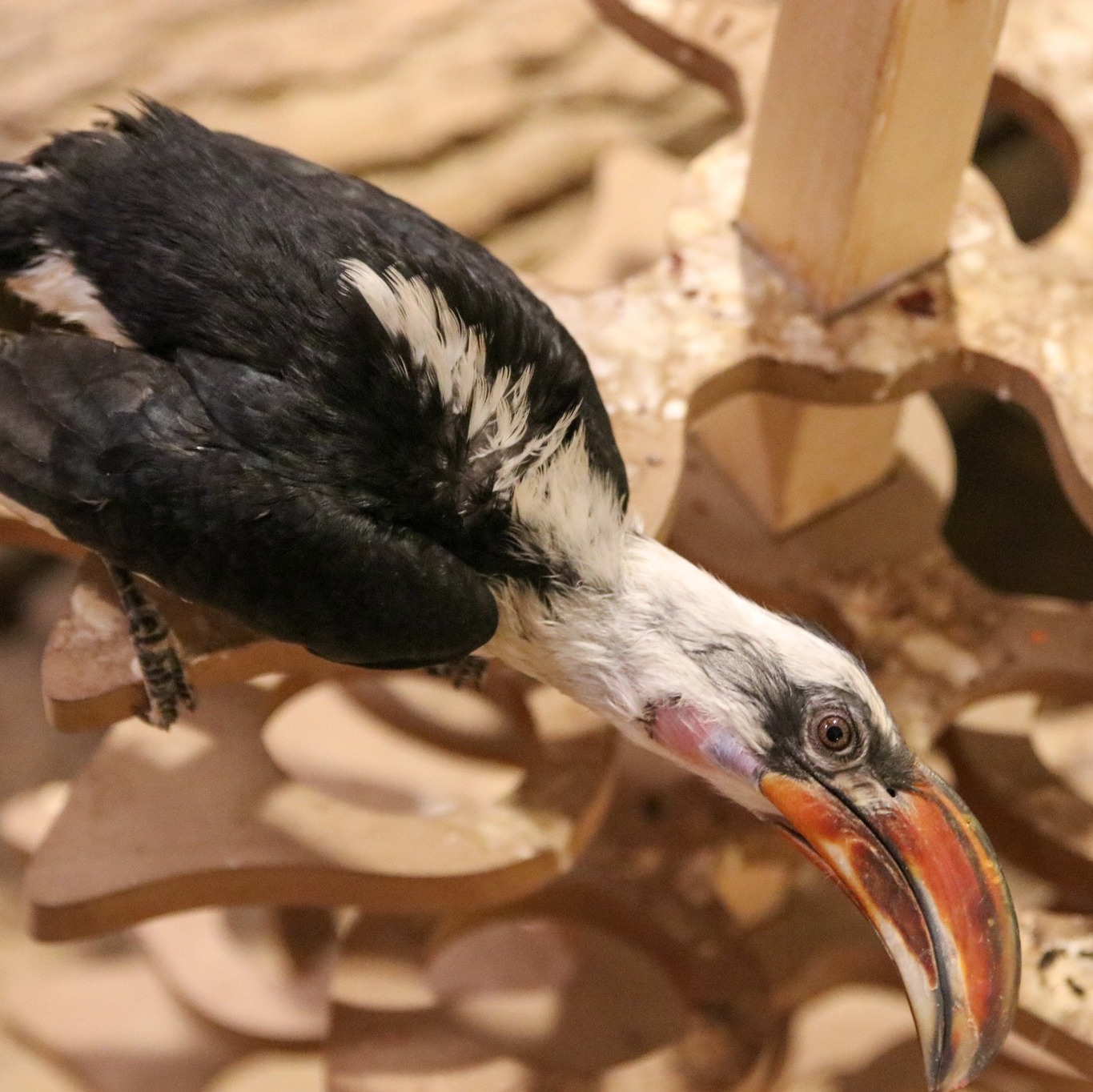
- The mutualistic relationship between hornbills and mongooses
- The behavioral traits of hornbills and mongooses
- The significance of conservation efforts involving these species
- The role of zoos in educating the public about wildlife
- How visitors can engage with and support wildlife conservation
Hornbills and mongooses share a fascinating relationship that exemplifies the beauty of mutualism in nature. This interaction illustrates how two different species can benefit from one another, facilitating not just their survival, but also enhancing their behaviors and roles in their ecosystems. Hornbills, renowned for their striking beaks and social behavior, often join forces with mongooses, known for their agility and pack mentality. This partnership raises questions about their adaptation strategies and the impact of these dynamics on their survival in the wild.
Hornbills are primarily frugivorous, meaning they favor fruits in their diet, but they also consume small animals and insects. Their remarkable eyesight allows them to detect predators from a distance. Mongooses, on the other hand, are opportunistic feeders. They hunt smaller creatures such as insects, rodents, and small reptiles. The hornbill serves an essential role in spotting danger while the mongoose is engaged in foraging. When hornbills are perched high up on trees, they can observe their surroundings and alert their mongoose friends about potential threats. This vigilant behavior promotes safety for both species: the hornbills can forage with security while the mongooses benefit from the hornbill’s sharp vision.
The behaviors of these two species provide insight into their adaptation strategies. Hornbills display communal roosting behavior, where large groups come together at dusk. This social system not only provides safety in numbers but also enables enhanced communication among individuals. Mongooses exhibit cohesive group behavior as well, typically living in social groups led by a dominant male or female. Their efforts in the wild highlight their instinctual teamwork. Both species rely on these adaptive behaviors to maximize food intake while minimizing risks.
Conservation efforts play a pivotal role in maintaining the populations of these species. While both hornbills and mongooses have adapted well to their ecosystems, they face various threats, including habitat destruction, climate change, and human encroachment. Conservation programs specifically focused on habitat restoration aim to foster environments where these animals can thrive. Organizations often conduct educational outreach to highlight the significance of preserving these habitats, providing a broader understanding of ecosystem health.
Zoos contribute significantly to wildlife conservation and public education. They serve as living classrooms, offering visitors a platform to learn about the interconnectedness of species in nature. Exhibits featuring hornbills and mongooses provide educational materials that depict their behaviors, habitats, and conservation status. The opportunity to observe them up-close enhances understanding and appreciation, fostering a desire for conservation efforts. Through engaging programs, zoos also cultivate a sense of responsibility among visitors to protect and preserve wildlife.
Visitor engagement is crucial in enhancing conservation initiatives. By participating in educational programs and supporting wildlife conservation, attendees become ambassadors for these species. Organizations often encourage zoo visits, which help fund conservation projects and ensure continued efforts to protect habitats. Many zoos actively promote ways to get involved, whether through volunteering, attending workshops, or contributing to financial donations aimed at specific conservation efforts.
It’s thrilling to observe hornbills and mongooses at the zoo. These exhibits highlight the complexities of their relationships, showcasing how they work together to thrive in their ecosystems. For example, Loki and Zara, two hornbills, demonstrate playful yet diligent behaviors that captivate zoo visitors. Their dynamic interaction teaches observers about the nuances of their partnership with mongooses.
In understanding the value of mutualism, we recognize that the relationship between hornbills and mongooses is not merely a product of chance; it is an essential component of their evolution and survival. Engaging with zoo programs that focus on such relationships can deepen our understanding of biological connections and highlight the importance of protecting these species in the wild.
The feeding behaviors of hornbills and mongooses further reveal insights about their adaptations. Hornbills often use their long beaks to access fruits high in trees, while mongooses apply their agility to dig in the ground for insects. Observing these behaviors allows us to appreciate not just how different species thrive individually but also how they can complement one another’s lifestyles. In partially open landscapes, where visibility is impaired due to foliage, their partnership becomes invaluable. Each species balances the other’s limitations, showcasing the power of collaboration in nature.
This dynamic interaction serves as a model for understanding broader ecological principles. It illustrates how relationships between species contribute to the resilience of ecosystems. When one element of this partnership is disrupted—be it through habitat loss or population decline—the ripple effects can be felt throughout the ecosystem. The extinction of one species can lead to a domino effect, showcasing the intricate interdependencies present in nature.
Efforts to educate the public about these interactions help build awareness regarding the importance of biodiversity. Beyond our immediate environment, the preservation of these species contributes to global efforts in combating ecological challenges. Conservation programs often extend beyond the species themselves, also focusing on holistic habitat approaches that benefit entire ecosystems. Encouraging visitors to learn more about conservation strategies and their impacts can stimulate a sense of communal responsibility towards wildlife.
A visit to the zoo can ignite passion for wildlife conservation. By actively participating in educational initiatives, visitors can become knowledgeable advocates for species preservation. This knowledge empowers individuals to make informed choices that affect our natural world. Whether it’s supporting local conservation efforts or advocating for sustainable practices, every action counts.
Nature is resilient but requires thoughtful stewardship. The partnership between hornbills and mongooses offers a compelling narrative about collaboration. Observing this relationship invites us to reflect on human interactions with the natural world, prompting questions about our roles as caretakers of the environment. As habitat loss and climate change pose increasing threats to wildlife, understanding these dynamics becomes essential.
Zoos like the one featuring Loki and Zara are crucial in bridging the gap between science and public awareness. They play an instrumental role in educating visitors about species like hornbills and mongooses, encouraging attitudes that favor conservation. Effective educational initiatives inform the public about the ecosystems these animals inhabit while inspiring a personal connection to wildlife.
Engagement through these educational experiences can lead to informed advocacy. The value of action cannot be understated as public interest can drive significant change. By supporting conservation funds, participating in community clean-ups, or spreading awareness on social platforms, zoo-goers can contribute to the well-being of wildlife. Each of these contributions reinforces the collaborative effort needed to sustain our ecosystems and preserve biodiversity.
Encountering hornbills and mongooses offers more than just a glimpse into the animal kingdom; it presents an opportunity for active participation in conservation. The bond they share serves as a reminder of the delicate balance in nature. By encouraging a culture of engagement and respect for wildlife, we can collectively pursue a future where both hornbills and mongooses thrive alongside us.
Visiting the zoo not only allows for education but can forge lasting memories and impactful experiences. Loki and Zara embody the essence of cooperation in nature, compelling each visitor to consider how they can play a role in wildlife conservation. Each ticket purchased contributes to ongoing efforts aimed at safeguarding these extraordinary species and the environments they inhabit. The collaboration between hornbills and mongooses captures the heart of ecological interactions, nurturing a collective responsibility towards our planet’s biodiversity.
*****
Source Description
Happy
Honestly, what’s not to love? Our feisty hornbills bunk with the mongoose due to their mutualistic relationship! Hornbills spot danger while mongoose find food…talk about teamwork!
Keep an eye out, they’re always on alert! 👀
Stop by and visit Loki and Zara at the Zoo today. Get your tickets at the link in our bio!
.
.
.
