
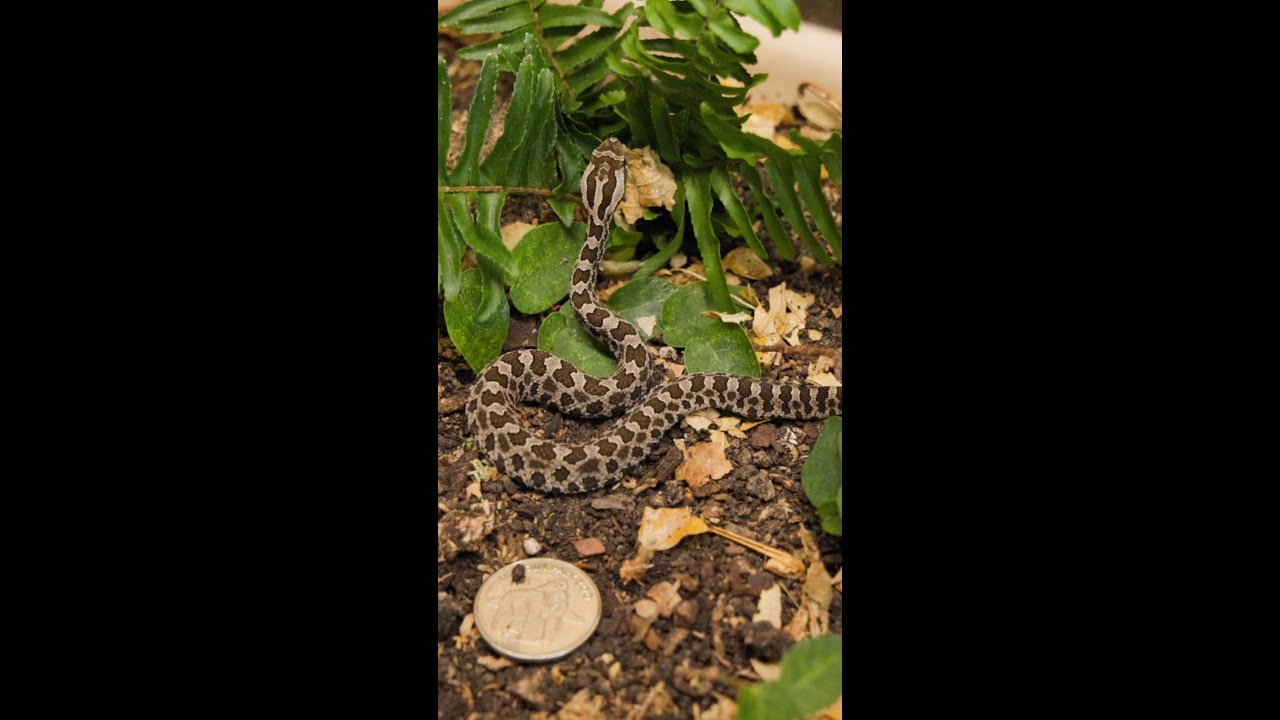
- Overview of “Have you heard the newssss?🐍” and its educational significance in wildlife and conservation.
- Detailed examination of the unique features and adaptations of reptiles, highlighting their ecological roles.
- Insights into zoo management techniques that contribute to the conservation of reptiles and biodiversity.
- Importance of public awareness and education in fostering a conservation mindset.
- Strategies and initiatives for effective wildlife conservation and habitat preservation.
Reptiles have long fascinated scientists and the public alike. With their diverse adaptations and vital ecological roles, they are an integral component of the world’s biodiversity. The phrase “Have you heard the newssss?🐍” sparks curiosity, particularly in the context of zoology, zoo management, and wildlife conservation.
Reptiles such as snakes, crocodiles, and lizards exhibit a wide range of adaptations that allow them to thrive in various environments. Snakes, for example, can detect heat through specialized pits, a feature that aids in hunting. This physiological adaptation showcases the extraordinary complexity of their sensory systems. Furthermore, reptiles’ ability to regulate their body temperature through behavioral means, such as basking in the sun or seeking shade, demonstrates their adaptability to diverse climatic conditions.
Beyond individual adaptations, reptiles play significant roles in ecosystems. As both predators and prey, they help maintain the balance of their habitats. Snakes control rodent populations, while lizards often serve as a food source for birds and mammals. These interactions underscore the importance of reptiles in trophic dynamics and ecosystem stability. Moreover, their presence in different trophic levels indicates their impact on both terrestrial and aquatic environments.
Zoo management practices are increasingly focusing on the conservation of reptile species. Modern zoos are not only places of public amusement but also centers for research, conservation, and education. Zoos provide controlled environments, offering safe havens for endangered species. Breeding programs, like those for critically endangered snake species, help bolster population numbers. These efforts align with global conservation objectives, aiming to mitigate the loss of biodiversity.
One of the significant challenges in zoo management is maintaining the genetic diversity of captive populations. This involves careful planning and collaboration among zoos worldwide. The use of technologies such as DNA analysis has proven instrumental in this regard. Genetic data ensure that breeding programs optimize genetic variety, reducing the risk of inbreeding and enhancing species resilience.
Public education is pivotal to wildlife conservation efforts. Understanding and appreciating reptiles require dispelling myths and misconceptions. Programs such as “Have you heard the newssss?🐍” aim to enhance public awareness, shedding light on the ecological significance of these often misunderstood creatures. Interactive exhibits and educational workshops foster a connection between visitors and wildlife, cultivating a conservation-minded society.
Education initiatives in zoos and conservation centers often employ hands-on experiences. By allowing people to engage directly with reptiles, these programs demystify them and highlight their importance. This approach has been successful in shifting public perception and rallying support for conservation efforts. Increased awareness translates into advocacy, which is crucial for influencing policy and securing funding for conservation projects.
Wildlife conservation strategies must address habitat loss, climate change, and poaching—all threats to reptile populations. Protected areas such as nature reserves and national parks play a vital role in safeguarding habitats. These locations offer a refuge where ecosystems can function without human interference. Additionally, conservation policies must focus on creating corridors that connect fragmented habitats, allowing for gene flow and species migration.
Climate change poses a pervasive threat, altering habitats and impacting species survival. Reptiles, being ectothermic, are particularly sensitive to temperature changes. Conservation strategies must incorporate climate adaptation measures, ensuring habitat availability under changing conditions. Research is key in this aspect, with ongoing studies monitoring the effects of climate fluctuations on reptile behavior and physiology.
Combating poaching requires stringent legal frameworks and international cooperation. Reptiles are often targeted for their skins, meat, or as exotic pets. Effective law enforcement, community engagement, and sustainable livelihood programs help curb illegal activities. By involving local communities in conservation efforts, there is a shared interest in preserving wildlife, creating a sustainable model where both humans and nature can thrive.
In summary, “Have you heard the newssss?🐍” and similar initiatives underscore the importance of reptiles in ecosystems. Through adaptations and diverse roles, reptiles impact environmental health. Zoo management plays a crucial role in conservation, emphasizing research, breeding, and education. Public awareness drives advocacy for protective measures, while strategic conservation plans ensure species survival amid ecological challenges. Through concerted efforts, it is possible to nurture biodiversity for future generations.
*****
Source Description
Nine baby Eastern massasauga rattlesnakes were born at Regenstein Small Mammal-Reptile House. Endangered and often misunderstood, these little rattlers mark a big conservation milestone as Lincoln Park Zoo works alongside state and national authorities to protect this endangered species.
