
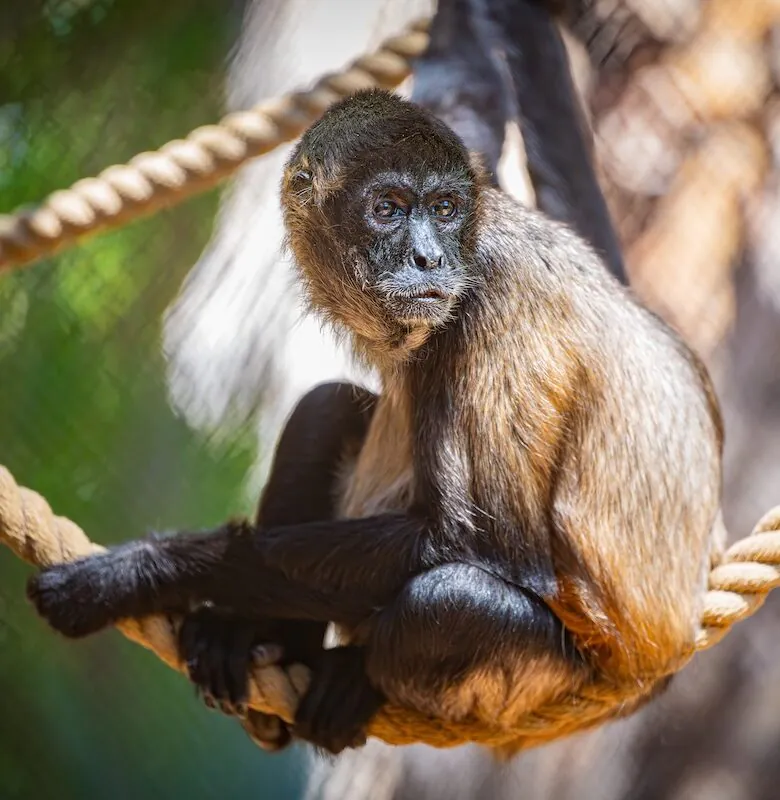
Summary of Spider Monkeys: The Animal Trade is Real:
The content discusses the challenges faced by spider monkeys in the wildlife trade. These animals often endure traumatic journeys from their natural habitats in Mexico to the U.S. border, where efforts are made to combat trafficking. The Phoenix Zoo plays a crucial role in rehabilitating these monkeys, focusing on their health and socialization after being rescued.
To enhance its capacity for animal care, the zoo is building the Doornbos Animal Rescue and Care Center (Doornbos ARCC), which aims to provide specialized attention and modern facilities for animals in need. The center will also raise community awareness about wildlife conservation.
The article concludes with links to related recent posts about the zoo and calls for support.
- Spider monkeys are affected by the wildlife trade and have specific trafficking challenges.
- The importance of social structures in spider monkeys and the impact of family separation.
- The role of facilities like the Phoenix Zoo in rehabilitating trafficked species.
- Current conservation efforts and the expansion of programs to protect spider monkeys.
- The broader implications of wildlife trafficking on biodiversity and ecosystem health.
Spider monkeys, part of the Atelidae family, are fascinating primates known for their long limbs and prehensile tails. They play an essential role in their ecosystems, often acting as seed dispersers. However, the wildlife trade poses a serious challenge to their populations, particularly in Central and South America. A significant portion of spider monkeys are captured illegally and sold as exotic pets, which disrupts not only their lives but entire ecosystems as well.
The journey for many spider monkeys begins in the lush forests of countries like Mexico and ends in crowded urban environments, far from their natural habitats. In the wild, spider monkeys depend on family groups for survival, communication, and social learning. When they are captured at a very young age, often before they’ve had the opportunity to learn from their mothers, the effects can be devastating. These monkeys are reliant on their social structures for their development. The sudden separation from family leads to emotional and physical trauma that can hinder their ability to reintegrate.
When young spider monkeys are taken, they often endure harrowing experiences. They are usually crammed into tiny, dark containers with insufficient ventilation. Limited access to food and water compounds their distress during this journey. They may face extreme temperatures, leading to weakened health by the time they arrive at their destination. For conservationists and wildlife officials, this scenario is heartbreaking, as many of these animals have little chance of recovery without intervention.
The Phoenix Zoo plays a crucial role in addressing these distressing circumstances. The zoo collaborates with the U.S. Fish and Wildlife Service and organizations like the Wildlife Trafficking Alliance to rehabilitate animals seized from the illegal trade. Upon arrival at the facility, the health of these spider monkeys is the highest priority. A thorough medical evaluation occurs to identify any immediate health concerns, while specialized diets are introduced to help restore their strength.
Stress management is also crucial at this stage. Staff at the zoo work meticulously to create a calming environment, using a variety of techniques to help minimize fear. Enrichment activities—such as toys and puzzles—are incorporated to promote natural behaviors, which are crucial for their recovery. Introducing these monkeys to their own kind can also aid in reestablishing social bonds, gradually helping them reintegrate into a more typical social structure.
The Doornbos Animal Rescue and Care Center (ARCC) is an upcoming initiative by the Phoenix Zoo that will significantly enhance their capacity to care for wildlife in distress. This state-of-the-art facility will provide a safe haven for animals rescued from trafficking and other dire circumstances. By improving quarantine and rehabilitation capabilities, the zoo aims to offer more comprehensive care to spider monkeys and other vulnerable species.
The pressing issue of wildlife trafficking is more than an isolated concern; it has implications for global biodiversity and ecosystem balance. The removal of spider monkeys from their habitats impacts the plant species they help propagate through seed dispersal, affecting the overall health of their ecosystems. This cycle illustrates the interconnectedness of wildlife and their environments; removing one piece can have far-reaching effects.
Various organizations, including those at the Phoenix Zoo, are advancing conservation efforts to protect spider monkeys from the perils of illegal trade. Education and advocacy play a vital role in these initiatives, raising public awareness about the challenges facing these animals. Training and empowering local communities to protect wildlife and their habitats is an essential aspect of long-term conservation strategies.
Conservationists are also working on legal fronts to tighten regulations that address the wildlife trade, creating stricter penalties for traffickers and fostering international cooperation to combat this issue. These measures aim not only to rescue individual animals but also to break the cycle of trafficking and curb demand.
The plight of spider monkeys highlights the broader reality of wildlife trafficking and its consequences. It underscores the critical role that zoos and wildlife rehabilitation centers play in preserving species and educating the public on the importance of biodiversity. As the demand for exotic pets continues to rise, raising awareness and building effective solutions become imperative for the survival of spider monkeys and countless other species.
In sum, the health of spider monkey populations is intricately tied to wider environmental conservation efforts. Recovery programs like those undertaken by the Phoenix Zoo significantly uplift these animals’ chances of survival while simultaneously enhancing community awareness and engagement in conservation efforts.
The work being done to support spider monkeys proves pertinent not just to their species, but for the integrity of entire ecosystems. As we strive to combat wildlife trafficking, it becomes clear that a multifaceted approach involving rehabilitation, education, and advocacy can create pathways for recovery and aid in preserving biodiversity for generations to come.
