
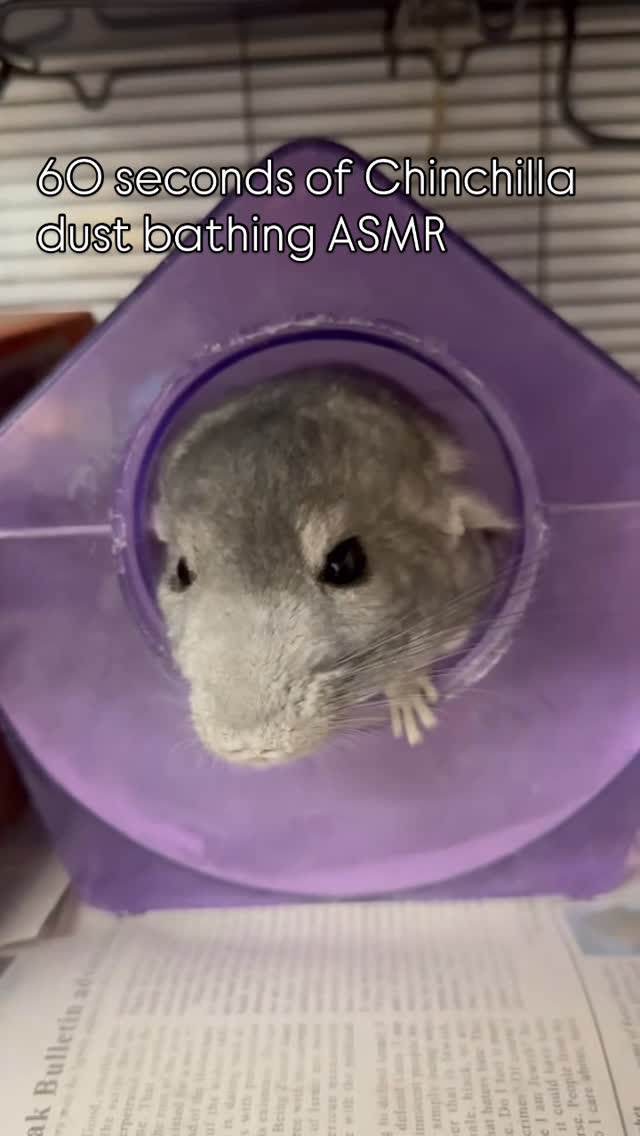
- The significance of animal behavior in stress management within the animal kingdom
- The role of dust bathing in wildlife and domesticated animals
- The physiological and psychological benefits of dust rolling as a stress relief mechanism
- Conservation efforts focusing on animal welfare and stress reduction
- Implications for zoo management and captive animal care
Animal behavior is a profound topic in zoology. Understanding how animals respond to their environment can provide insights into their health and well-being. Stress is a common factor in the lives of many species. In both wild and captive environments, animals experience stress due to various factors including habitat loss, competition for resources, and interaction with humans. Stress can lead to detrimental effects on health and behavior. Most animals have developed specific behaviors to cope with stress; one such behavior is dust bathing.
Dust bathing is primarily observed in birds and some mammals. This behavior involves rolling in dry soil or dust. It serves multiple purposes, such as parasite control, thermoregulation, and most importantly, stress relief. For many species, rolling in dust provides comfort and relaxation. This act is more than a simple act of recreation; it is a crucial part of their daily routine.
When animals roll in dust, they create an insulating layer on their skin. This layer helps to regulate temperature, protecting them from extreme heat and cold. Additionally, dust particles can dislodge external parasites, including mites, fleas, and ticks. By removing these pests, animals decrease discomfort and possible infections. A healthy coat or skin translates to reduced stress. Animals that can effectively manage parasites and temperature better maintain their overall health.
Moreover, the psychological benefits of dust bathing are notable. Rolling in dust can trigger a state of relaxation similar to how humans might engage in physical activities to relieve stress. The simple act of moving around and interacting with different textures stimulates the animal’s body, releasing endorphins that promote a sense of well-being. Animals that experience less stress are more capable of social interactions, reproductive behaviors, and foraging activities. This demonstrates the interconnectedness of mental and physical health.
In terms of conservation, understanding the importance of such behaviors is critical. Wildlife conservation efforts increasingly focus on animal welfare. By ensuring that natural behaviors—like dust bathing—are accessible to wildlife, organizations can improve animal well-being. This focus extends to the management of zoo and sanctuary environments. Modern zoological institutions are beginning to design their spaces with these natural behaviors in mind. Creating enclosures that allow animals to engage in dust bathing can reduce stress and improve overall quality of life.
Zoo management is adapting to prioritize these natural behaviors. Many facilities are now incorporating enriched habitats where animals can express instinctual behaviors freely. This includes not only dust bathing but also climbing, foraging, and socializing. Ensuring that animals in captivity can perform these actions is essential. It reduces the risk of stereotypic behaviors, which indicate stress or boredom, and fosters a more enriching environment.
From a management perspective, regular assessments of animal behavior are vital. Observations can help staff identify signs of stress, enabling timely intervention. Implementing stress-relief practices enhances both animal health and visitor experience. Educating the public about the needs of these animals further supports conservation efforts. Visitors who understand the importance of dust bathing and other behaviors are more likely to advocate for animal welfare and protection.
The discussions around animal behavior and stress management are crucial in the field of wildlife conservation. By appreciating the needs of diverse species, we contribute to their preservation and well-being. Dust bathing represents just one of many behaviors essential for maintaining health in animals. The more we understand these natural practices, the better equipped we become to support wildlife both in their natural habitats and in captivity.
Incorporating an understanding of stress responses like dust bathing into wildlife management can change how we interact with animals across various settings. Employing practices that encourage natural behavior not only benefits individual animals but also sheds light on the larger ecosystem dynamics. As we become more aware of these connections, future conservation efforts can target animal welfare effectively, ensuring that species thrive amid environmental challenges.
Through rigorous study and thoughtful application, we can turn knowledge into action. Emphasizing the psychological benefits of behaviors like dust bathing highlights the importance of humane treatment across wildlife conservation initiatives. As zoos evolve into centers of learning and advocacy, they play a pivotal role in promoting the well-being and health of both their animal residents and the wider populations they represent.
Engaging with natural animal behaviors is not just a matter of curiosity. It supports ethical considerations in how we manage and care for both wild and captive animals. Creating enriching environments that promote behaviors such as dust bathing can substantially reduce stress, leading to healthier populations. This approach aligns with sustainable practices needed to protect the diverse wildlife we share the planet with.
Ultimately, enriching habitats that allow animals to engage in instinctual behaviors is fundamental to conservation. By prioritizing the emotional and physical well-being of species, we pave the way for healthier ecosystems. Dust bathing, as a behavior, encapsulates the broader conversation about animal welfare in conservation. Understanding and advocating for such practices ensures that both wild and captive animals can enjoy their lives free of unnecessary stress.
The implications for wildlife management extend across various domains in conservation. Empowering animal care professionals with knowledge on stress management through natural behaviors equips them to foster healthier animals. This foundational work will ripple through conservation efforts now and in the future. Efficient management of animal welfare is paramount as we strive to protect biodiversity and maintain balanced ecosystems.
Animal behavior research continues to evolve, offering fresh insights that can drive positive change in conservation. Engagement with practices that mitigate stress, such as dust bathing, is a clear indication of a growing consciousness about animal needs. As we challenge conventional norms in zoological settings, we can create a more informed approach to wildlife preservation. Understanding stress management, reinforced through natural behaviors, supports ecosystems that thrive in harmony and balance.
Fostering environments where behavior is respected will ultimately aid in safeguarding wildlife. It is a continual journey towards realizing the comprehensive nature of conservation. By demonstrating the importance of stress relief methods like dust bathing, we reaffirm our commitment to ethical and effective wildlife management.
*****
Source Description
Sugar Pie sees that you’re stressed and wanted to ask, “have you tried aggressively rolling in dust about it?”
