
- The significance of the Zoo’s conservation carousel in promoting wildlife awareness.
- New carousel additions and their educational value.
- The role of zoos in conservation and public education.
- Engaging families through interactive experiences.
- The importance of supporting conservation efforts through recreational activities.
The Zoo’s conservation carousel offers more than just a joyful spin; it’s a part of a larger mission focused on wildlife conservation and education. Each ride not only pleases the senses but also serves as a gateway into understanding the intricate balance of ecosystems and the importance of protecting various species. As visitors glide past vibrant depictions of cassowaries, warthogs, and sea lions, they are introduced to species critical to their habitats, fostering a greater appreciation for wildlife preservation.
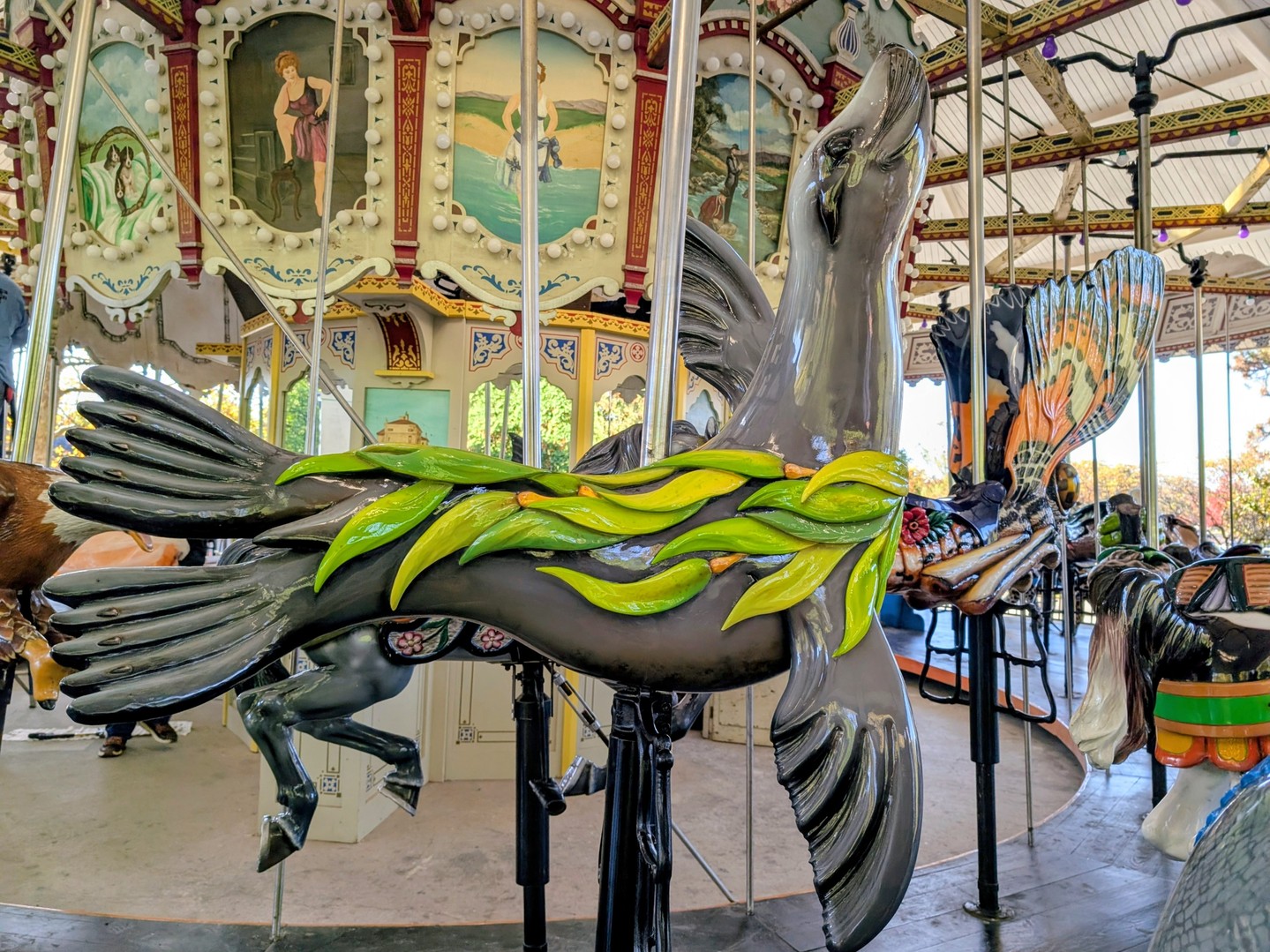
The carousel’s new seats—the cassowary, warthog, and sea lion—are not just decorative. They symbolize specific conservation messages. The cassowary, often referred to as the “lemmer,” is a flightless bird native to the tropical forests of New Guinea and Northern Australia. Its role in the ecosystem is crucial as it helps disperse seeds, contributing to forest health. Educating the public about such species can spark interest in their conservation status. The warthog, endemic to Africa, serves as an important species for the savannah ecosystem, regulating plant growth by rooting for food. Sea lions, charismatic marine mammals, face threats from habitat loss, fishing nets, and climate change. Each of these animals presents an opportunity for discussion about the challenges they face and what can be done to protect them.
Zoos function as educational hubs in our communities, bridging the gap between people and wildlife. Through initiatives like the conservation carousel, zoos raise awareness about endangered species and the critical need for conservation. Each ride can be a moment of learning that encourages visitors to engage in dialogue about biodiversity, ecological responsibility, and sustainable practices.
The carousel also acts as an interactive platform for families. Engaging experiences, such as spinning on animals representing various habitats, enhance the emotional connection between the visitors and the environment. Children learn through play, internalizing lessons about nature, species preservation, and environmental stewardship in ways that are both memorable and impactful.
The educational component extends beyond the rides. Many zoos offer programs, talks, and workshops that complement the carousel experience, demonstrating the multifaceted role of zoos in conservation. Educational programs can include hands-on activities, wildlife presentations, and behind-the-scenes tours, all of which further solidify the link between entertainment and wildlife education.
Supporting conservation efforts is vital, and recreation often serves as an effective gateway for families and individuals to engage with conservation topics. Initiatives like the conservation carousel allow guests to contribute to funding projects aimed at species preservation. A portion of the proceeds from the carousel may go toward important research, habitat restoration, and community outreach programs.
Significant time is invested in understanding and addressing the challenges that wildlife encounters in a rapidly changing environment. Climate change, habitat destruction, and poaching require action and awareness. The involvement of the public, through enjoyable activities like spinning on a carousel, can positively influence attitudes towards conservation. Engaging in conversations about wildlife protection in these settings not only makes learning enjoyable but also encourages actionable steps that individuals can take to contribute to conservation efforts.
As the season for the carousel winds down, visitors are encouraged to make the most of their experience before it concludes after Saturday, November 29 (weather permitting). This time frame creates a sense of urgency, prompting people to visit the Zoo and enjoy a final ride while contributing to a cause larger than themselves.
By focusing on various species, the carousel effectively illustrates the diversity of life that exists within our ecosystems. Feedback from visitors regarding their favorite carousel seats, such as the bear, butterfly, or now the cassowary, adds a personal touch to the experience. These discussions and anecdotes about individual seats promote greater awareness of the animals they represent.
In addition to the enriching experience offered by the carousel, it serves as a tangible reminder of the Zoo’s broader mission. Each animal on the carousel represents a potential conservation story. By simply enjoying the ride, guests are reminded of the importance of ecological balance and how individual actions can contribute to global conservation efforts.
The connection between recreation and wildlife conservation is critical. Ideally, family outings should not just be fun but also transformative. Lessons learned through delightful encounters can lead to informed choices about the brands we buy, the food we consume, and the policies we support. A visit to the Zoo functions as an immersive learning experience, enriching lives while advocating for vital causes.
In summary, the Zoo’s conservation carousel encapsulates the critical link between recreation and education in fostering a greater understanding of wildlife conservation. The carousel serves as both an attraction and a powerful tool for promoting the conservation missions of zoos. The new seats, alongside the existing offerings, amplify the educational opportunities presented through the carousel experience.
As visitors gather to share their favorite animal seats—be it bears, butterflies, or the newly added casowary, warthog, and sea lion—they participate in a unique discussion about the role of animals in ecosystems. This interactivity engages a multi-generational audience. It sparks discussions on ecology and wildlife, laying the foundation for future conservationists.
The combination of entertainment and education provided by the carousel positions zoos as essential players in the ongoing effort to conserve wildlife and habitats. Engaging the public in this way ensures that conservation themes remain relevant and impactful well beyond the carousel ride. Visitors leave not just with memories, but with understandings that can contribute to meaningful environmental stewardship initiatives.
Partaking in the Zoo’s conservation carousel becomes more than just an enjoyable activity. It transforms into a vital segment of a larger narrative about wildlife conservation and education. As families transition from the carousel to other exhibits within the Zoo, they carry with them pivotal lessons learned during their spins. Future initiatives will focus on expanding such experiences, fostering deeper connections with wildlife and promoting an active role in conservation efforts.
With every turn of the carousel, visitors are encouraged to not only enjoy the ride but also reflect on the vital messages imparted with each animal. At its core, the conservation carousel embodies the partnership between enjoyment and education, making it an unforgettable experience that extends far beyond the Zoo gates.
*****
Source Description
Have your stopped by to take a spin on the Zoo’s conservation carousel lately?
Check out our new seats: a cassowary, warthog and a beautiful sea lion! Be sure to get one last spin in before the carousel season ends after Saturday, November 29 (weather permitting)!
From bears to butterflies: what’s your favorite carousel seat at the Zoo?
📸 Esther Massingill
