
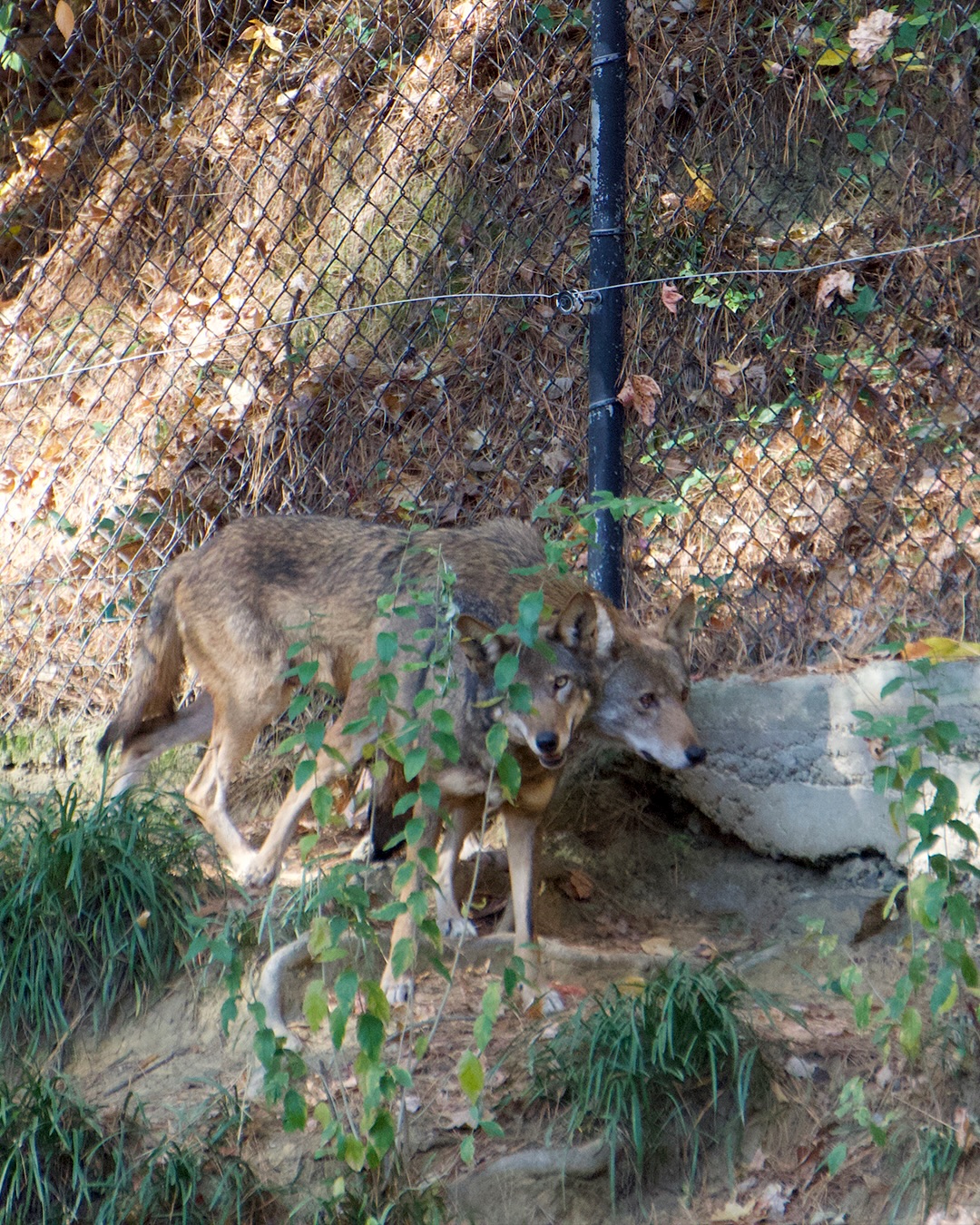
- The significance of Carolina and Jacques as a breeding pair for conservation efforts.
- The ecology and behavior of the critically endangered Red Wolves.
- The importance of public engagement in wildlife conservation.
- Challenges faced by Red Wolves in the wild and in captivity.
- How guests can support the conservation initiatives at the Museum.
The introduction of Carolina and Jacques into their new habitat marks an important step in the conservation of the critically endangered Red Wolves. This breeding pair is not only vital for genetic diversity but also serves as ambassadors for their species. Their presence in the sanctuary promotes awareness about the plight of Red Wolves, drawing attention to ongoing conservation efforts.
Red Wolves (Canis rufus) were once common across the southeastern United States. However, habitat loss, hunting, and interbreeding with coyotes have decimated their populations. By the late 20th century, these wolves were classified as the most endangered canid species in North America, with only an estimated 14 individuals left in the wild. Carolina and Jacques now serve as representatives of their species, symbolizing hope for their preservation. The critical role they play in breeding programs cannot be overstated, as their offspring help maintain genetic variation, which is crucial for the long-term survival of the species.
The behavior and ecology of Red Wolves showcase the intricate social structures and hunting techniques that define them. Red Wolves are social animals that live in family units, often consisting of a breeding pair and their offspring. They exhibit a range of vocalizations, including howls, barks, and yelps, to communicate with each other and establish territory. Their primary diet consists of small to medium-sized mammals, such as deer, rabbits, and raccoons, demonstrating their adaptability in varying habitats. As apex predators, they play a crucial role in maintaining the health of ecosystems by controlling prey populations.
Visitors to Explore the Wild have the opportunity to observe Carolina and Jacques in their new environment. It is important to approach this experience with respect and mindfulness, as these shy animals are still acclimating to their surroundings. Utilizing quiet voices and remaining calm can significantly reduce stress for the wolves, allowing them to exhibit more natural behaviors. This approach emphasizes the importance of respectful observation and can enhance the educational experience for guests, fostering greater empathy towards wildlife.
Public engagement is vital for successful wildlife conservation efforts. By becoming more informed about the challenges Red Wolves face, individuals can contribute meaningfully to their preservation. Donations to the Museum’s Annual Fund not only support efforts to maintain healthy breeding programs but also provide resources for habitat restoration and community education initiatives. Funds raised can help develop outreach programs that teach the public about the ecology and importance of Red Wolves while promoting understanding and stewardship among local communities.
Red Wolves also face numerous challenges in both the wild and captive settings. The survival of this species is threatened by a multitude of factors, including habitat fragmentation and competition with coyotes. As habitats become more developed, the available range for Red Wolves diminishes, leading to conflicts with humans over land use. In captivity, although many practices are in place to support their needs, significant challenges remain in replicating their natural behaviors and ensuring genetic diversity.
Educational programs at the Museum play a pivotal role in raising awareness about these issues. By informing the public on the ecological significance of Red Wolves and the threats they face, these programs can encourage greater community involvement. Engaging storytelling and informative presentations create emotional connections, motivating individuals to take an active role in conservation efforts.
Supporting Carolina and Jacques is crucial not only for the individual wolves but also for the future of their species. The conservation of Red Wolves directly reflects on broader ecological issues such as biodiversity, habitat preservation, and community involvement in environmental stewardship. Each individual has the opportunity to play a part in conservation, whether through donations, volunteering, or simply spreading awareness.
In summary, the introduction of Carolina and Jacques into the sanctuary is a promising development for the conservation of critically endangered Red Wolves. Their role in breeding programs enhances genetic diversity essential for the survival of the species. The ecology and behavior of these wolves reflect their significance within the ecosystem, highlighting their role as apex predators.
Engaging with the public effectively fosters a sense of responsibility towards wildlife conservation. Understanding the challenges faced by Red Wolves and participating in both awareness and financial support endeavors build a foundation that strengthens conservation efforts.
In contributing to the Museum’s initiatives, each person plays an integral role in ensuring that Carolina, Jacques, and their offspring can thrive. Through education and involvement, it becomes possible to secure a sustainable future for Red Wolves and contribute to the preservation of biodiversity as a whole. The journey of Carolina and Jacques is more than just a story about two wolves; it is a journey that encompasses the well-being of an entire species and the collective responsibility we hold for the environment.
*****
Source Description
Everyone, meet Carolina and Jacques! Carolina and Jacques, meet everyone! 🐺🧡
Our next breeding pair of critically endangered Red Wolves is here and has started settling into their new habitat. Explore the Wild is open to guests, but please be mindful of these shy animals and use quiet voices.
Looking for a way to support the Museum’s ongoing conservation efforts? Consider making a tax-deductible donation to our Annual Fund! Find out how at the link in our bio.
